In a significant diplomatic development, Egypt has officially reopened its embassy in Tripoli, the capital of Libya, after being closed for 12 years. This move marks a notable step forward in the relationship between the two neighboring countries, which share historical, cultural, and economic ties.
The closure of the Egyptian embassy in Libya had been a consequence of prolonged instability and conflict within Libya that erupted after the 2011 civil war and the overthrow of Muammar Gaddafi’s regime. The security challenges and political fragmentation in Libya made it difficult for countries, including Egypt, to maintain a diplomatic presence.
Reopening the embassy signals Egypt’s commitment to reengaging with Libya at a diplomatic level, aiming to support stabilization efforts and facilitate cooperation on various fronts such as security, trade, and bilateral relations.
Libya has experienced ongoing turmoil since the fall of Gaddafi, with rival governments and militias vying for control, leading to an unstable political landscape. The presence of regional and international actors complicates the situation further.
Egypt shares a long border with Libya and has a vested interest in the country’s stability to prevent spillover effects such as militant activity and illegal immigration. The reopening of the embassy is expected to enhance communication channels and coordination between the two governments.
Officials from both sides have expressed optimism about the prospects of strengthening bilateral ties. This diplomatic presence will also facilitate Egyptian investments and support for reconstruction efforts in Libya.
Moreover, the reestablishment of diplomatic relations may pave the way for improved cooperation on security matters, especially regarding the fight against terrorism and radical groups active in the region.
The Egyptian government highlighted that the embassy reopening aligns with its broader foreign policy goals to promote peace and stability in North Africa. This move has been welcomed by the international community, which encourages constructive partnerships to resolve the Libyan crisis.
Local media in Libya have covered the reopening extensively, noting the symbolic importance of restoring Egypt’s diplomatic mission amid hopes for renewed dialogue and collaboration.
The reopening of Egypt’s embassy in Tripoli reflects a positive shift in regional diplomacy and could contribute to a more stable and prosperous future for both nations. It is a clear message that Egypt seeks active involvement in shaping the path to Libya’s recovery after years of conflict and disruption.
This development may also encourage other countries that had reduced their diplomatic presence in Libya to reconsider their positions as the security situation gradually improves.
As Libya continues its efforts toward political reconciliation and rebuilding, Egypt’s renewed diplomatic engagement offers critical support and an enhanced platform for addressing shared challenges and opportunities.
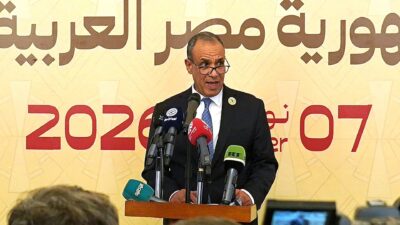
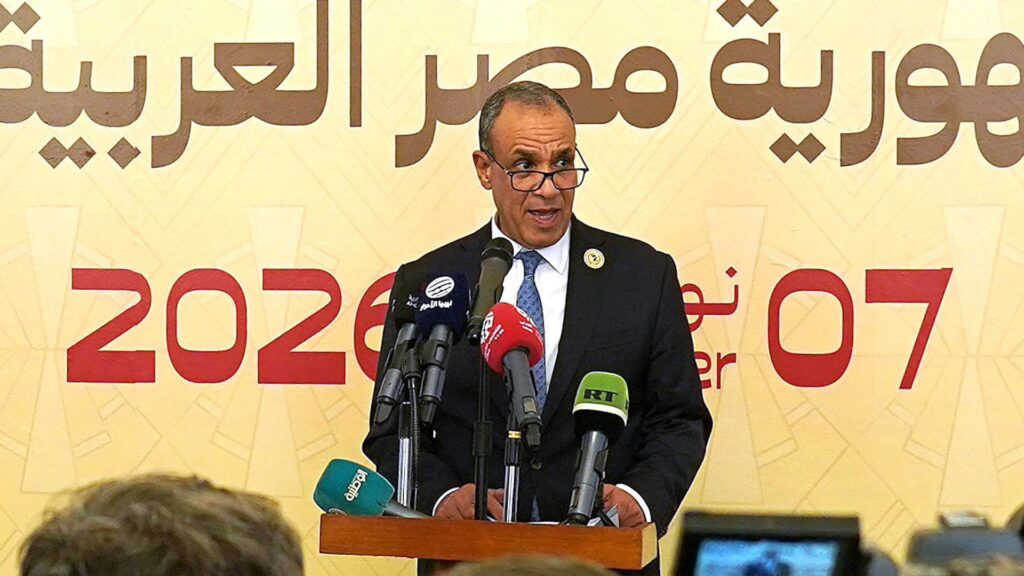
The reopening ceremony was attended by senior officials from both countries and marked by statements emphasizing mutual respect, cooperation, and the importance of unity in tackling regional issues.
Overall, the return of the Egyptian embassy to Tripoli after more than a decade symbolizes hope for a new chapter in Libyan-Egyptian relations, promising increased collaboration and a stronger diplomatic partnership moving forward.