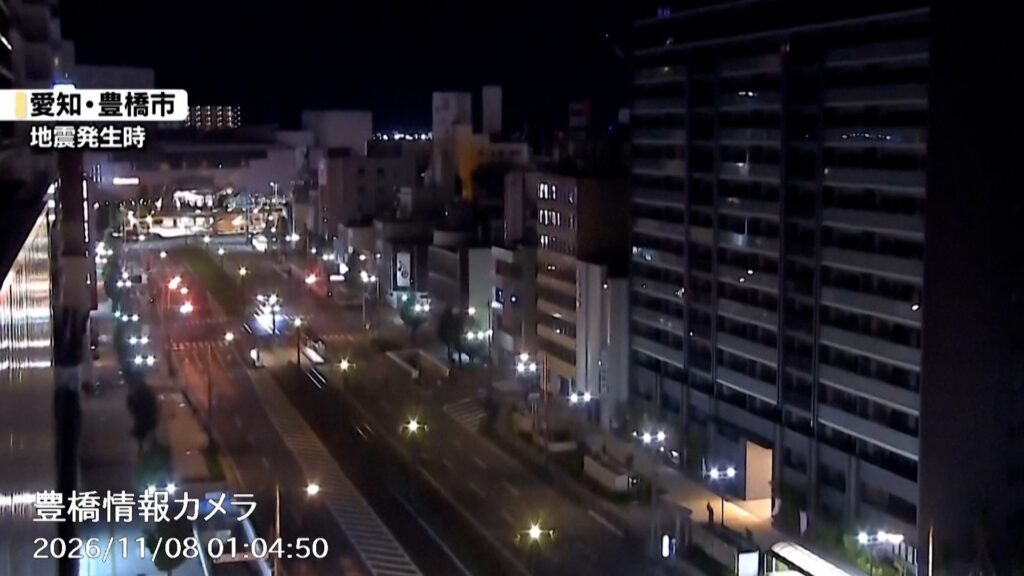
A significant seismic event struck central Japan, as a 5.7-magnitude earthquake rattled the region, causing widespread alarm and injuries. The earthquake’s tremors were strong enough to be captured vividly by CCTV cameras, showcasing streets violently shaking and the immediate aftermath of the natural disaster.
The quake occurred without warning, disrupting daily life and triggering emergency responses across the affected zones. More than 20 individuals have been reported injured, with local authorities rapidly mobilizing medical and rescue teams to assist those affected. Hospitals in the area have been placed on high alert to handle the influx of patients requiring urgent care.
This earthquake is part of Japan’s notorious seismic activity, as the country lies along the Pacific “Ring of Fire,” a hotspot for tectonic movements. The central region, known for its mixture of urban centers and mountainous terrain, felt the full brunt of the shaking, affecting infrastructure, homes, and public utilities.
CCTV footage released to the public shows streets trembling and objects swaying, highlighting the intensity of the quake. Residents were seen rushing out of buildings in panic, seeking open spaces to avoid potential aftershocks and structural collapses. Thankfully, initial reports suggest no major fatalities, but the situation remains fluid with ongoing assessments of damage.
Emergency services are conducting thorough inspections of critical infrastructure including bridges, roads, and railway systems to ensure safety and prevent further incidents. Authorities have urged residents to remain vigilant, prepare for possible aftershocks, and follow safety protocols.
This event underscores the importance of Japan’s rigorous earthquake preparedness programs involving early warning systems, building codes designed to withstand seismic forces, and public awareness campaigns. Despite these measures, the unpredictable nature of earthquakes demands constant readiness from both officials and the public.
As investigations continue, geologists and seismologists are analyzing the quake’s characteristics to better understand its origin and potential implications for future seismic activity in the region. The Japanese Meteorological Agency continues to monitor aftershocks and provides timely updates to ensure public safety.
Communities affected by the earthquake are rallying to support one another, with disaster relief organizations mobilizing resources to provide shelter, food, and medical assistance. Local governments are coordinating efforts to restore essential services and facilitate a swift recovery process.
This recent quake serves as a powerful reminder of Japan’s vulnerability to earthquakes and the importance of maintaining vigilance, resilience, and preparedness in the face of natural disasters. Authorities are committed to enhancing safety measures and ensuring the well-being of their citizens as the nation continues to recover from this unsettling event.