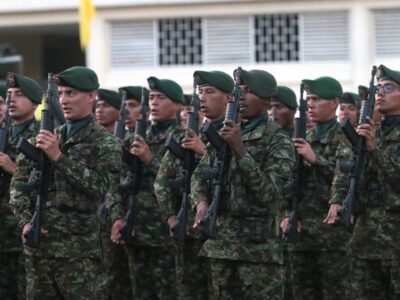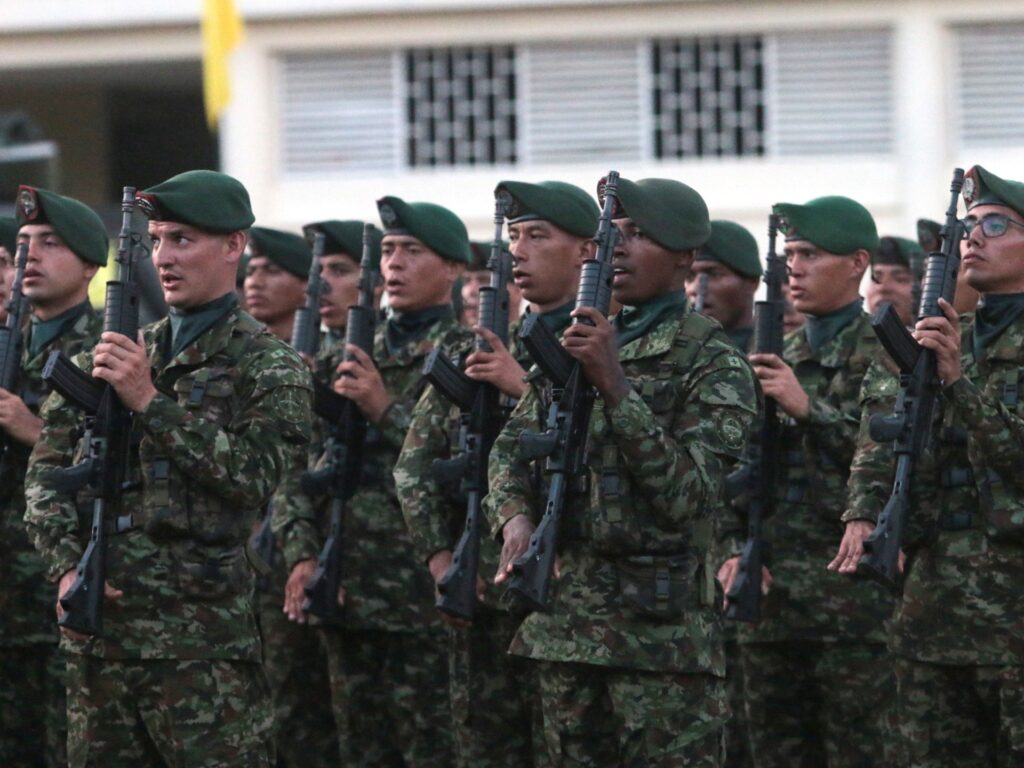
In a shocking and tragic incident, a drone attack on a Colombian army base in Santa Rosa del Sur has resulted in the deaths of three soldiers and injuries to sixteen others. The assault marks a significant escalation in the use of unmanned aerial vehicles in armed conflicts within the region, raising concerns about security and military preparedness.
The attack took place at a strategic military installation, where soldiers were stationed for operations against illegal armed groups and narcotrafficking networks that have long plagued Colombia’s internal stability.
Colombian President de la Espriella has condemned the attack in the strongest terms, declaring that those responsible will have ‘nowhere to hide.’ This statement underscores the government’s resolve to pursue justice and safeguard national security. The president’s remarks also signal an intensified effort to combat armed groups using sophisticated methods like drones, which have become a recent tool in asymmetric warfare.
Authorities have launched a thorough investigation to identify and apprehend the perpetrators behind the drone strike. Early reports suggest that the drones were remotely operated and likely modified for combat, indicating the growing sophistication of illegal armed groups operating within the country.
The use of drone technology in conflicts has added a complex layer to traditional warfare, presenting challenges for defense strategies that are not fully equipped to counter such attacks. Military experts have pointed out the need for enhanced radar systems and drone detection technologies to prevent future incidents.
The Colombian armed forces have since increased security measures around their bases, including restricted airspace and enhanced surveillance protocols, to deter similar attacks.
This attack is part of a broader pattern of violence coinciding with Colombia’s ongoing struggle against drug trafficking and guerrilla warfare, issues that have impacted the nation for decades.
Local communities in Santa Rosa del Sur have expressed deep concern and fear following the attack, calling for more protection and government support to ensure their safety.
The international community has also reacted with alarm, urging all parties to avoid actions that escalate violence and hinder the peace process in Colombia.
As investigations continue, the government reaffirms its commitment to restoring peace and stability, emphasizing that attacks on its forces will be met with decisive action.
The tragic loss of life and the injuries sustained highlight the human cost of Colombia’s ongoing conflicts and the evolving nature of threats faced by military personnel.
Efforts to address these challenges will require coordinated approaches involving technology, intelligence, and community engagement to secure a peaceful future.
The drone attack on the army base stands as a grim reminder of the changing face of warfare and the urgent need for adaptive strategies in national defense.