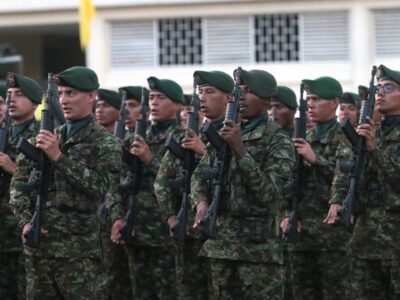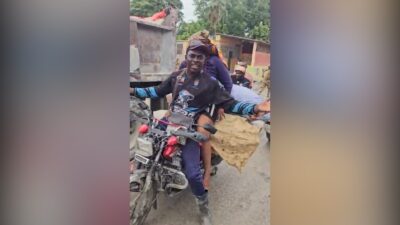
In a surprising turn of events in the ongoing gang warfare gripping the Haitian capital, some segments of the Haitian population have expressed support for El Salvador’s president, Nayib Bukele. Salvadoran troops have been deployed to assist in combating the rampant gang violence that has plagued Haiti’s largest city, resulting in widespread insecurity and fear.
Haiti’s capital has witnessed a surge in violent gang activity, leading to severe disruptions in daily life, economic activities, and public safety. The involvement of El Salvador, a country that has aggressively tackled similar gang problems under Bukele’s leadership, is seen by many locals as a beacon of hope for restoring order and peace.
President Bukele, known for his tough stance on gangs in El Salvador, has gained international attention for deploying streamlined, forceful measures to curb gang influence. His administration’s approach includes militarized police operations and legislative reforms aimed at dismantling criminal networks.
In recent weeks, Salvadoran troops arrived in Port-au-Prince to support Haitian security forces under a multilateral initiative aimed at stabilizing the region. While the joint operation faces numerous challenges, initial reactions from sections of the Haitian population have been positive, with cheers and public displays of support for the foreign troops’ presence.
The deployment signifies an unprecedented regional cooperation to tackle transnational crime affecting Central America and the Caribbean. Haitians’ support for Bukele’s strategy underscores the desperation felt by communities ravaged by ongoing violence and their readiness to embrace strong external intervention.
Critics, however, caution against military involvement from foreign troops, citing concerns about sovereignty and the potential for human rights abuses. Nonetheless, the partnership reflects a critical attempt to restore security in a city where gangs have established quasi-state control over neighborhoods.
The collaboration between Haiti and El Salvador, facilitated by international partners, aims not only at immediate security improvements but also at laying the groundwork for long-term stability and governance reforms.
As the situation evolves, the support of Haitians for El Salvador’s Bukele and his troops highlights the complex dynamics between local communities and international actors in conflict resolution. It also opens discussions on the efficacy and ethics of deploying foreign military forces in domestic security crises.
Overall, the deployment of Salvadoran troops serves as a testament to Bukele’s growing influence in regional security matters and illustrates Haiti’s urgent need for effective solutions to its gang crisis. With hope and skepticism coexisting among the Haitian people, the coming months will be crucial in determining the success of this international security partnership.