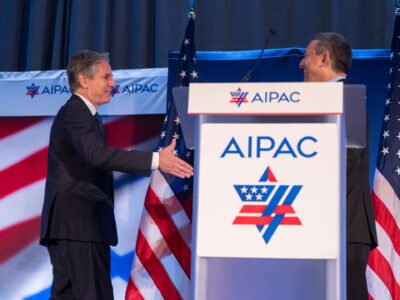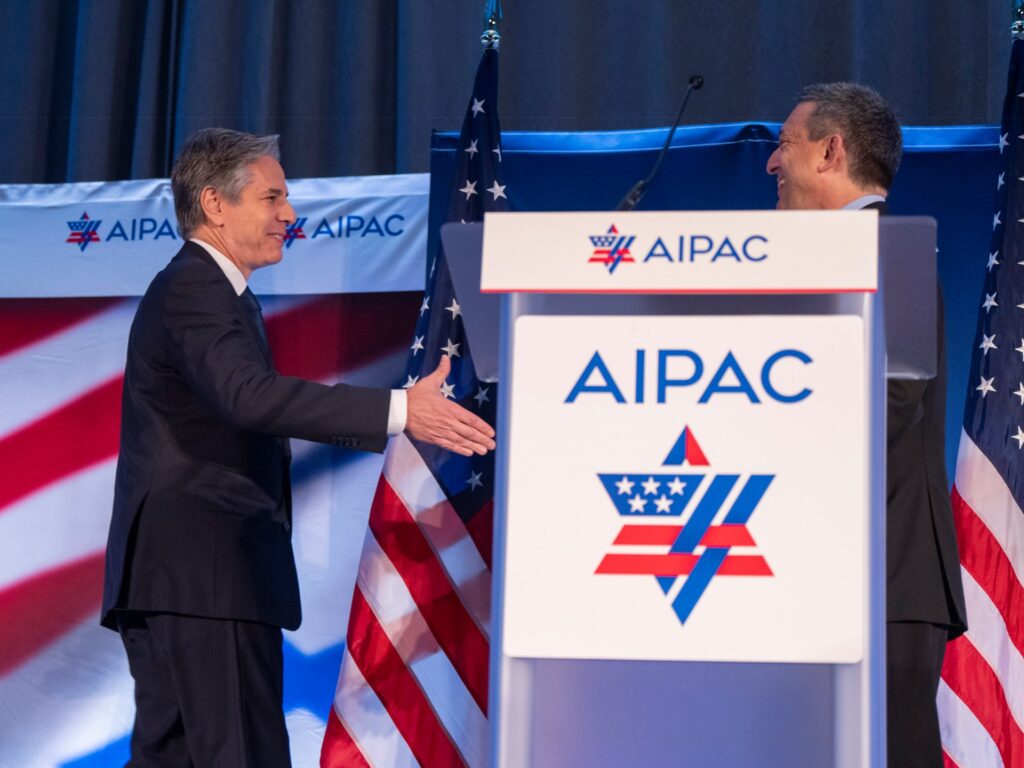
In the recent US midterm elections, candidates backed by the American Israel Public Affairs Committee (AIPAC) experienced a mixed outcome. While many of the pro-Israel group’s endorsed candidates secured victories, the overall financial impact of AIPAC’s campaign spending paints a more complex picture. Despite significant financial investment, much of the money spent by AIPAC was directed toward candidates who ultimately lost their races.
AIPAC, known for its influential role in American politics in support of Israel, strategically backed numerous candidates across the country. The organization’s endorsements and campaign contributions are highly sought after by politicians aiming to demonstrate strong ties to Israel-related interests. However, this election cycle demonstrated the unpredictable nature of political races and electoral dynamics.
Several high-profile candidates endorsed by AIPAC secured their seats, reinforcing the organization’s continued influence and the effectiveness of its support in targeted areas. These wins help maintain AIPAC’s status as a powerful advocacy group within US political discourse, ensuring that pro-Israel policies and alliances remain prominent in legislative discussions.
Conversely, the majority of AIPAC’s financial spending was allocated to candidates who lost their contests. This outcome highlights the challenges faced by political action committees (PACs) in guaranteeing electoral success, even with considerable financial backing. The reasons for these losses vary, including shifting voter sentiments, local issues, and broader national trends that sometimes overshadow single-interest group endorsements.
The mixed results of AIPAC-backed candidacies underline the complexities of US electoral politics, where money and endorsements, while influential, do not guarantee victory. These outcomes may prompt AIPAC and similar organizations to reassess their strategies and focus areas in future elections to maximize their impact.
Ultimately, while AIPAC continues to be a key player in shaping US-Israel relations through political means, this midterm election cycle serves as a reminder of the inherent uncertainties in democratic elections and the limits of financial influence. Both the victories and losses experienced by AIPAC-backed candidates will likely influence the organization’s approach moving forward, as it seeks to maintain and strengthen its political foothold amid evolving political landscapes.