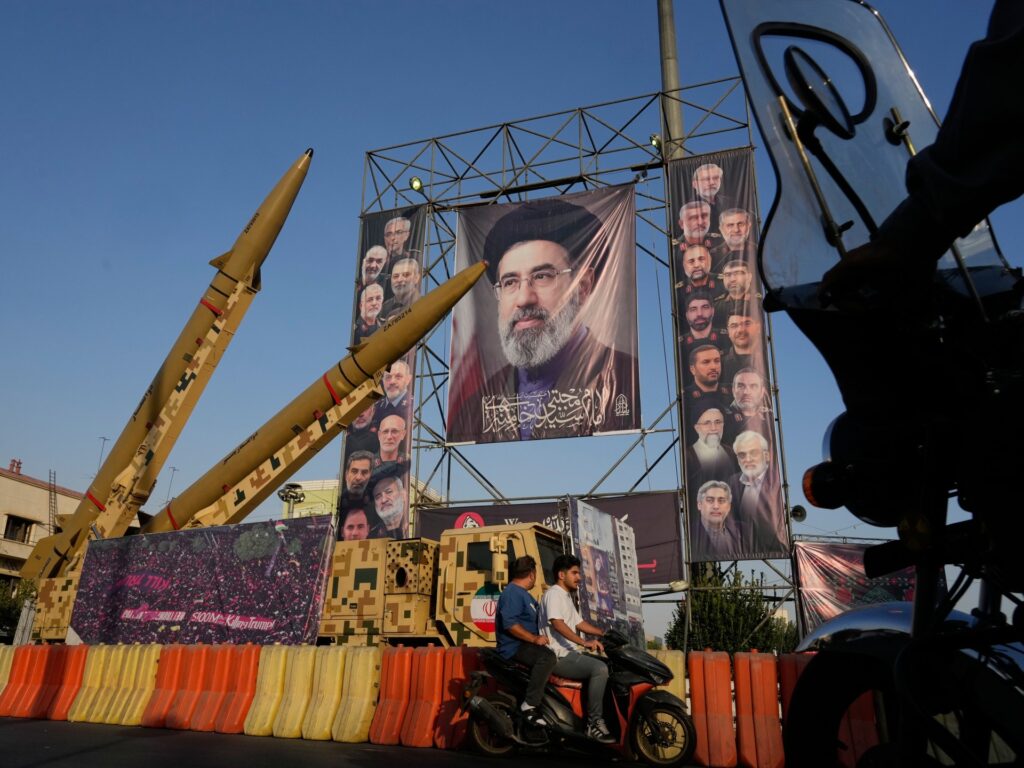
The Islamic Revolutionary Guard Corps (IRGC) of Iran has announced the construction of underground sites dedicated to weapons production and storage. This strategic move aims to enhance the country’s military capabilities by protecting critical missile manufacturing and storage facilities from potential attacks.
According to IRGC officials, these underground military complexes are designed to ensure continuity in missile production even under heavy bombardment scenarios. This development highlights Iran’s focus on bolstering its defense infrastructure to withstand substantial military pressure.
The underground complexes serve as a shield against aerial or missile strikes, safeguarding vital assets and technologies crucial for Iran’s defense industry. By moving production and storage underground, Iran aims to reduce vulnerabilities and enhance the survivability of its missile systems.
This initiative comes amid ongoing regional tensions and international scrutiny over Iran’s missile program. The IRGC’s statement emphasizes their commitment to advancing missile technology and maintaining the production capabilities despite any external threats.
Experts suggest that such underground facilities significantly improve Iran’s strategic depth by making it more difficult for adversaries to neutralize Iran’s missile capabilities swiftly in a military confrontation. The ability to produce and store missiles safely can provide Iran with a significant tactical advantage in any potential conflict.
The IRGC has not disclosed the exact locations of these underground complexes but stresses their importance in maintaining the operational readiness and resilience of its missile forces.
This move also reflects a broader trend among countries focusing on hardening critical military infrastructure to counter modern precision strikes. Similar strategies have been observed in other nations aiming to preserve their military industries under threat of aerial bombardment.
International responses to Iran’s underground military infrastructure development have been cautious. While some view it as a defensive measure, others worry it could escalate regional arms races and tensions.
In conclusion, the IRGC’s development of underground sites for missile production and storage marks a significant enhancement in Iran’s military infrastructure. It underscores Tehran’s strategy to protect its strategic assets and maintain missile production capabilities in the face of potential military conflicts, suggesting an increased focus on defense resilience and strategic deterrence.