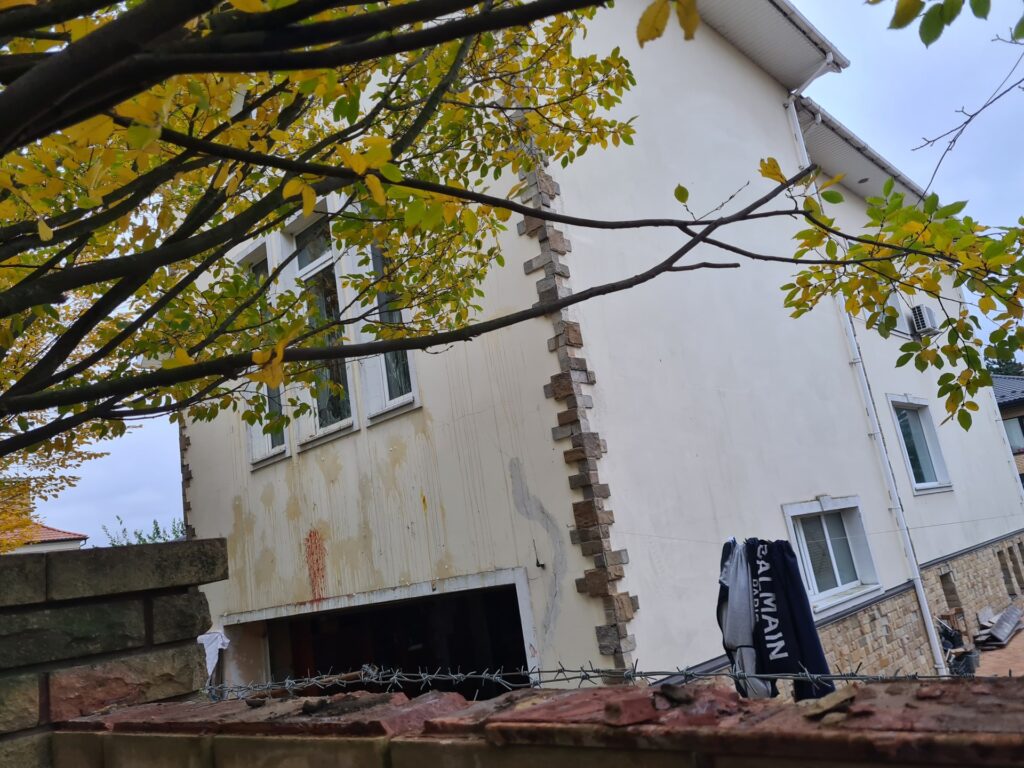
Recently, a disturbing video surfaced online claiming that a ‘torture chamber’ existed in Ukraine where men evading the military draft were violently assaulted. The video quickly went viral, igniting outrage and concern internationally regarding human rights abuses in the context of Ukraine’s ongoing conflict. The footage and accompanying claims suggested that men avoiding conscription were being systematically tortured and detained in a private residence. However, investigations by Ukrainian authorities have revealed that these sensational allegations were fabricated. The woman who made the accusations was arrested for spreading false information, which rekindled misinformation and panic among the public.
According to official reports, the address shown in the viral video was inspected thoroughly, but no signs of a torture chamber, systematic abuse, or illegal detainment were found. The police confirmed that the woman who posted the video was the owner of the house where the alleged events were said to have taken place. It was uncovered that the narrative was part of a personal motive and had no basis in reality.
This incident highlights the challenges Ukraine faces in combatting misinformation and propaganda, especially during times of conflict when emotions run high and the flow of reliable information is crucial. The viral nature of the claims shed light on the potency of social media in spreading unverified stories that can lead to misunderstandings and social unrest.
Human rights organizations in Ukraine have also condemned the misuse of claims related to torture and abuse because such falsehoods detract from genuine cases and undermine efforts to address actual human rights violations in the region.
The Ukrainian government reaffirmed its commitment to transparency and the rule of law, emphasizing that all reports of abuse will be investigated thoroughly and truthfully. They urged the public to rely on confirmed sources and to be cautious of sensational content that may be designed to mislead or destabilize public trust.
This event serves as a reminder of the ongoing need for media literacy and critical evaluation of information, especially during conflict situations where misinformation can spread rapidly. It also underlines the importance of careful and responsible reporting from individuals, media outlets, and social platforms to prevent harm caused by false accusations.
Authorities continue to monitor social media channels vigilantly to quickly identify and address misinformation. They also encourage citizens to report suspicious content to help maintain accurate public discourse. The arrest of the woman who fabricated claims about the torture chamber reflects the serious consequences of spreading harmful falsehoods.
In summary, the viral claims of a Ukrainian ‘torture chamber’ targeting draft evaders were proven false. The woman behind the accusations has been detained for misleading the public. Ukrainian authorities and human rights groups emphasize the importance of truth and caution against the damage caused by false information during ongoing national challenges.