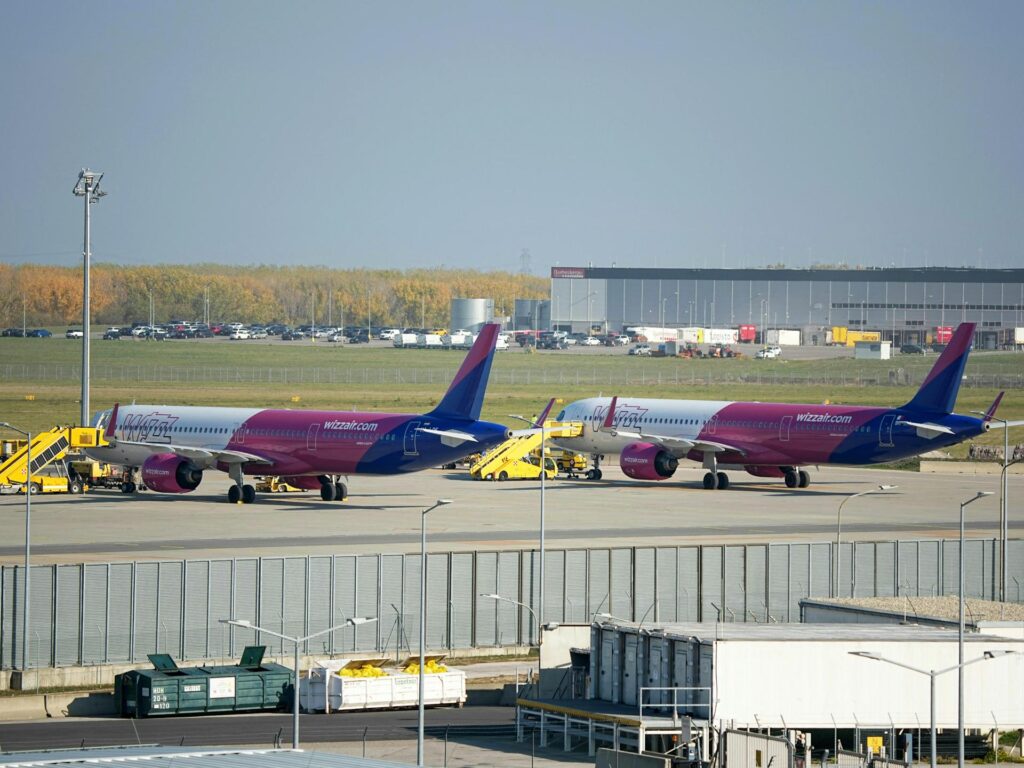
Europe this week has witnessed a disturbing surge in bomb threats, with hoax alerts targeting both air traffic and newsrooms. Initially, these threats led to significant disruptions in air travel, causing flight diversions across several countries. However, the alarming trend has now expanded to include European broadcasters, raising concerns about the security and safety of media professionals and infrastructures.
The series of false alerts began early in the week, primarily focusing on airports and airplanes, compelling authorities to take precautionary measures that resulted in rerouting flights and evacuating terminals. These interventions, while necessary for safety, have disrupted schedules and inconvenienced thousands of passengers across the continent.
As the incidents unfolded, it became apparent that the scope of the threats was widening. News organizations, vital for informing the public, found themselves targeted by similar bomb threat alerts. This new development has heightened fears of coordinated attempts to destabilize public communication channels and create widespread panic.
Security agencies across Europe are rigorously investigating the origins of these hoax threats, collaborating closely with airport authorities, law enforcement, and media houses to implement robust safety protocols. Enhanced screening measures and emergency response plans have been deployed to mitigate risk and reassure the public.
Experts suggest that these threats, though false, underline vulnerabilities in critical infrastructure and the potential for malicious actors to exploit them. Media outlets are being urged to review their security arrangements, while airlines are strengthening their contingency plans for such emergencies.
The authorities emphasize that the public should remain calm and vigilant, reporting any suspicious activity to ensure swift responses. They also stress the importance of not spreading unverified information, which could exacerbate the situation.
This wave of hoax bomb threats poses significant challenges but also serves as a wake-up call for improving cooperation among transport operators, broadcasters, and security services. As investigations continue, European nations remain committed to safeguarding their citizens and maintaining the integrity of essential services amid these troubling developments.