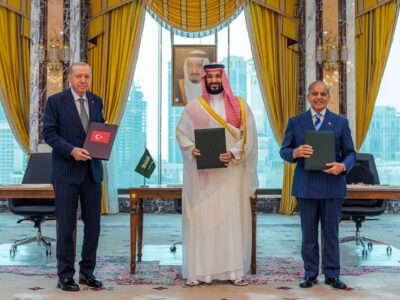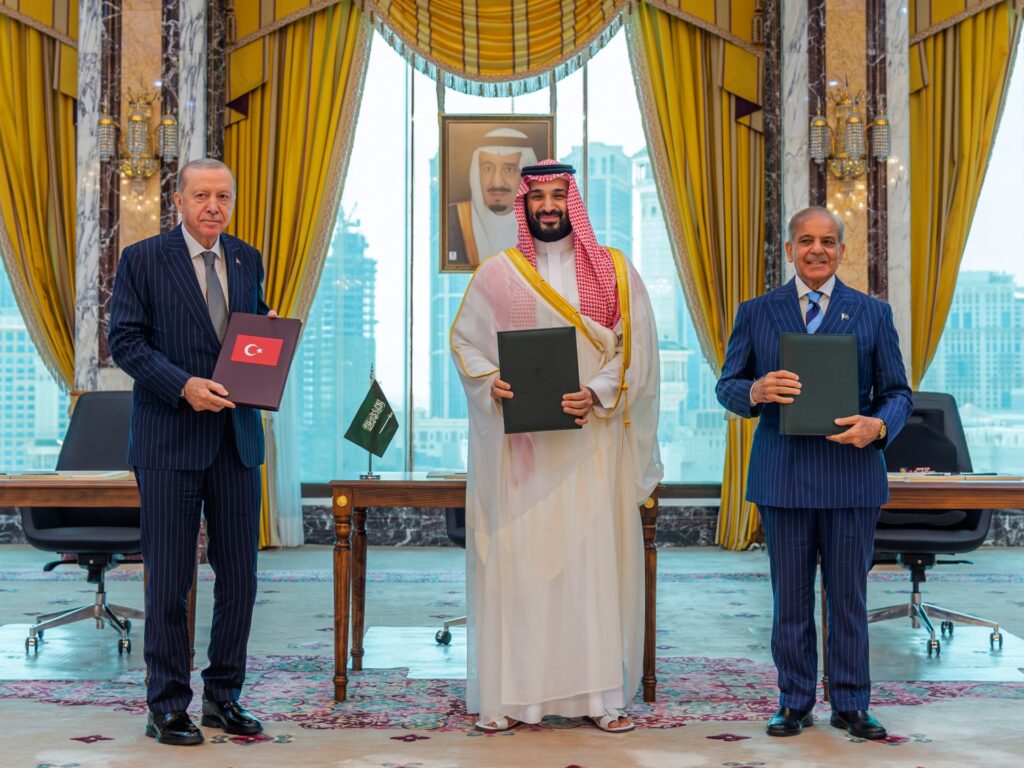
Turkey’s parliament has formally ratified the Mecca Defence Agreement, marking a significant step toward deeper Turkish engagement in the ongoing conflict between Saudi Arabia and the Houthi movement in Yemen. This parliamentary approval provides the legal and political foundation for Turkey to play a more active role alongside Saudi Arabia in countering the Houthi rebellion.
The Mecca Defence Agreement originally emerged as a cooperative security framework aimed at addressing common threats in the region, especially the instability caused by the Yemeni civil war that has drawn in numerous regional actors. By ratifying the agreement, Turkey underscores its commitment to strengthening ties with Saudi Arabia and contributing to regional stability through military and strategic cooperation.
Turkey’s involvement in the conflict aligns with its broader foreign policy objectives of expanding influence in the Middle East and supporting key regional allies. While Ankara has traditionally focused on diplomatic and humanitarian efforts, the parliamentary vote now allows for enhanced military coordination, intelligence sharing, and logistical support to Saudi-led operations against Houthi forces.
Saudi Arabia, embroiled in a protracted and complex conflict since 2015, views the Houthis as an Iranian proxy threatening its southern borders and regional dominance. Turkish participation is seen as a boost to the Saudi coalition’s capabilities, signaling increased unity among Sunni-majority countries countering Iranian-backed groups.
Critics of the agreement caution that Turkish military engagement could lead to an escalation in the conflict, potentially drawing Turkey deeper into a multifaceted regional war with unpredictable consequences. Moreover, there are concerns about civilian casualties and the humanitarian crisis in Yemen worsening as hostilities intensify.
Supporters argue that the Mecca Defence Agreement facilitates a collective security approach necessary to curb the influence of armed non-state actors destabilizing the Arabian Peninsula. They highlight the importance of united regional action in restoring peace and security while addressing the Houthi insurgency’s roots.
The parliamentary ratification follows months of negotiations and diplomatic outreach, reflecting Ankara’s strategic priorities and the evolving geopolitical landscape of the Middle East. Observers note that Turkey’s increased involvement may shift the balance of power in the region and influence future peace negotiations.
In the coming months, Turkey is expected to deploy additional military assets and personnel to support Saudi-led operations. This might involve joint training exercises, enhanced border security mechanisms, and coordination of intelligence efforts targeting Houthi command centers and supply routes.
The Mecca Defence Agreement ratification represents a turning point in Turkish foreign policy, indicating a readiness to play a more assertive role in regional security matters. For Saudi Arabia, the partnership offers critical reinforcement amid protracted warfare and ongoing efforts to broker peace.
As the situation develops, international actors and human rights organizations will closely monitor the impact of Turkish involvement, emphasizing the need for adherence to international humanitarian law and protection of civilian populations.
Overall, Turkey’s parliamentary approval of the Mecca Defence Agreement symbolizes a new chapter in Middle Eastern geopolitics, underscoring the complex interplay of alliances, security concerns, and regional ambitions shaping the Yemeni conflict and beyond.