In a candid reflection on recent political events, former President Donald Trump has acknowledged that the war involving Iran was a significant factor in the Republican Party’s sweeping losses in the recent US elections. Despite this admission, Trump defended his decision, asserting that the military action was necessary.
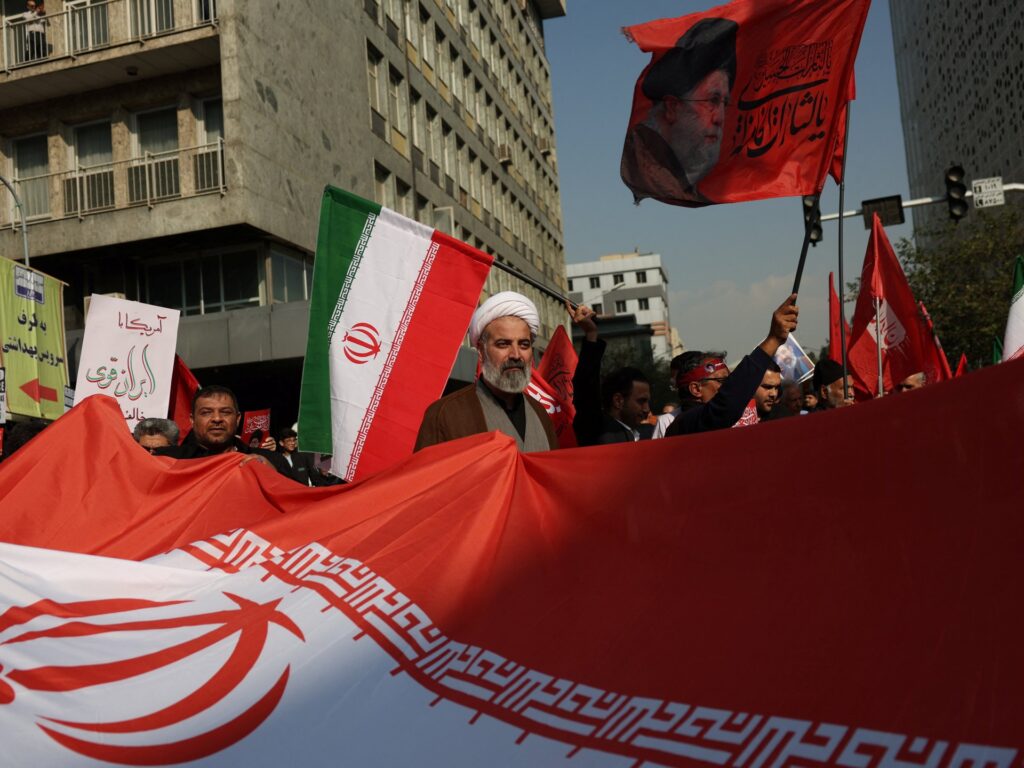
Trump’s comments came as he addressed the ramifications of the conflict with Iran, which has been a contentious issue both domestically and internationally. The military engagement, initiated during his administration, escalated tensions in the Middle East and drew widespread attention.
The former president conceded that the war “largely” contributed to the Republicans’ wipeout in several key electoral races. However, he emphasized that the circumstances surrounding the conflict left him little choice but to proceed, underscoring his belief that the action was required to protect national interests.
Political analysts have linked the war’s impact to voter dissatisfaction, noting that the military conflict may have influenced public opinion and turnout. The Republican Party’s losses in the House and Senate were seen by many as a referendum on the administration’s foreign policy decisions, including this significant conflict.
Critics of the war argued that it escalated regional instability and diverted focus from domestic issues, thereby alienating some voters. Supporters, however, argue that the action was justified in response to threats and was necessary for national security.
Trump’s admission marks a rare acknowledgment of the war’s effect on electoral politics. Historically, presidents have often defended military engagements as vital, even when they bear political costs. This statement reinforces Trump’s stance of prioritizing security decisions over electoral considerations.
The Iran war, which involved targeted strikes and heightened military presence, has remained a polarizing topic in American political discourse. Its consequences continue to influence debates on foreign policy, military strategy, and electoral outcomes.
Despite the setbacks, Trump remains unrepentant about the course of action, indicating a willingness to stand by tough decisions amidst political fallout. This reveals the complex interplay between governance, military strategy, and electoral dynamics.
Looking forward, the Republican Party faces the challenge of regrouping and addressing voter concerns that stemmed from the war and other contentious issues. The party’s strategy will likely need to balance foreign policy implications with domestic priorities to regain electoral strength.
In conclusion, Trump’s admission sheds light on the profound impact foreign military conflicts can have on domestic politics. While controversial, such decisions underscore the difficult choices leaders make in pursuit of national security, often at the expense of political capital.