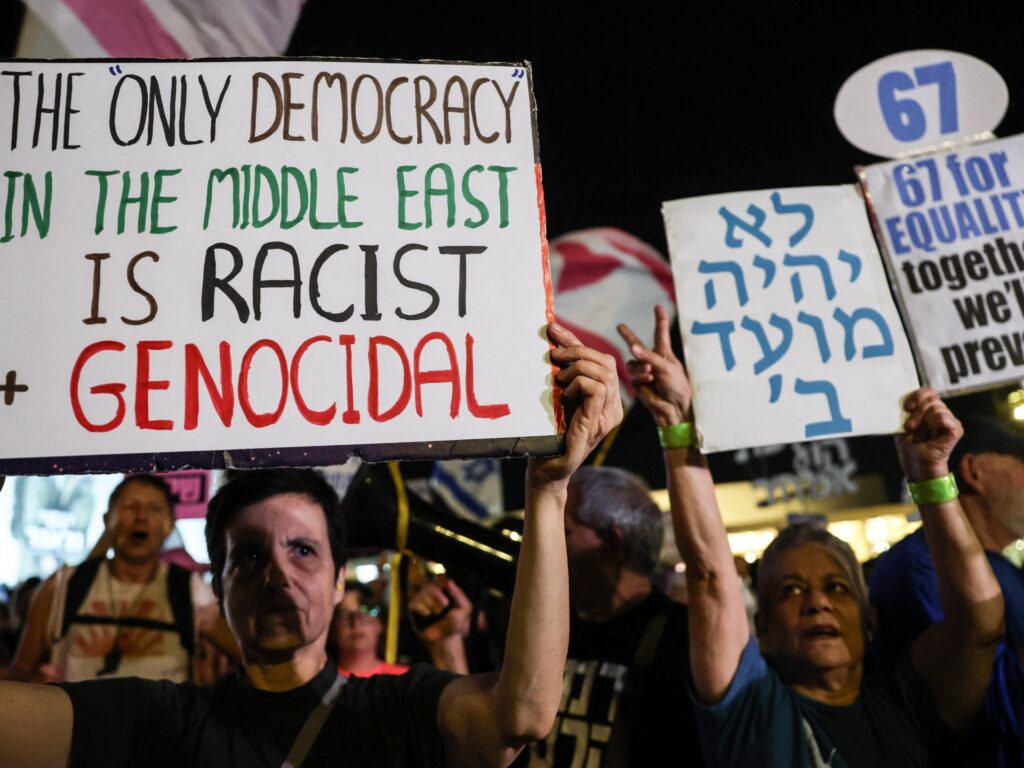
In a significant political development, Palestinian-led parties in Israel have achieved a record number of parliamentary seats in recent elections. This unprecedented success marks a milestone for Palestinian citizens of Israel, who have long sought greater representation and voice within the political system. However, this electoral victory has unfortunately been met with a wave of intimidation and backlash.
The Palestinian-led parties’ achievement has galvanized hope among their supporters, symbolizing progress toward equality and recognition in Israeli politics. These parties advocate for the rights and interests of Palestinian citizens in Israel, addressing critical issues such as civil rights, social justice, and equality in state institutions.
Despite the democratic nature of their electoral success, these parties now face targeted intimidation campaigns aimed at undermining their legitimacy and discouraging their political activity. Reports indicate increased instances of threats, verbal assaults, and organized campaigns to discredit these parties and their elected representatives. Such hostility not only affects the politicians but also their communities, who may feel vulnerable amid rising tensions.
This intimidation campaign reflects broader societal challenges surrounding the Israeli-Palestinian conflict and the status of Palestinian citizens within Israel. While Israel is a democracy, the political environment remains deeply polarized, and Palestinian citizens often confront systemic barriers and discrimination.
Human rights organizations and international observers have expressed concern about the intimidation tactics, calling for the protection of democratic freedoms and the right to political participation. They emphasize the importance of safeguarding pluralism and ensuring that all communities can exercise their electoral rights without fear or coercion.
The situation underscores the delicate balance within Israel’s political landscape, where issues of identity, minority rights, and national security intersect in complex ways. The success of the Palestinian-led parties demonstrates a push toward greater inclusion, but the resistance they face signals ongoing challenges.
Political analysts suggest that the intimidation campaigns could backfire, potentially increasing solidarity and support for Palestinian representatives. However, sustained efforts will be needed to foster dialogue, mutual respect, and coexistence.
In conclusion, the recent electoral victories of Palestinian-led parties in Israel mark a historic moment for political representation. Yet, the subsequent intimidation campaign highlights the persistent obstacles Palestinian citizens face in securing equal political participation. The path forward requires commitment from all sides to uphold democratic principles and human rights, ensuring that electoral success translates into meaningful and lasting change for Palestinian citizens in Israel.