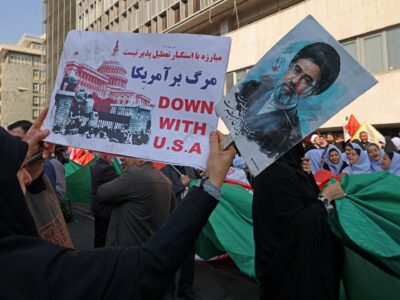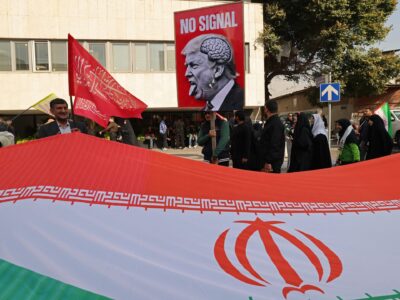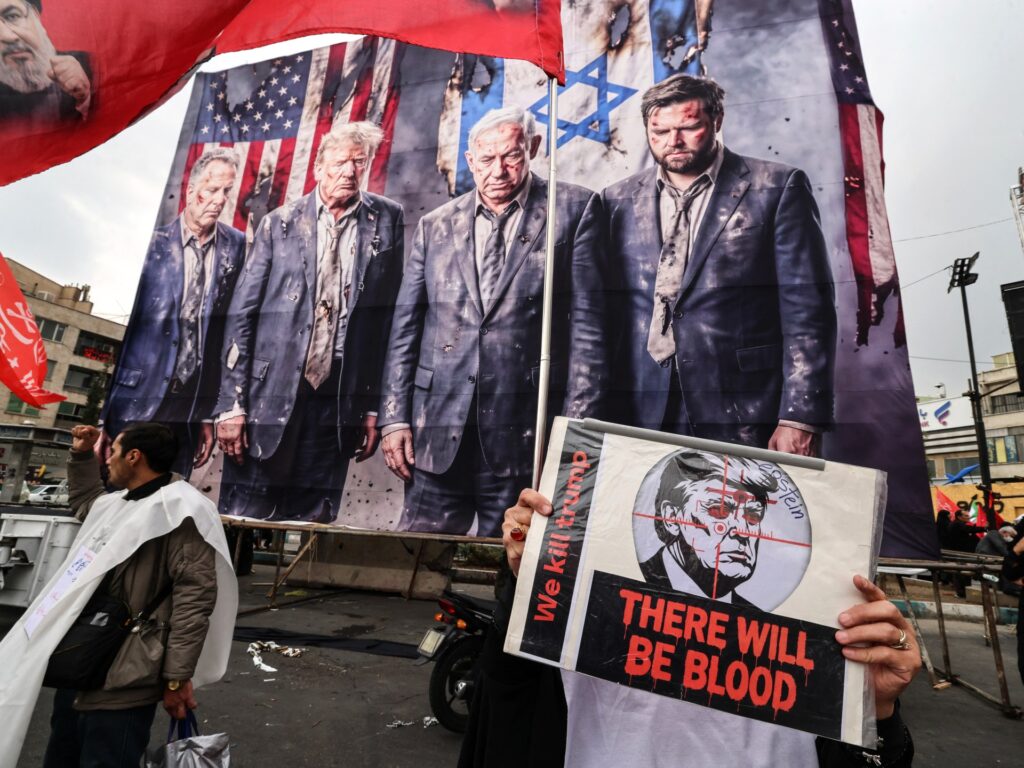
The recent US midterm elections have elicited a notable response from Iranian leaders, who view the results as a clear indication of American frustration with the previous administration’s foreign policy, particularly former President Donald Trump’s aggressive stance towards Iran. Analysts and officials in Tehran interpret these outcomes as a rejection of what they describe as Trump’s ‘war on Iran.’
Iran’s political establishment has been closely monitoring the US political landscape, especially given the high stakes involved in US-Iran relations. The midterm results, which have shifted dynamics in Congress, are seen by Tehran as reflective of a broader American sentiment that favors de-escalation and diplomacy over confrontation.
Despite this optimistic reception in Iran, experts caution that Trump, known for his unpredictable and often confrontational rhetoric, may still launch political or rhetorical attacks. This unpredictability continues to pose challenges for Iranian diplomats and policymakers who must prepare for potential escalations regardless of the domestic shifts in the US political arena.
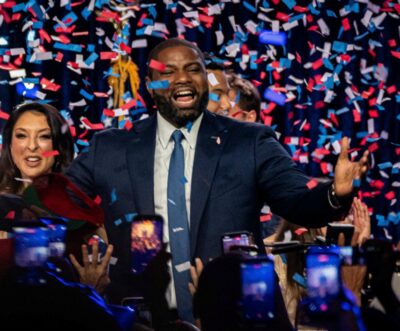
The midterms have resulted in a divided Congress, with gains for both Democrats and Republicans. This division is perceived in Tehran as a sign that the American public, and by extension its representatives, are weary of foreign entanglements and costly conflicts abroad. Iranian state media and officials have underscored that the election outcomes could pave the way for renewed diplomatic engagement and potentially a recalibration of US policy towards Iran.
However, the possibility of Trump continuing his hardline approach cannot be discounted. His persistent influence within the Republican party and among certain segments of the American electorate suggests that Iran’s geopolitical environment will remain complex.
Iranian leaders are thus adopting a cautious optimism. They recognize the potential for improved relations but remain vigilant. The uncertainty surrounding Trump’s future actions means Tehran is prepared for a range of scenarios, including increased tensions.
This nuanced stance highlights Iran’s strategic balancing act in a volatile international context. While welcoming the midterms as an indication of change, Iranian officials are not abandoning the realism necessary in their foreign policy.
The midterm elections serve as a pivotal moment in US-Iran relations, offering both challenges and opportunities. Tehran’s reception of the results underscores its preference for a less confrontational US approach, while the lingering possibility of destabilizing moves by Trump or his supporters ensures that diplomatic efforts will continue to be fraught with uncertainty.
In summary, Iranian leaders have publicly welcomed the US midterm election results as a rejection of Trump’s aggressive policies, suggesting an American desire for change in foreign policy. Yet, they remain cautious and prepared for the potential of renewed hostilities, underscoring the complex and ongoing nature of US-Iran relations in this new political chapter.