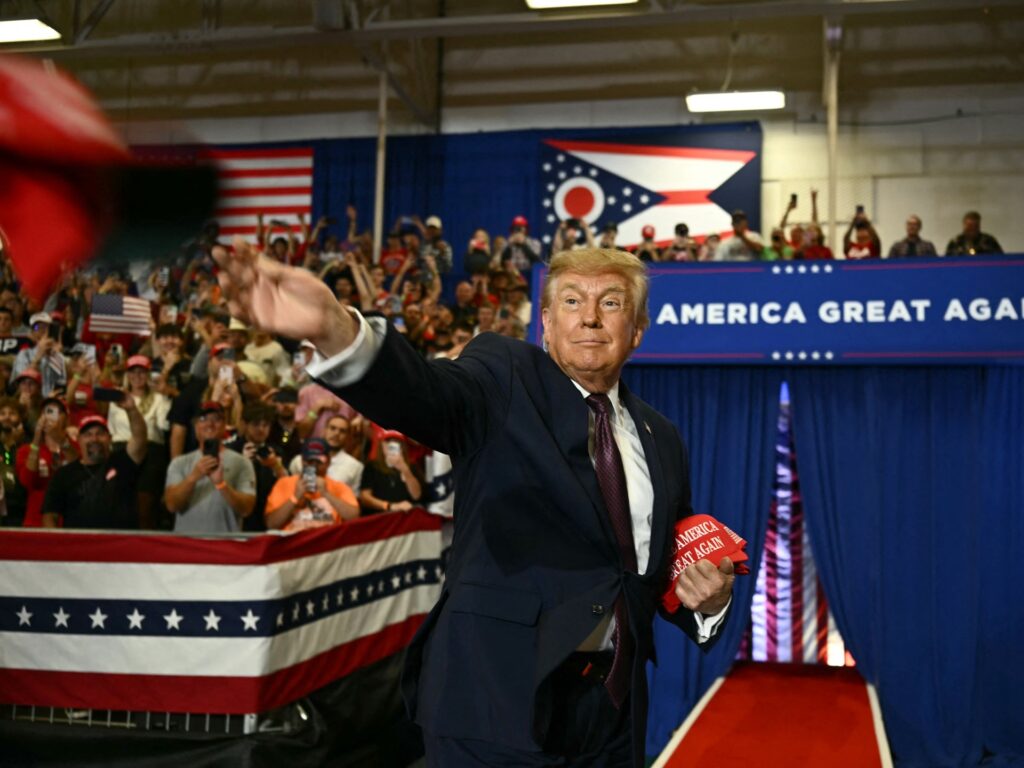
The recent midterm elections saw a significant shift in the United States Congress, with the President’s party losing control of both the House of Representatives and the Senate. This outcome has sparked discussions and speculations about whether the President has become a “lame duck.” The term “lame duck” typically refers to an elected official who is approaching the end of their tenure, often with diminished power and influence, especially in legislative affairs.
Losing both houses of Congress undoubtedly poses challenges for the President. Without the majority, passing legislation aligned with the President’s agenda becomes more difficult. The opposition gains greater leverage to block bills, conduct oversight, and influence policy directions. This dynamic can hinder the administration’s ability to enact new laws or make significant changes through Congress.
However, labeling the President as a “lame duck” solely based on legislative losses overlooks the scope and strength of executive powers vested in the office. The President retains substantial authority to issue executive orders, manage federal agencies, and influence foreign policy without direct congressional approval. These powers allow the President to push forward key initiatives and respond swiftly to emerging issues.
Moreover, the President can leverage the executive branch’s vast resources to advocate for policy priorities, mobilize public opinion, and engage with international partners. Presidential nominations, appointments, and veto powers remain intact, providing avenues to shape government operations and policy outcomes.
Historical examples illustrate that Presidents can retain significant influence despite facing congressional opposition. Through strategic use of executive authority and public engagement, a President can continue to drive their agenda and achieve policy goals.
In conclusion, while losing both houses of Congress limits the President’s legislative effectiveness, it does not render the office powerless. The President remains a central figure in American governance with strong executive tools at their disposal. Therefore, calling the President a “lame duck” at this stage may be premature and oversimplifies the complex balance of powers in the U.S. political system.