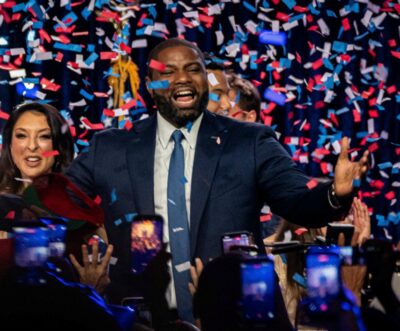
The recent US midterm elections have resulted in a significant political shift, as Democrats have made historic gains and taken control of Congress from President Donald Trump and the Republican Party. This outcome marks a major setback for Trump’s administration and signals a new dynamic in American politics.
The Democrats’ victory in these midterms is seen as a response to various policies and controversies during Trump’s presidency. Voter turnout was notably high for a midterm election, reflecting widespread public engagement and concern about the direction of the country.
In the House of Representatives, Democrats secured a majority, enabling them to set the legislative agenda and influence government oversight more effectively. This shift will likely lead to increased scrutiny of the Trump administration’s actions and potentially hinder or slow down the President’s policy proposals.
The Senate results were more mixed, but several key races favored Democratic candidates, adding to their overall power in Congress. While Republicans managed to hold on to the Senate by maintaining a slim majority, the increased Democratic presence has already altered the balance of power.
Experts suggest that the Democrats’ success can be attributed to a combination of grassroots mobilization, strategic campaigning, and changing demographics. Suburban areas, which were critical battlegrounds, showed strong support for Democratic candidates, reflecting a shift in voter sentiment.
President Trump reacted to the midterm results with a mix of defiance and calls for unity among Republicans. Nonetheless, political analysts note that the loss of congressional control will challenge the President’s ability to advance his agenda and may lead to more intense partisan battles in Washington.
This new congressional landscape is expected to impact major legislative efforts, including healthcare, immigration, and tax policies. Democrats have promised to focus on accountability and pushing back against what they describe as divisive and controversial policies enacted by the Trump administration.
The midterm elections serve as a reminder of the dynamic nature of American democracy and the power of voters to influence government direction. As both parties regroup and strategize for future elections, the coming months will be critical in determining the political trajectory of the United States.
In summary, the Democrats’ historic gains in the US midterms represent a turning point that challenges President Donald Trump’s control of Congress, promising a period of increased oversight, legislative negotiation, and a redefined political landscape in Washington.