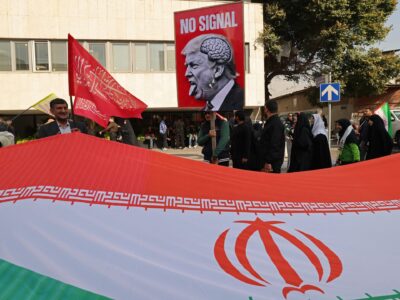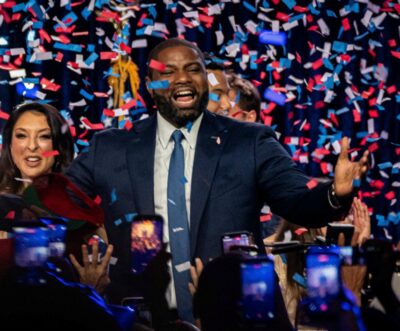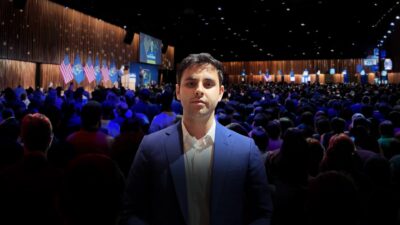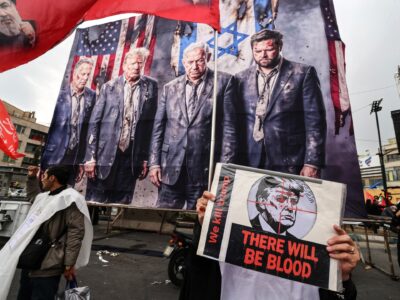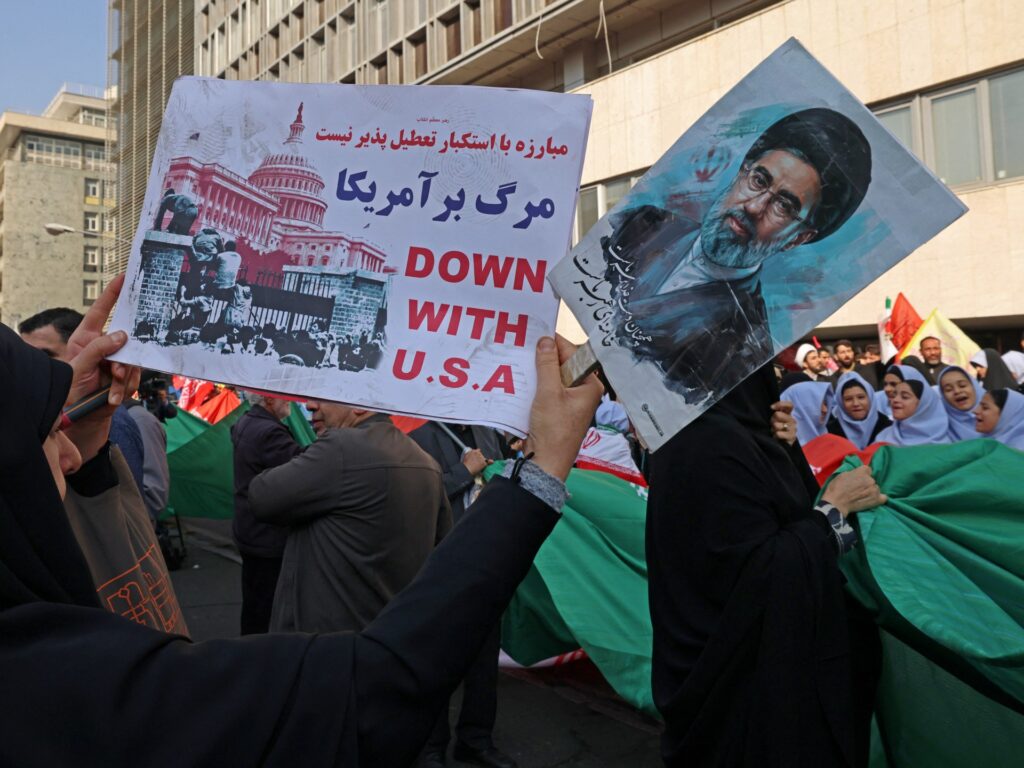
The recent US midterm elections have provoked a range of reactions worldwide, with Iran being one of the most vocal countries responding to the outcomes. Iranian officials have expressed approval of the election results, particularly viewing the Republican losses as a sign that American voters are rejecting a path toward war. This perspective aligns with Iran’s long-standing hopes for reduced aggression and tension between the two nations.
Iranian political figures and media outlets highlighted the election outcomes as a positive indication that the US public favors diplomacy over military confrontation. The losses suffered by the Republican party in the midterms were interpreted as a rejection of more hawkish policies that could escalate conflict, particularly with Iran. This sentiment has been welcomed by many within Iran who have long advocated for peaceful engagement and an end to the hostile rhetoric between Washington and Tehran.
Despite this hopeful reception, Iran’s Supreme Leader Ayatollah Ali Khamenei provided a more cautious and complex perspective. He warned that while voters may have expressed opposition to war, the fundamental hostility in US policy toward Iran is unlikely to change significantly. Khamenei emphasized that US administrations, regardless of party affiliation, have historically maintained adversarial stances and that hostility is ingrained in the system.
Khamenei’s remarks underscore a broader skepticism in Tehran regarding the durability of US political shifts and their impact on bilateral relations. His statement serves as a reminder that while elections can alter political landscapes, deep-rooted geopolitical tensions and strategic interests often continue unabated.
The Iranian government’s dual approach—welcoming the election outcomes while simultaneously preparing for ongoing hostility—reflects its nuanced stance on US politics. Iranian officials appear willing to seize opportunities presented by shifts in American public opinion, yet remain cautious not to overestimate the potential for a swift policy transformation.
Analysts believe that Iran’s optimism following the midterm elections may also be influenced by recent efforts to relaunch diplomatic negotiations, particularly concerning the nuclear deal. The loss of Republican seats could embolden US lawmakers inclined toward revisiting diplomatic solutions, thereby providing Tehran with a strategic opening.
However, the Supreme Leader’s remarks indicate that Tehran remains guarded, recognizing that political and ideological divides in the US will continue to complicate relations. The enduring hostility that Khamenei speaks of suggests that any easing of tensions will be fragile and contingent on complex negotiations and shifts within the broader international context.
In summary, Iran’s response to the US midterm elections is marked by a blend of cautious optimism and pragmatic realism. While it views the electoral outcome as a rejection of war-mongering policies, it remains vigilant against the persistent undercurrents of conflict in US-Iran relations. As the global community watches closely, the unfolding dynamics between Iran and the United States will continue to shape regional and international stability in the months and years ahead.