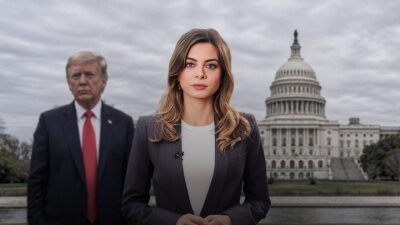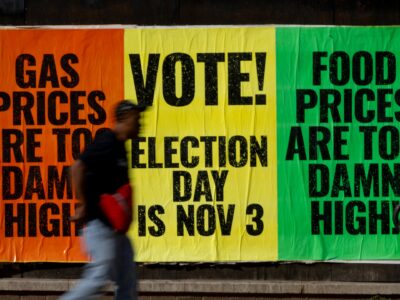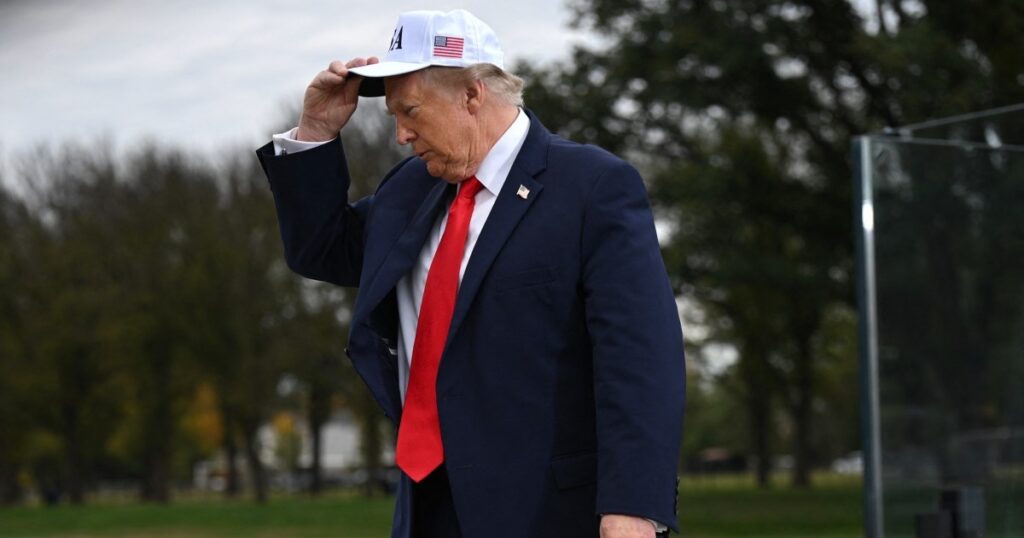
Following the recent midterm elections, Democrats are exploring the extent of their power to influence major policy areas that have shaped the U.S. political landscape in recent years, particularly regarding the possibility of preventing a war with Iran and reversing tariffs instituted by former President Donald Trump.
The Democratic Party’s improved standing in Congress after the midterms presents a nuanced opportunity to impact the nation’s legislative and foreign policy trajectory. However, despite their gains, Democrats still face significant hurdles that limit their ability to unilaterally change policies enacted under the Trump administration.
One major area of concern is the legacy tariffs imposed on numerous countries, which have affected global trade and domestic prices. Reversing these tariffs is on the Democratic agenda; however, they lack sufficient numbers in Congress to override any vetoes by the president, should the administration oppose such moves.
Similarly, the threat of escalating tensions with Iran continues to loom large. Democrats intend to block any aggressive legislative steps toward war with Iran. They possess the capability to launch thorough investigations into the administration’s foreign policy strategies and use legislative tools to delay or halt military actions. Yet, once again, when it comes to final decisions, Democrats do not hold enough seats to override a presidential veto.
The balance of power in Congress means Democrats must often rely on negotiations and bipartisan support to move significant legislation forward. Their strategy likely involves a combination of congressional oversight, public pressure, and collaboration with moderate Republicans to influence policy decisions.
Moreover, the outcome of these political maneuvers will depend heavily on the administration’s stance and willingness to cooperate. The current administration may use its executive powers to push back against congressional attempts to reverse or block certain policies, making the legislative process even more complex.
In conclusion, while Democrats can use their midterm victories to challenge and delay certain aspects of Trump’s legislative legacy, including tariffs and policies leading towards conflict with Iran, they do not currently have the numbers to decisively overturn these measures. Their influence lies in strategic political pressure and oversight, rather than outright legislative control. The coming months will reveal the effectiveness of their approach in shaping U.S. policy amid a divided government.