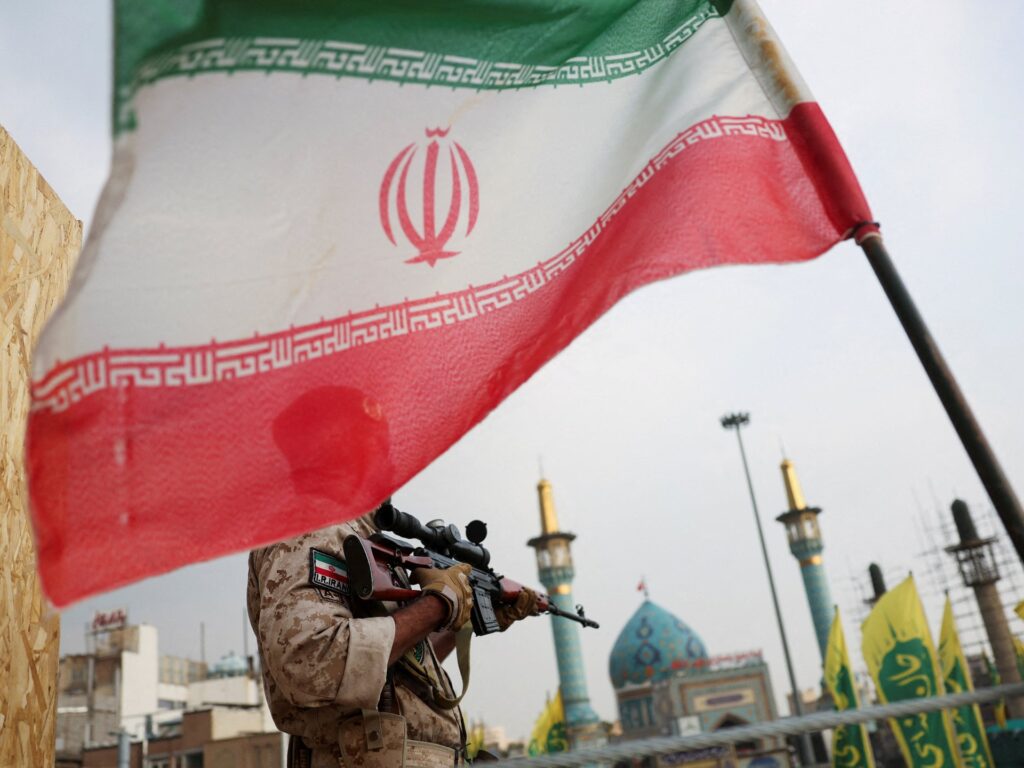
Iran finds itself at a critical juncture as it balances on the edge of a new escalation with the United States, while simultaneously engaging in ongoing negotiations. The question of who determines Iran’s fighting and negotiating stance is complex, reflecting the interplay of diverse political, military, and diplomatic forces within the country.
At the helm of Iran’s decision-making is the Supreme Leader, Ayatollah Ali Khamenei, who holds ultimate authority over all state matters, including military actions and foreign policy. His directives heavily influence Iran’s posture toward the US and its broader foreign relations strategy. The Supreme Leader’s office weighs the potential costs and benefits of confrontation versus dialogue, guiding the broader framework within which Iran operates.
Beneath the Supreme Leader, significant influence is wielded by the Islamic Revolutionary Guard Corps (IRGC), an elite military force that plays a dual role in both defense and foreign expeditions. The IRGC’s commanders, especially the Quds Force led by General Esmail Qaani, are key actors in shaping operational decisions and the tactical approach to US pressures. Their insights into regional dynamics and security imperatives contribute substantially to Iran’s readiness to either escalate conflict or negotiate terms.
The Iranian government, including the president and the Ministry of Foreign Affairs, is primarily responsible for the diplomatic front, negotiating with international actors. President Ebrahim Raisi’s administration continues efforts to sustain dialogue with the US and other world powers, particularly concerning the revival of the 2015 nuclear deal (JCPOA). These negotiations aim to de-escalate tensions through diplomatic means while protecting Iran’s national interests.
Additionally, the parliament (Majlis) holds sway in setting certain policy directions and approving laws that can impact Iran’s negotiating stance. Hardliner and moderate factions within the parliament influence the tone and flexibility of Iran’s foreign policy approach.
External factors also play a role. Iran evaluates US intentions and the international community’s stance, which can affect its willingness to negotiate or resist. Regional allies and proxy groups act as force multipliers, influencing Iran’s strategic calculus through their actions and responses.
In summary, Iran’s fighting and negotiating position amid US threats is determined by a complex web of entities: the Supreme Leader and his clerical domain, the IRGC and its military commanders, the government and diplomatic corps, legislative influences, and regional geopolitical dynamics. Together, they form a multifaceted decision-making process that navigates between escalation and dialogue, reflecting Iran’s efforts to safeguard its sovereignty and interests amidst a highly volatile international environment.