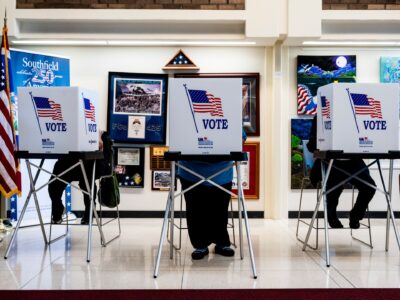
Voters in a region approximately 50 kilometers north of New York City faced significant delays and frustrations on election day due to unexpected malfunctions in ballot scanners. These issues, reported at multiple polling sites, have raised concerns about the reliability of voting technology and the potential impact on the electoral process.
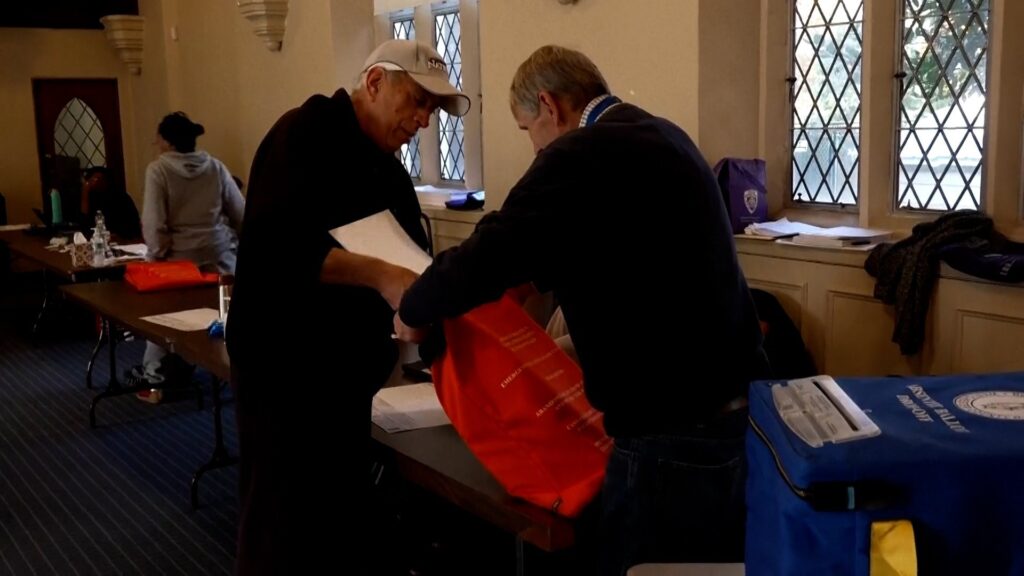
The problem began early in the voting day when poll workers noticed that several machines either failed to scan ballots correctly or completely stopped functioning. In some instances, the scanners misread ballots or failed to register votes, prompting immediate intervention from technical support teams. Despite efforts to quickly resolve the glitches, lines at polling stations grew long, with some voters experiencing wait times extending several hours.
Election officials have assured the public that backup procedures were put into place promptly, including manual ballot counts and paper backups, ensuring no votes would be lost or uncounted. However, the incident has sparked a broader conversation about the preparedness of polling stations to handle technical difficulties and the need for more robust fail-safes.
Experts in election technology have noted that such malfunctions, while rare, are not unprecedented. They emphasize the importance of regular maintenance of voting equipment and thorough pre-election testing. Additionally, contingency plans and voter education are critical to minimizing disruptions during elections.
Local authorities are currently conducting a thorough investigation to determine the cause of the scanner failures and to recommend improvements to prevent similar occurrences in the future. These measures include reviewing existing hardware, updating software protocols, and increasing training for poll workers on troubleshooting equipment issues.
Voter advocacy groups have expressed concern about the potential disenfranchisement of citizens due to technical issues, urging lawmakers to invest in upgrading election infrastructure. They argue that ensuring the integrity and accessibility of voting processes is paramount, especially in an era where election security and voter confidence are under scrutiny.
Despite the challenges faced, election officials maintain that all votes cast will be counted accurately and that the overall outcome of the election will reflect the will of the voters. They encourage the public to report any irregularities experienced during the voting process to help improve future elections.
This incident serves as a reminder of the complexities involved in modern elections and the critical need for continuous improvements in the technology and procedures used to uphold democratic processes.