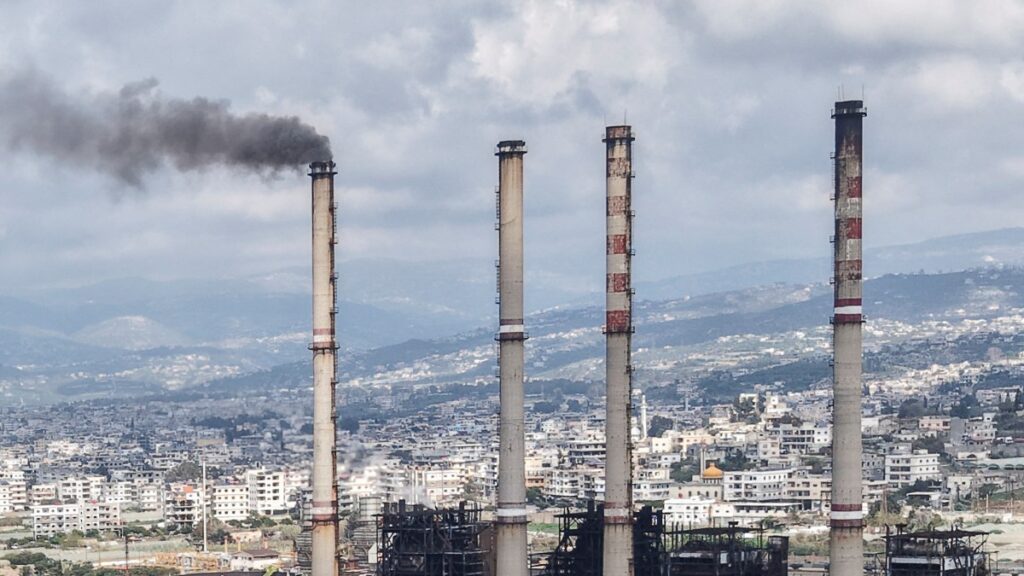
In a recent development, the Syrian government announced that it had successfully foiled a plot allegedly orchestrated by Hezbollah to target the strategically important Homs oil refinery. According to Syrian authorities, intelligence and security forces uncovered and prevented a planned attack aimed at crippling one of the country’s key energy infrastructures. This refinery plays a crucial role in Syria’s oil production and refining capacity, making it a significant element in the nation’s economy and energy security.
The Syrian state media reported that decisive action was taken following the discovery of the plot, although detailed information about the operation and the suspects involved has not been fully disclosed. Officials emphasized the ongoing threats to national security and the importance of vigilance amid regional instability.
In response, Hezbollah vehemently denied the Syrian accusations, categorically rejecting any involvement in the alleged plot. The Lebanese-based militant and political organization reiterated that it does not maintain any presence on Syrian soil, directly countering claims made by Damascus. Hezbollah’s statement suggested that the allegations are unfounded and may be part of broader political tensions in the region.
The tension reflects the complex dynamics in Syria, where multiple local, regional, and international actors are involved in intricate conflicts and alliances. Hezbollah, a key player in Lebanon’s political and military sphere, has been a known ally of the Syrian government in past conflicts but currently denies direct operational activity within Syria.
The Homs refinery, located in central Syria, has been a recurrent target throughout the prolonged Syrian conflict due to its economic importance. Attacks or planned attacks on such infrastructure have significant implications for the country’s energy sector and civilian population.
This incident could potentially escalate diplomatic and political strains between Syria and Hezbollah. Analysts suggest that accusations like these might influence regional alliances and security measures.
Meanwhile, the international community continues to monitor the unfolding situation closely, calling for restraint, thorough investigations, and efforts towards regional stability. The conflicting narratives between Syria and Hezbollah underscore the challenges in verifying facts amid ongoing conflicts.
As the situation develops, further updates and clarifications from both parties and independent sources will be essential to understand the full context and implications of the reported plot and the denial thereof. The incident serves as a reminder of the fragile security landscape in the Middle East and the continuing volatility in Syria.