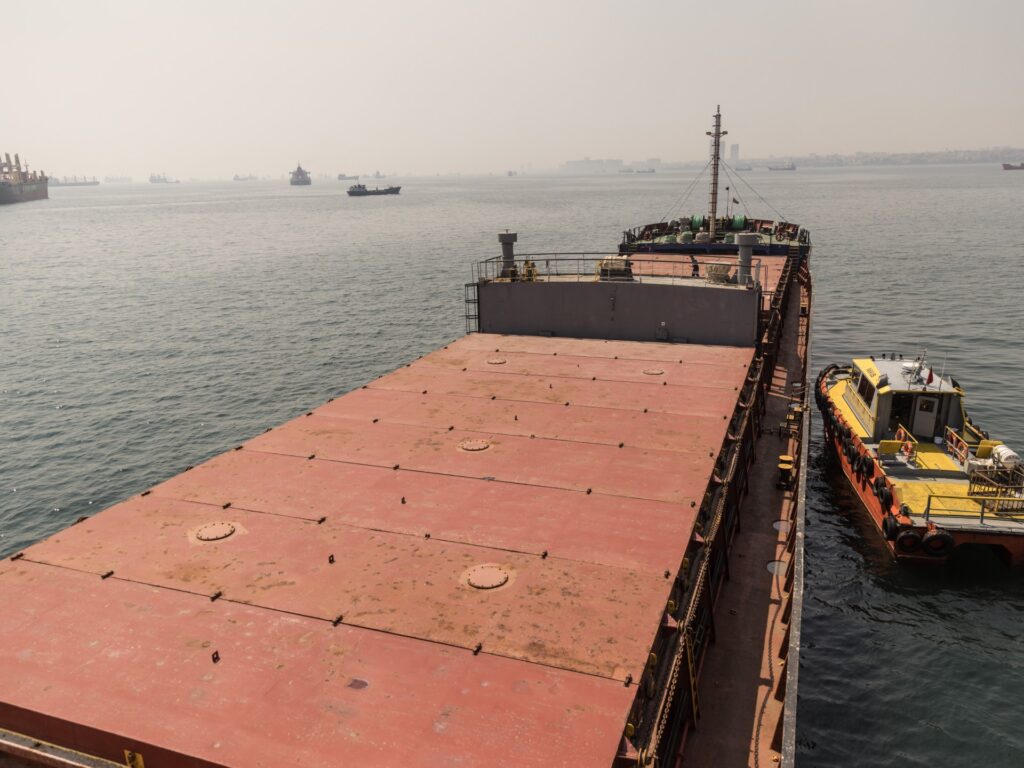
Global food security is facing a significant threat as attacks on grain shipments from Russia and Ukraine have escalated. These attacks are poised to disrupt the supply chains of key agricultural exports, potentially causing a severe spike in global food prices. Both Russia and Ukraine are critical suppliers of grains such as wheat, corn, and barley, which are essential staples for many countries around the world.
The conflict and subsequent assaults on these shipments have led to fears that countries reliant on food imports from these regions could experience shortages and heightened food insecurity. Several import-dependent nations in Africa, the Middle East, and Asia, which are heavily dependent on grain imports from Russia and Ukraine, may be disproportionately affected.
Experts warn that the disruption in grain exports could drive up the prices of food commodities, exacerbating hunger and malnutrition in vulnerable populations. The surge in food prices can also trigger inflationary pressures, further straining the economies of low- and middle-income countries.
Humanitarian organizations have expressed increasing concern about the potential for worsening food crises, urging stakeholders to seek peaceful resolutions and create mechanisms to secure safe passage for agricultural commodities. Additionally, countries are being encouraged to diversify their food sources and invest in local food production to build resilience against external shocks.
The situation underscores the interconnected nature of global food systems and highlights how geopolitical tensions can directly impact food availability and affordability worldwide. International cooperation and urgent diplomatic efforts are critical to preventing a more severe global food crisis.
In summary, the attacks on grain shipments from Russia and Ukraine represent a serious threat to global food security. Import-dependent countries stand to suffer the most from rising food prices and reduced access to essential grains, placing millions of people at risk of food insecurity and hunger. It is imperative for the global community to act swiftly to mitigate these risks and ensure stable food supplies for vulnerable populations.