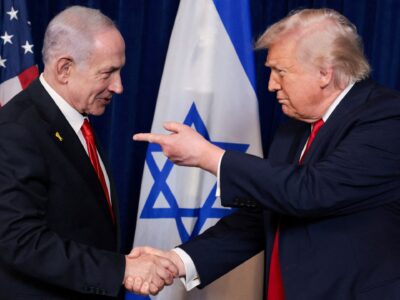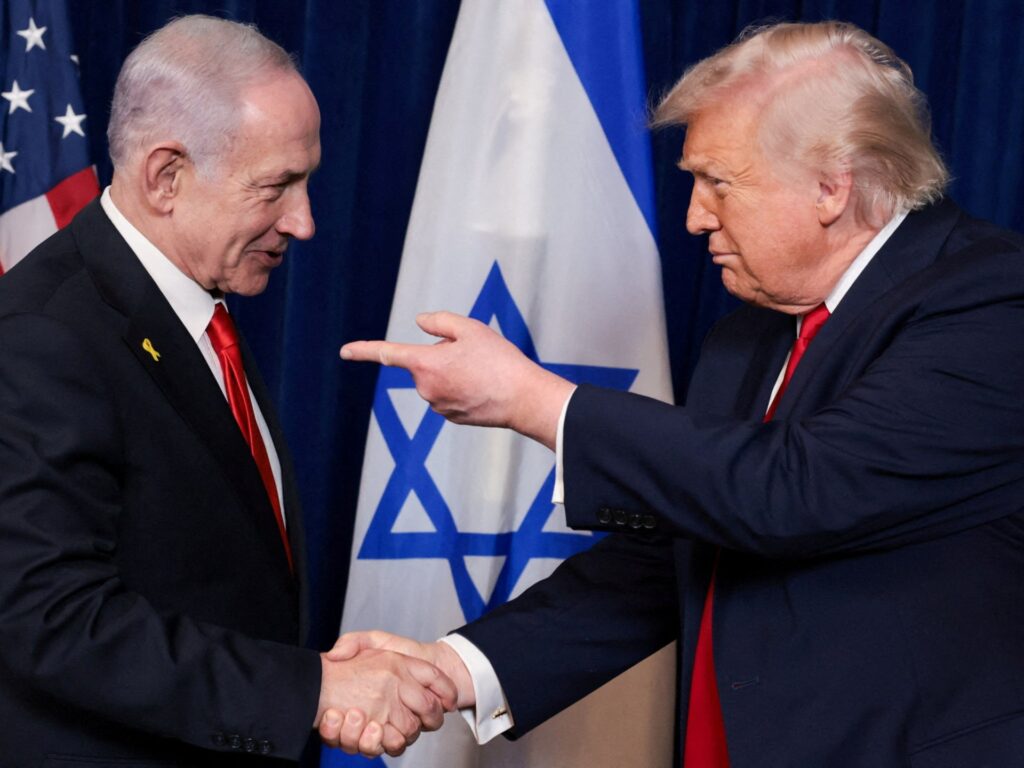
In a surprising announcement, former President Donald Trump stated that the United States will cease its military aid to Israel after the end of the current year. This declaration has ignited a heated political debate surrounding the longstanding support the US provides to Israel, as well as the influence of campaign contributions from Israeli backers to US political candidates.
The US has historically been one of Israel’s most significant supporters, providing billions of dollars in military aid annually. This aid has been crucial for Israel’s defense and military capabilities in a volatile region. However, Trump’s statement indicates a potential shift in policy that could have profound implications for US-Israel relations and Middle Eastern geopolitics.
Political analysts point out that military aid to Israel is a contentious issue within US politics. Supporters argue that it is vital for maintaining stability and security in the Middle East, as well as strengthening a key strategic ally. Critics, however, raise concerns about the financial burden on American taxpayers and the role of foreign aid in perpetuating regional conflicts.
Additionally, Trump’s announcement has highlighted the complexity of campaign financing in the US. Contributions from individuals and groups with ties to Israel have historically played a role in supporting various political candidates and shaping foreign policy stances. The intersection of military aid and campaign funding is now under increased scrutiny, fueling debates about the influence of foreign interests in American political processes.
The timing of Trump’s declaration also comes amid broader discussions about US foreign aid priorities and budget allocations. With growing calls to reassess spending on international aid, this policy change could be part of a larger reevaluation of the US’s global engagement strategy.
Supporters of the decision believe it could lead to a more balanced approach to foreign aid, encouraging Israel to take greater responsibility for its own defense expenditures. Conversely, critics warn that abrupt changes to aid commitments might destabilize the region and harm US diplomatic relationships.
The implications of stopping military aid to Israel extend beyond geopolitics. The announcement may influence defense industries, non-governmental organizations involved in Middle Eastern affairs, and the federal budget dynamics within the US government.
As the year-end deadline approaches, both political parties, foreign governments, and advocacy groups are preparing for intense discussions and lobbying efforts. The debate emphasizes the interconnectedness of domestic politics and international relations.
Moving forward, policymakers will need to carefully consider the potential consequences—both immediate and long-term—of altering the US’s aid commitments to Israel. Whether this announcement will translate into actual policy shifts remains to be seen, as it faces opposition and negotiation within the US Congress and beyond.
In summary, Trump’s declaration to halt US military aid to Israel after this year marks a significant moment in US foreign policy, prompting widespread debate about the balance between national interests, global commitments, and the influence of financial contributions in political decision-making.