Lebanon is grappling with a deepening electricity crisis, leading to unprecedented power cuts imposed on public bodies across the country. This severe energy shortfall comes amid escalating political disputes and the broader impact of ongoing regional conflicts, further destabilizing an already fragile infrastructure.
The decision to cease electricity supply to public institutions marks a critical turning point in Lebanon’s prolonged struggle to maintain reliable power provision. The country’s energy sector has been languishing under the weight of systemic inefficiencies, corruption, and financial mismanagement, compounded by the devastating consequences of political deadlock and intermittent violence.
Experts emphasize that while immediate relief measures such as power rationing are necessary, they are merely temporary fixes. Lebanon requires comprehensive, deeper reforms in its energy policies and management to restore stability and build resilience against future crises.
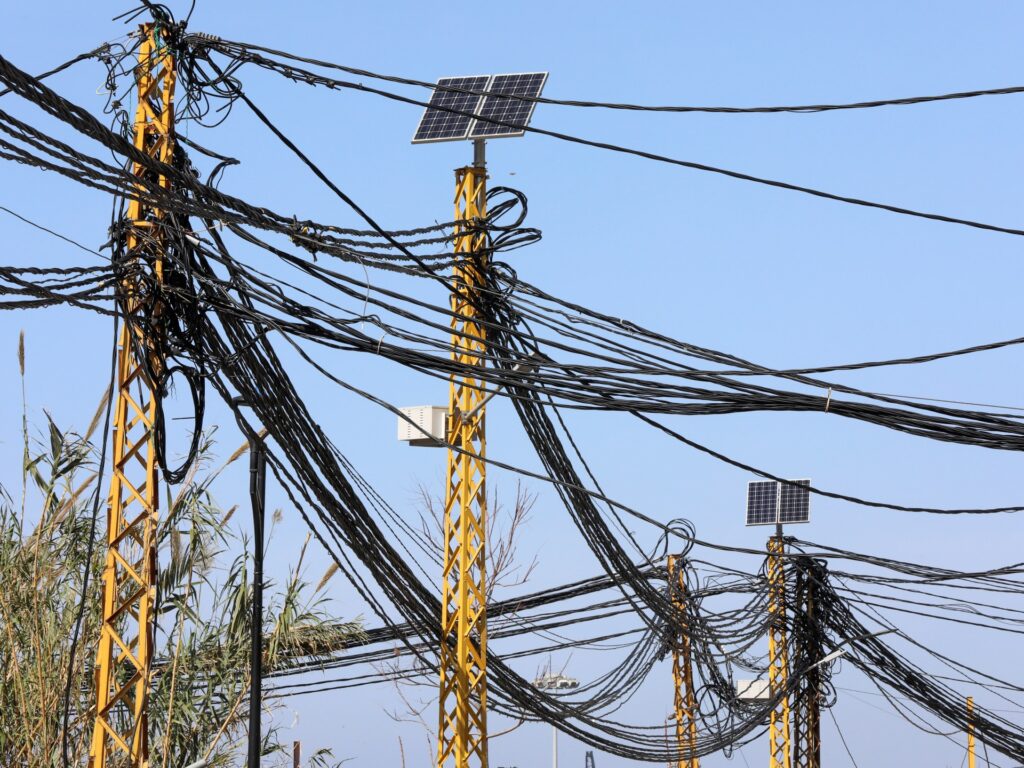
Key factors contributing to the crisis include the fragmentation of authority over electricity provision, the deterioration of Lebanese Electric Company infrastructure, and the inability of the government to secure sustainable fuel supplies due to financial constraints and external pressures.
Moreover, the political disputes, notably between various factions within Lebanon, have paralyzed decision-making processes essential for addressing the crisis effectively. The ongoing regional conflicts exacerbate supply chain disruptions and increase fuel costs, further straining the national grid.
The public impact is severe as government agencies and healthcare facilities experience significant power outages, undermining essential services and public confidence. Citizens encounter extended daily blackouts, affecting businesses, schools, and households, pushing many to rely on costly private generators despite widespread economic hardships.
International observers and humanitarian organizations have called for urgent international assistance and mediation to support Lebanon’s efforts in stabilizing its electricity sector. They advocate for a strategic overhaul, incorporating cleaner energy alternatives, modernizing the grid, and enhancing governance transparency.
In summary, Lebanon’s electricity crisis is a multifaceted issue rooted in political instability, regional turmoil, and systemic energy sector deficiencies. Addressing it demands coordinated reforms, political consensus, and sustained international support to prevent further deterioration and restore power to vital public services and communities alike.