Tensions in the Strait of Hormuz have escalated sharply as the United States carried out what it described as ‘defensive’ military strikes in the strategic waterway, a vital global oil transit route. The confrontations come amid Iran’s firm stance demanding the lifting of the US naval blockade and a full compliance with its terms before any meaningful negotiations or agreements can be established.
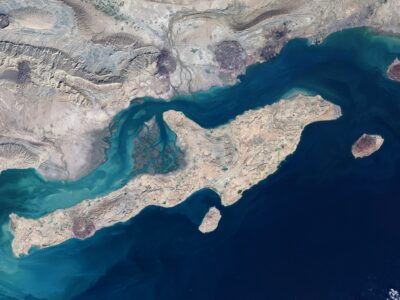
The Strait of Hormuz, a narrow passage that connects the Persian Gulf to the Gulf of Oman and the Arabian Sea, is crucial for global oil supplies, with a significant portion of the world’s petroleum passing through it daily. This passage has long been a flashpoint for geopolitical tensions between the US and Iran.
According to reports, the US strikes targeted unidentified vessels perceived as threats to navigation and freedom of passage in the region. The US military described these operations as purely defensive, aimed at safeguarding international shipping lanes from hostile actions that could disrupt the flow of commerce and energy supplies.
Iran’s government, meanwhile, responded firmly, characterizing the US actions as escalatory and a continuation of its naval blockade, which Tehran views as illegal and an infringement on its sovereignty. Iranian officials reiterated that they will not consider any agreement until the US lifts all naval restrictions and fully meets Iran’s stated demands.
The situation is further complicated by the broader context of strained US-Iran relations, which have been marked by years of diplomatic deadlock, economic sanctions, and military posturing. The US aims to pressure Iran over its nuclear program and regional influence, whereas Iran seeks recognition of its rights and relief from sanctions.
International observers have expressed concerns about the risk of an unintended conflict that could disrupt global oil markets and destabilize the region. Diplomats have called for restraint on both sides and a return to dialogue to avoid further escalation.
The US and its allied forces continue to monitor the Strait closely, warning any parties against actions that would jeopardize maritime security. Iran, on its part, has vowed to protect its national interests and maintain control over its territorial waters.
This latest episode marks a significant flare-up in a long-standing proxy conflict that has implications far beyond the narrow confines of the Gulf, affecting global energy prices, international security, and diplomatic relations.
As tensions remain high, the international community watches closely, hoping for de-escalation but preparing for the potential consequences of a broader confrontation in one of the world’s most strategically important maritime corridors.