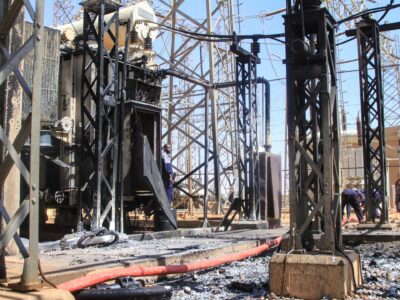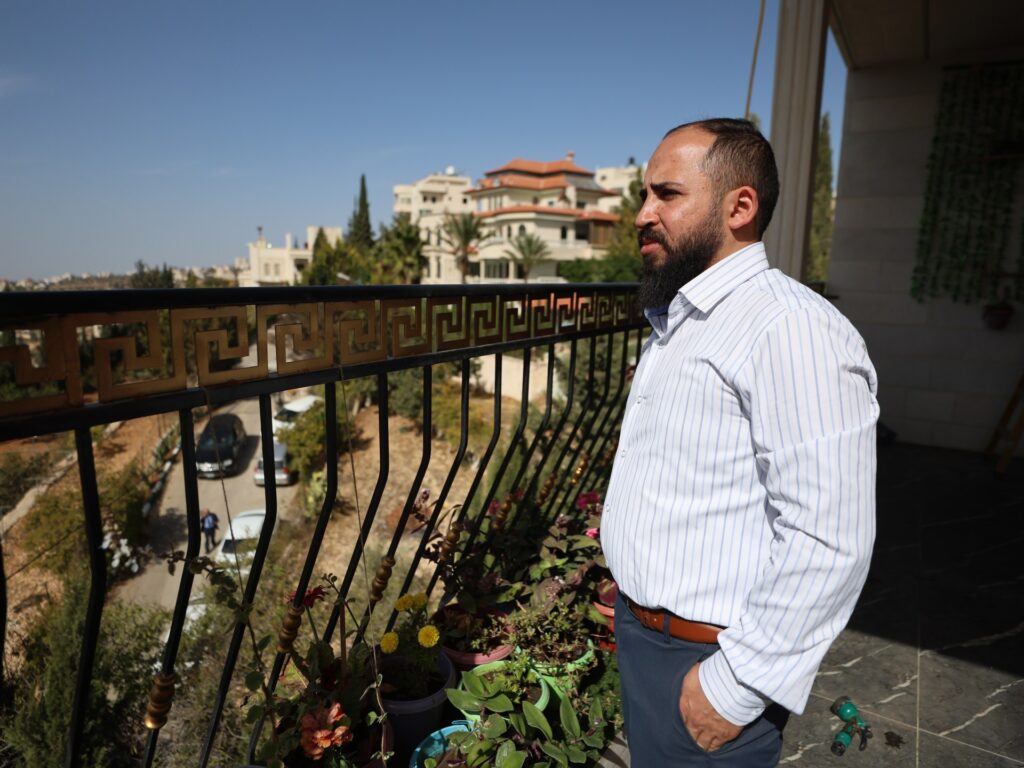
In the aftermath of a recent Israeli siege in Hebron, numerous families who were displaced have now begun the arduous process of returning to their homes. These residences, many of which suffered significant damage during the conflict, stand as stark reminders of the turmoil that unfolded. The siege left behind a landscape marked by destruction, with shattered windows, damaged doors, and scattered belongings evidencing the harsh impacts on daily life.
The displacement disrupted the lives of these families, who were forced to seek refuge elsewhere under often difficult conditions. Now, as they make their way back, the challenges persist, but the determination to rebuild and reclaim their lives remains strong. The returnees face the daunting task of repairing their homes with limited resources, often relying on community support and aid from humanitarian organizations.
Local authorities and international groups have noted the plight of these families, highlighting the need for immediate assistance to restore basic infrastructure and to support affected households. The psychological toll on the displaced cannot be understated, as the traumatic experience of eviction and destruction continues to impact their well-being.
Despite the hardships, the resilience of the Hebron families is evident. Neighbors assist one another in clearing debris and salvaging what remains from destroyed possessions. Stories of hope emerge amid the rubble, with families planting new seeds for the future and rebuilding the physical and emotional foundations of their homes.
This ongoing situation in Hebron underscores the broader context of prolonged tension in the region, where civilians often bear the brunt of political and military confrontations. Advocacy for peaceful resolution and protection of civilian lives remains critical as the community navigates the road to recovery.
In summary, the displaced families of Hebron face the complex challenge of piecing together their lives after the Israeli siege. Their journey is marked by hardship but also by hopeful resilience, as they strive to restore normalcy and security in their damaged neighborhoods. The support of the wider community and sustained humanitarian efforts are essential to aid in their recovery and to pave the way for a more stable future.