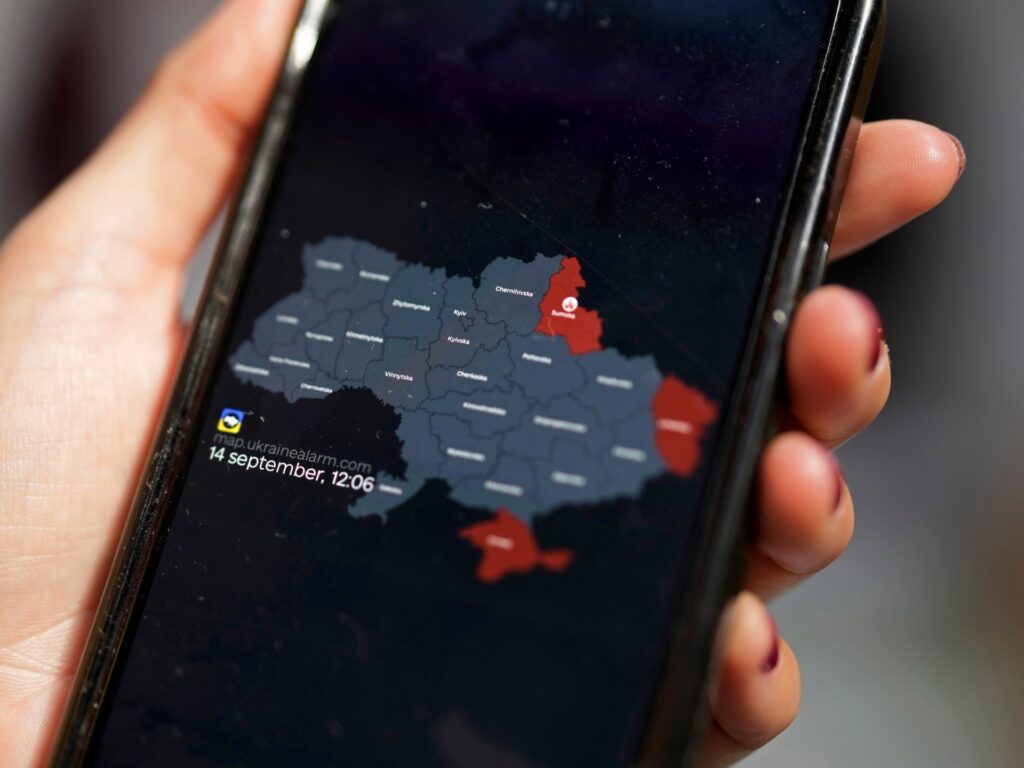
In a startling incident that caught the attention of many, nuclear radiation warnings were issued in parts of Russia and Ukraine, leading to widespread panic and confusion. However, authorities have since clarified that these alarming alerts were the result of a hacking incident rather than any actual nuclear threat.
The warnings first surfaced unexpectedly, triggering alarm among residents who were concerned about their safety and the potential for a nuclear disaster. Emergency services and government agencies quickly responded to the situation, investigating the source of the warnings.
Officials confirmed that hackers had infiltrated the alert systems used to notify the public of emergencies. This cyberattack generated false messages about dangerous levels of nuclear radiation, a scenario that understandably caused fear and uncertainty.
Despite the seriousness of the false alerts, Ukraine’s authorities acted swiftly, managing to regain control of the alert system and remove the false notifications within less than an hour. In a public statement, they reassured citizens that there was no actual nuclear radiation threat and that the situation was under control.
Security experts are now assessing the vulnerabilities in the emergency alert infrastructure to prevent similar breaches in the future. This incident highlights the increasing risks posed by cyberattacks on critical public safety systems and the importance of robust cybersecurity measures.
Public reaction has been mixed, with relief that the danger was not real, but concern over the ease with which hackers accessed emergency communications. The episode has prompted calls for greater transparency and investment in secure technology to protect vital services.
Historically, the region has faced numerous challenges related to security and political tensions, but this event underscores a new dimension of threats that involve cyber warfare and misinformation.
Authorities continue to monitor the situation closely and have urged the public to remain calm and rely on official sources for information. They also encourage reporting any suspicious activity that could indicate further attempts to disrupt communication channels.
In conclusion, while the false nuclear radiation alerts temporarily unsettled many people in Ukraine and Russia, the swift response by authorities prevented any lasting harm. The incident serves as a critical reminder of the vulnerabilities in modern emergency systems and the need for ongoing vigilance against cyber threats.