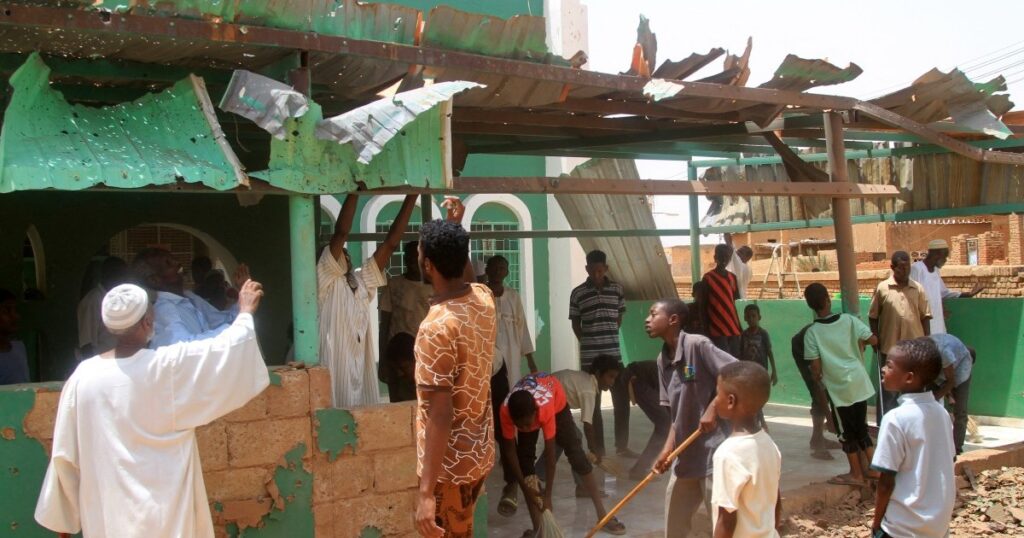
Sudan has formally filed complaints against Ethiopia at the United Nations over a series of deadly drone attacks that have severely affected its civilian population. According to Khartoum, these so-called one-way drone attacks have resulted in the deaths or injuries of 484 civilians since February. This accusation marks a significant escalation in tensions between the neighboring countries and draws international attention to the ongoing conflict in the region.
The complaint submitted to the UN highlights the severity and frequency of the drone incidents, pointing to a disturbing pattern of cross-border violence that endangers civilian lives and undermines regional stability. Sudan accuses Ethiopia of deploying unmanned aerial vehicles (UAVs) in targeting areas within Sudanese territory, causing widespread casualties and damage.
The reported casualties number 484, a figure that encompasses both fatal and non-fatal injuries among civilians, indicating the high humanitarian toll of the drone operations. Sudan’s government representatives emphasize the indiscriminate nature of these attacks, condemning them as violations of international law and calls for immediate action to stop the drone strikes.
This complaint arrives amid a complex geopolitical backdrop, where Ethiopia faces internal conflict and political unrest, particularly in its northern regions. The use of drone technology in conflict zones has raised fresh concerns internationally about its impact on civilian safety and the rules of engagement.
International observers and human rights organizations have expressed alarm over the drone attacks, urging the UN to investigate the claims thoroughly and to hold responsible parties accountable. They stress the urgent need to protect civilians and to secure peace and stability in this volatile part of northeast Africa.
Sudan’s move to escalate the issue to the United Nations underscores the gravity of the situation and reflects its pursuit of diplomatic and legal avenues to address the drone threat. It remains to be seen how the UN will respond, but the complaint is expected to trigger discussions on international security, state sovereignty, and the use of drone warfare.
The broader implications of this dispute could affect not only Sudan and Ethiopia but also have ripple effects across the Horn of Africa, a region marked by fragile alliances and historical tensions. The global community watches closely as this conflict involving drone attacks unfolds, concerned about the humanitarian consequences and the potential for wider conflict escalation.
As the UN deliberates, Sudan is calling for increased international support to address and resolve the crisis, advocating for stronger measures to prevent future drone attacks and to hold accountable those who deploy such weapons against civilians. The situation remains fluid, and further developments are anticipated as diplomatic efforts intensify.