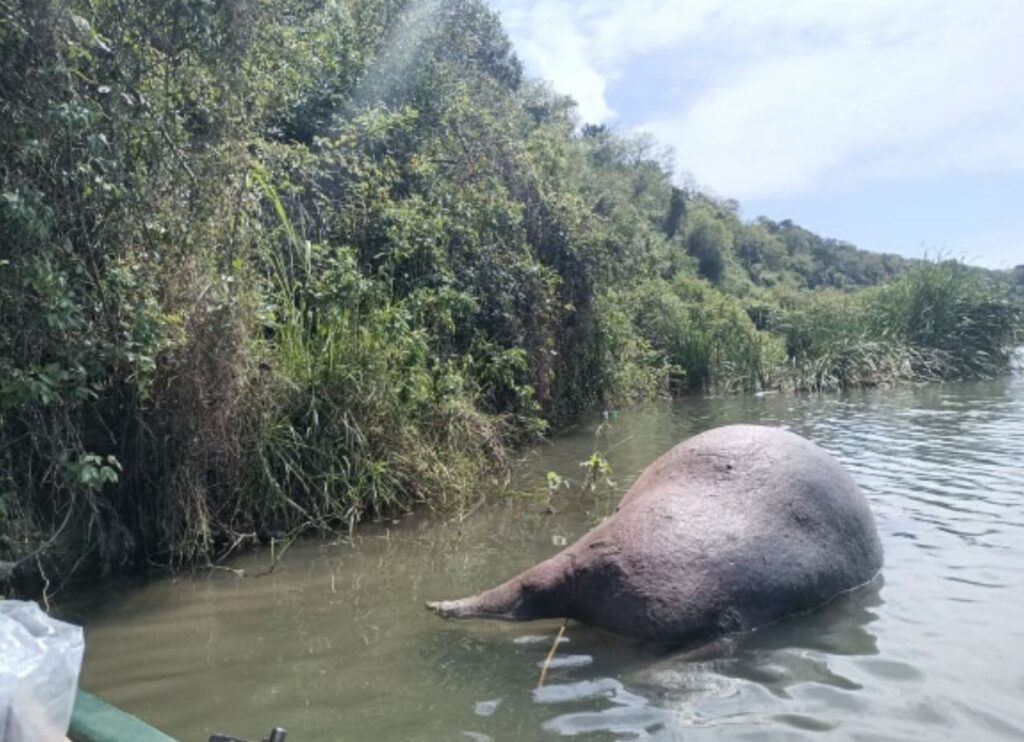
An alarming anthrax outbreak has resulted in the deaths of numerous hippos in Virunga National Park, located in eastern Democratic Republic of Congo (DR Congo). The outbreak poses a serious threat to the wildlife in this ecologically vital area, compounding existing challenges such as prolonged drought and ongoing conflict.
Virunga National Park is renowned for its biodiversity and is home to many endangered species. Hippos, being a significant part of the park’s ecosystem, are now at risk following the anthrax outbreak, which has caused substantial mortality within their population. The sudden rise in hippo deaths highlights the vulnerability of wildlife to disease outbreaks, especially in environments already stressed by harsh climatic conditions.
Drought conditions have severely affected the availability of water and grazing land for animals, weakening their health and making them more susceptible to infections like anthrax. The eastern region of DR Congo has also been grappling with persistent armed conflict, which hampers conservation efforts and limits access for park rangers and veterinarians to monitor and control disease spread effectively.
Conservationists express grave concern regarding the outbreak’s impact on hippos, as the species plays a crucial role in maintaining aquatic ecosystems within the park. Hippos contribute to nutrient cycling and help sustain the waterways that support other wildlife. Their decline may, therefore, have cascading effects on the entire ecosystem.
Efforts to address the situation face numerous obstacles, including insecurity and logistical difficulties. The park authorities, together with international conservation organizations, are calling for increased support and resources to manage the outbreak, provide medical care to affected animals, and implement preventive measures.
In addition to combating anthrax, there is a pressing need to tackle the underlying factors exacerbating wildlife vulnerabilities, including improving water management during droughts and enhancing security for conservation teams.
Virunga National Park is a UNESCO World Heritage Site and one of Africa’s most critical conservation areas. The anthrax outbreak presents an urgent call to action for the international community to collaborate with local stakeholders to protect the park’s unique biodiversity.
This incident underscores the interconnectedness of environmental health, animal well-being, and human factors. Without robust intervention and sustainable solutions addressing ecological, climatic, and socio-political challenges, the future of endangered wildlife in eastern DR Congo remains uncertain.
The ongoing situation in Virunga serves as a grim reminder of the fragility of natural habitats in conflict zones and the importance of resilient conservation strategies amid growing environmental pressures worldwide.