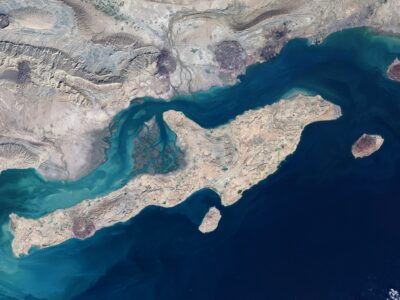
Recent developments in the Strait of Hormuz have raised global security concerns following reports that two tankers were hit by mines and caught fire. The incident occurred in this critical maritime chokepoint, which is essential for global oil transit.
The Iranian Revolutionary Guard Corps (IRGC) has confirmed the tankers were attacked with mines, causing significant fire damage. These attacks have heightened tensions in the region, which is already fraught with geopolitical strife.
In response to the escalating situation, US President Donald Trump has issued a stark warning to Iran, urging them to reach a deal soon to prevent further conflict. President Trump reiterated his belief that the ongoing conflict could end soon with a diplomatic resolution, underscoring the importance of negotiations.
The Strait of Hormuz remains a strategic waterway, with approximately 20% of the world’s petroleum passing through it daily. Any threats to the security of this area can have wide-reaching impacts on global energy markets and international relations.
The US president’s statement comes amid growing pressure on Iran regarding its nuclear activities and regional influence. The attack on the tankers could be seen as a provocative act that risks escalating tensions further between Tehran and Washington.
Global leaders are closely monitoring the situation, calling for restraint from all parties involved. The international community has a vested interest in maintaining stability in the Gulf to ensure the continued flow of energy resources.
Experts suggest that this incident could be a test of resolve between the US and Iran. There is a call for increased diplomatic efforts to de-escalate the situation and avoid a larger military confrontation.
Both tankers involved in the incident have suffered significant damage, but there have been no immediate reports of casualties among the crew members. Rescue operations were quickly initiated to contain the fires and prevent environmental hazards.
This event marks one of the most serious maritime security incidents in recent years in the Strait of Hormuz. It highlights the fragile nature of peace in the region and the risks involved in the ongoing power struggle.
Analysts warn that the continuation of such hostile actions could disrupt global oil supplies and lead to increased prices, affecting economies worldwide.
The US has maintained a naval presence in the area to safeguard shipping routes and deter aggressive actions, while Iran asserts its right to defend its territorial waters.
As diplomatic channels remain open, there is hope that dialogue will prevail and bring about a peaceful resolution to what is currently a volatile situation.
International calls for both sides to engage in constructive talks aim to prevent further attacks and promote regional stability.
The attack underlines the importance of a robust international mechanism to respond promptly to threats against commercial shipping in strategic waterways.
In the coming days, the global community will be watching closely for any developments that could either escalate or de-escalate these tensions.
This incident serves as a stark reminder of the delicate balance of power in the Middle East and the critical need for sustained diplomatic engagement to avoid conflict.