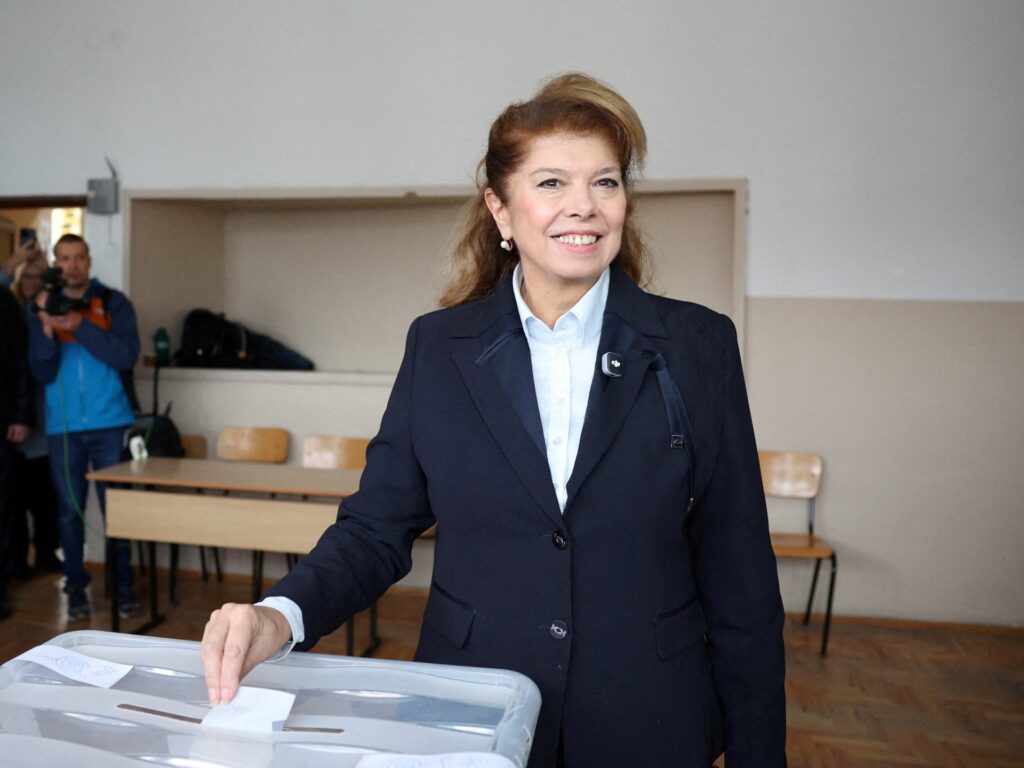
Bulgaria’s presidential election results are beginning to take shape, with initial counts indicating a victory for the acting President, Iliana Iotova. This historic moment is significant because if these preliminary results are confirmed in the final official tally, Iotova will become the nation’s first elected female head of state.
Iliana Iotova’s rise to this prominent position marks a potentially transformative period in Bulgarian politics. Serving as the acting president, she has already been influential in driving the country’s policies and representing Bulgaria on the international stage. Winning the presidential election in her own right would consolidate her leadership and signal a breakthrough in gender representation at the highest level of government.
The Bulgarian presidential election has been closely watched, not only within the country but also by neighboring nations and international observers. A victory for Iotova can be seen as a progressive step towards gender equality in Eastern European politics, a region where female leadership has historically been sparse.
Election day saw a high voter turnout, reflective of the significant public interest in this race. Citizens were eager to cast their votes, aware of the historical importance of the election as well as its potential impact on Bulgaria’s future.
Iotova’s campaign focused on key issues such as economic development, strengthening democratic institutions, and enhancing Bulgaria’s position within the European Union. Her platform resonated with a broad segment of the population, helping to secure her lead in these initial counts.
Political analysts suggest that her victories may also stem from a desire for continuity, given her incumbency and steady leadership style amid various regional challenges. Many voters appeared to support her experience and vision for the country, particularly in navigating complex international relations.
Should the official election results confirm Iotova’s victory, her presidency will also be symbolic for women across Bulgaria and the broader region. It would highlight a move towards inclusivity and diversity in political leadership, possibly inspiring future generations of women to pursue roles in governance and public service.
As the final vote counts are tallied and confirmatory procedures conclude, the nation awaits formal confirmation from the Bulgarian Electoral Commission. Meanwhile, political parties and international observers continue to monitor the process, underlining the importance of transparency and democratic integrity.
Regardless of the outcome, the preliminary victory signals a noteworthy chapter in Bulgarian history. It underscores the evolving political landscape, where gender barriers are increasingly being challenged and broken.
Iliana Iotova’s potential achievement as Bulgaria’s first elected female president marks a milestone not only for her but for the country’s democratic evolution. The coming days will be critical as Bulgaria confirms the results and prepares for a new era under what could be its first woman president.