In July 2021, a tragic event shook Serbia when the platform at the Novi Sad railway station collapsed, resulting in several fatalities and numerous injuries. This disaster marked the beginning of a turbulent period in the country’s political and social landscape, leading to a two-year fight for justice and accountability.
The incident exposed significant issues related to infrastructure safety and governmental oversight. Initially, the response was focused on rescue and medical aid for the victims. However, as investigations began, the public demand escalated for transparency and responsibility from authorities.
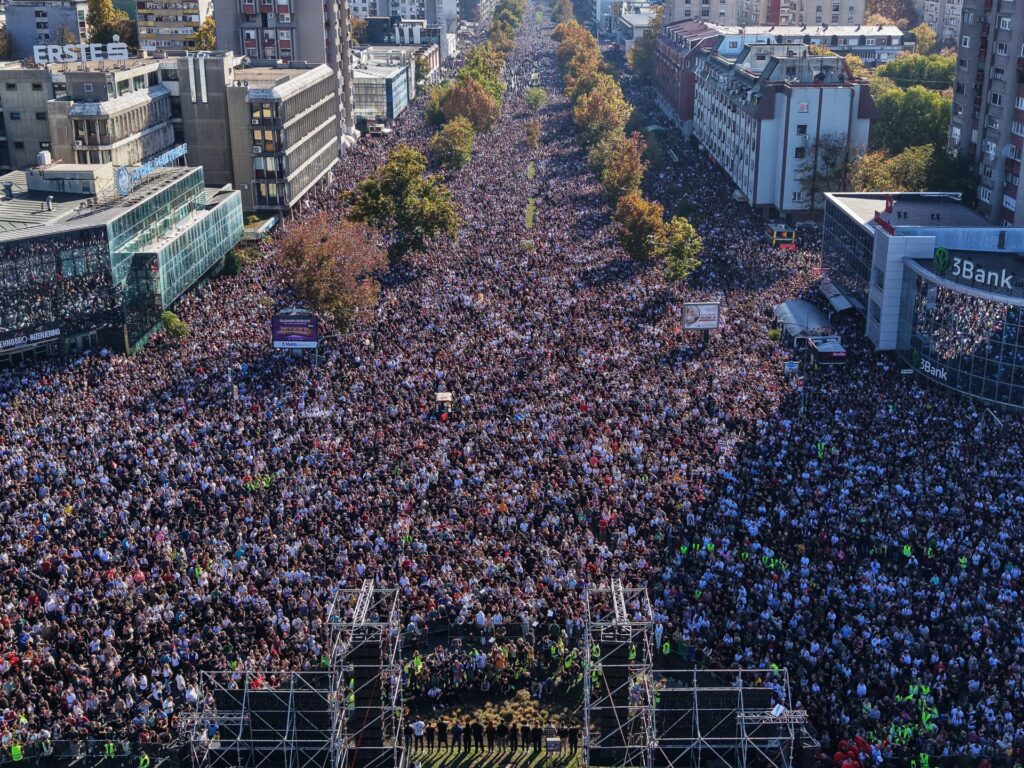
By late 2021, protests erupted across Serbia, with citizens blaming government negligence for the tragedy. These demonstrations intensified the scrutiny on public works and safety regulations, leading to calls for systemic reform.
Throughout 2022, parliamentary debates highlighted the need for improved infrastructure governance. Several officials were questioned about the maintenance and inspection routines of public construction projects. Despite some resignations and disciplinary actions, many felt that the government’s response was inadequate.
Activists and families of victims formed coalitions to push for independent inquiries and greater accountability, organizing memorials and awareness campaigns to keep the tragedy in the public consciousness.
As political pressures mounted, the ruling coalition faced fractures, with opposition parties capitalizing on public dissatisfaction. By mid-2023, snap elections were announced, largely influenced by the ongoing public outcry stemming from the Novi Sad tragedy.
The elections resulted in a shift of power, with a new government promising comprehensive reforms in public safety, infrastructure management, and governmental transparency. The change marked a pivotal moment in Serbia’s contemporary history, reflecting the citizens’ demand for justice and better governance.
In post-election months, the new administration initiated legal proceedings against those deemed responsible for the railway station collapse. Structural audits were mandated nationwide to prevent similar disasters.
The two-year period from the tragedy to the government change has been characterized by intense public activism, political upheaval, and a broader national dialogue on accountability and security standards.
The Novi Sad railway station collapse remains a somber reminder of the consequences of neglect, but also a catalyst for societal change and improved governance in Serbia.