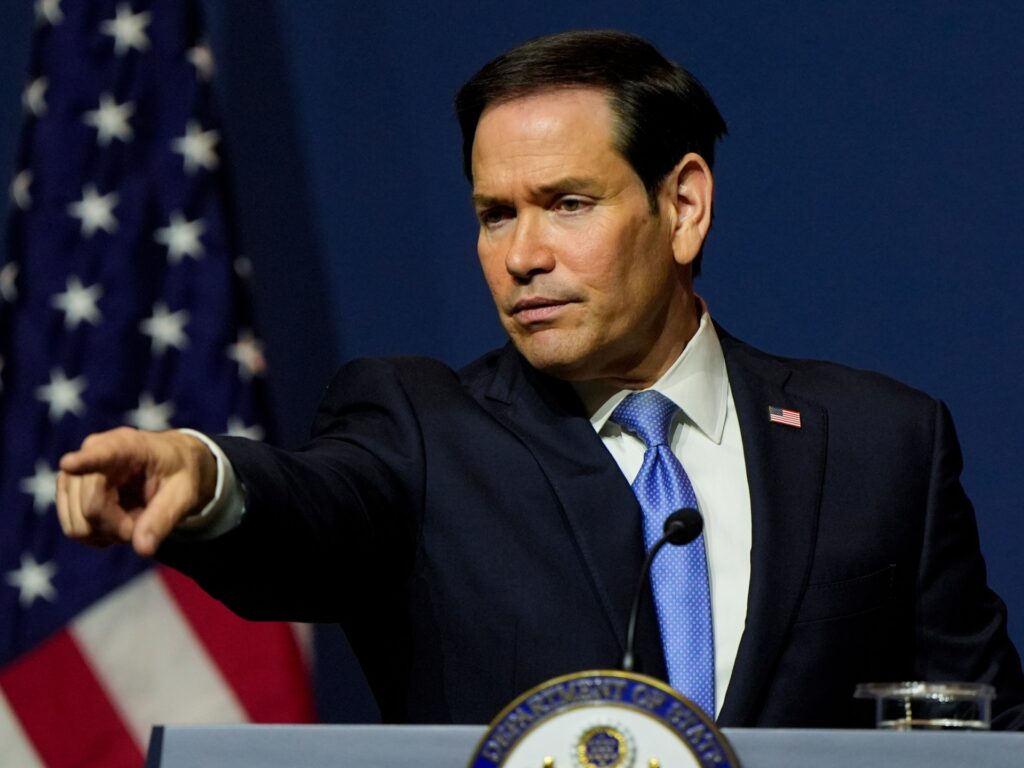
In recent political discourse, Senator Marco Rubio clarified his stance regarding the Donald Trump administration’s alleged involvement in Jair Bolsonaro’s departure from Brazil. Contrary to circulating speculations, Rubio asserted that the Trump administration did not facilitate the former Brazilian president’s flight to the United States.
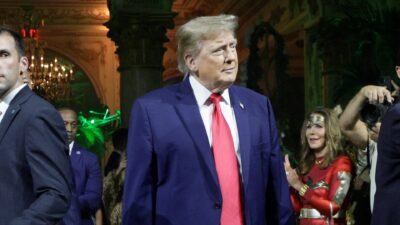
The context around this statement is tied to Bolsonaro’s residency status in the US amid ongoing investigations in Brazil. Former President Donald Trump publicly commented on Bolsonaro’s situation, stating that the ex-president can remain in the United States “as long as he wants.” This declaration came amid Bolsonaro facing scrutiny back home, where Brazilian authorities are investigating various allegations against him.
Rubio’s insistence on the lack of administrative support from Trump’s government provides a direct rebuttal to rumors that the US might have played a covert role in assisting Bolsonaro’s relocation. The distinction underscores the complexities in US-Brazil relations and reflects the political sensitivities involving former leaders on international soil.
Bolsonaro’s decision to stay in the US, coupled with Trump’s remarks, adds a layer of diplomatic intrigue to the ongoing legal and political processes in Brazil. Observers note that while Bolsonaro enjoys a degree of protection and asylum, the legal investigations continue to unfold, impacting Brazil’s political landscape.
This situation highlights the intersection of international diplomacy, legal jurisdiction, and political asylum practices. Both Trump’s supportive comments and Rubio’s clarifications suggest a nuanced perspective within the American political framework regarding foreign counterparts accused of legal misconduct.
Analysts consider this development significant as it exposes the tension between political alliances and legal accountability, marking a pivotal moment in how international political figures navigate challenges from their home countries. Bolsonaro’s prolonged stay in the US, backed by a former US president’s endorsements but denied operational help by a US senator, creates a complex narrative that will likely continue to evolve.
The broader implications for US-Brazil relations remain to be seen, as both countries balance diplomatic courtesies with the enforcement of their respective legal systems. This episode invites a closer look at the precedents set for future cases involving political figures seeking refuge abroad while under investigation.
As the story develops, it remains a focal point for discussions on international law, sovereignty, and the responsibilities nations have when granting sanctuary to controversial political figures. The discrepancy between public statements from influential US personalities and the official governmental stance shows the multifaceted nature of international diplomacy in the modern era.