In a recent development signaling potential diplomatic progress, Iran’s security chief has described a letter from US Vice-President JD Vance as indicating a ‘positive’ shift in relations between the two nations. This letter, reportedly sent by Vance, appears to be an effort by the United States to revive talks with Iran, which have been strained for several years over various geopolitical issues.
The content of the letter remains undisclosed publicly, but the reception by Iran’s security apparatus is being viewed cautiously as a possible opening for renewed dialogue. Historically, US-Iran relations have been marked by tension and conflict, particularly due to disagreements over Iran’s nuclear program, regional influence, and human rights concerns.
Vice-President Vance’s initiative may be part of a broader strategy by the current US administration to re-engage with Iran diplomatically after years of sanctions and confrontational policies. The letter’s positive reception suggests both sides might be willing to reassess their positions and seek common ground.
Analysts note that the timing of this outreach comes amid a complex international environment, where cooperation may become increasingly important on issues such as regional security, nuclear non-proliferation, and combating terrorism. A successful dialogue could pave the way for easing sanctions and reopening channels for economic and political engagement.
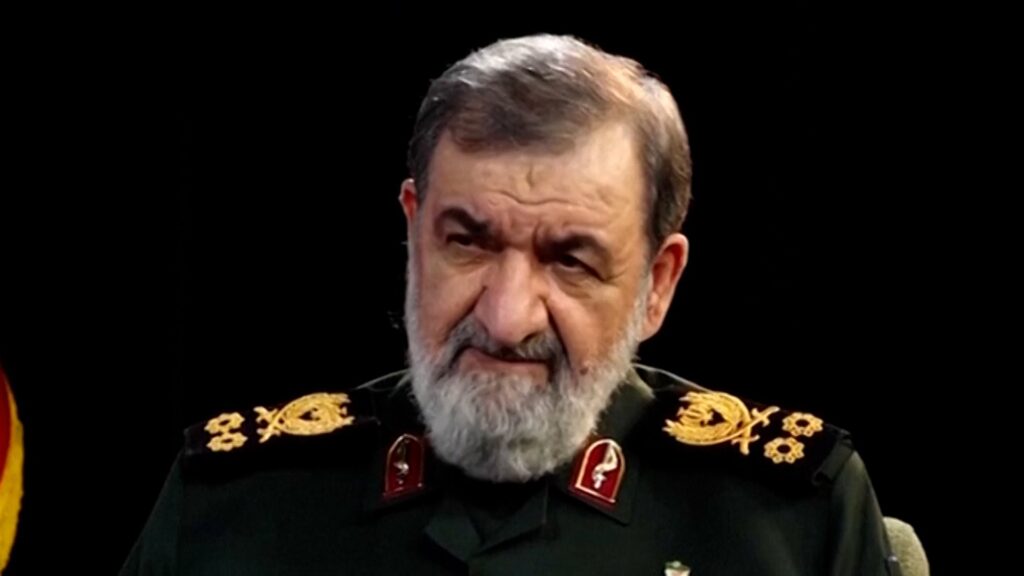
Iran’s security chief emphasized the significance of the communication, stating that it reflects a change in the US approach towards Iran. While not a formal resumption of talks, this gesture might serve as a confidence-building measure that could lead to more substantive negotiations.
Observers remain vigilant, however, as past efforts at dialogue have often faltered due to mutual distrust and differing objectives. The international community is watching closely, hopeful that this step marks the beginning of a more constructive relationship between the US and Iran.
If the current momentum continues, there may be further diplomatic exchanges in the coming weeks, potentially culminating in talks that address critical issues such as Iran’s nuclear ambitions, regional conflicts, and economic sanctions relief.
This development highlights the evolving nature of international diplomacy, where unexpected communications can sometimes lead to significant breakthroughs, even between long-standing adversaries. The full implications of Vice-President Vance’s letter will unfold in the days and months ahead, as both governments consider their next actions in pursuit of peace and stability in the region.