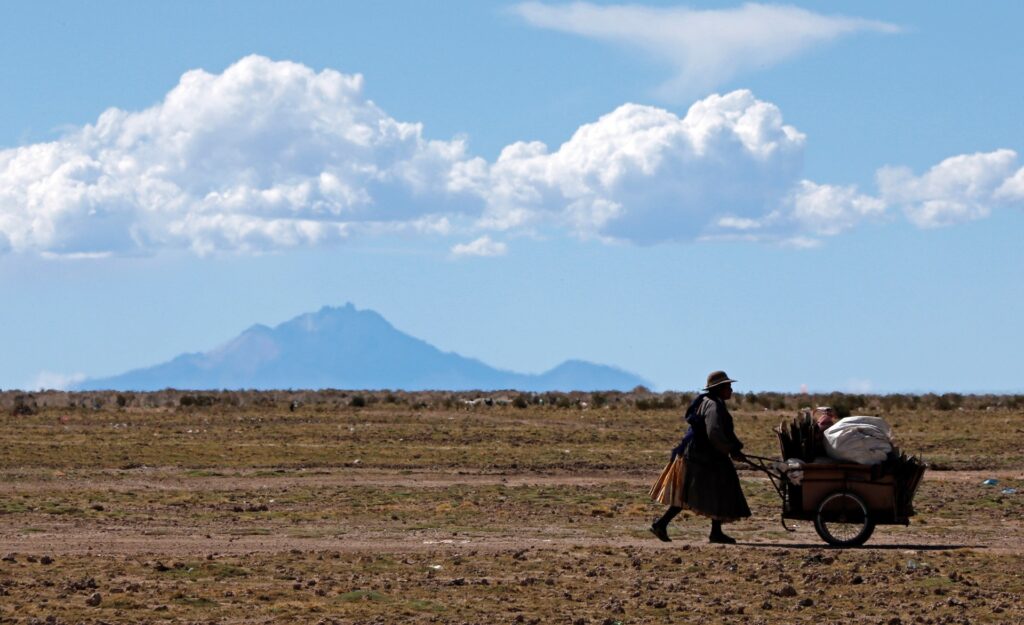
Bolivia has officially declared a state of emergency as the country grapples with the severe effects of the El Nino weather pattern. This climatic phenomenon, which is projected to peak in late 2026, has already begun to impose significant hardships on the nation. A widespread drought, linked directly to El Nino’s impact, is currently affecting approximately 78,000 families across Bolivia. This environmental crisis has not only disrupted local livelihoods but has also taken a devastating toll on the agricultural sector.
According to recent reports, over 75,000 cattle have been lost due to the ongoing drought conditions. Livestock loss of this magnitude poses a serious threat to food security and the economic stability of many rural communities. The drought’s severity is making it increasingly difficult for farmers and herders to sustain their typical way of life, resulting in acute challenges related to water scarcity and feed shortages.
El Nino, a periodic climate pattern characterized by the warming of ocean surface temperatures in the central and eastern Pacific, typically causes significant disruptions in weather around the globe. In Bolivia, it has manifested in prolonged dry spells, drastically reducing rainfall that is essential for agriculture and livestock.
The Bolivian government is mobilizing resources to address the immediate humanitarian needs of affected populations. Emergency measures include the distribution of water and food supplies, support for agricultural recovery, and the monitoring of vulnerable areas to prevent further losses. Authorities are also working with meteorological experts to better understand the progression of El Nino and to strengthen preparedness for future climatic events.
Experts warn that El Nino’s peak in late 2026 could intensify current conditions, potentially leading to even more severe droughts and environmental stress. This possibility underscores the importance of long-term strategies focused on climate adaptation, sustainable water management, and resilient agricultural practices.
Communities impacted by the drought are being encouraged to adopt water conservation practices and seek assistance through government programs designed to alleviate hardship. The state of emergency serves both as a call to action and a framework for coordinated response efforts involving government agencies, non-profit organizations, and international partners.
As Bolivia confronts this climatic crisis, the situation highlights broader concerns about the vulnerability of nations to climate variability and the urgent need for global cooperation in addressing the impacts of changing weather patterns. The unfolding scenario remains a critical issue for policymakers, scientists, and citizens alike as they navigate the challenges posed by El Nino and work toward sustainable solutions.