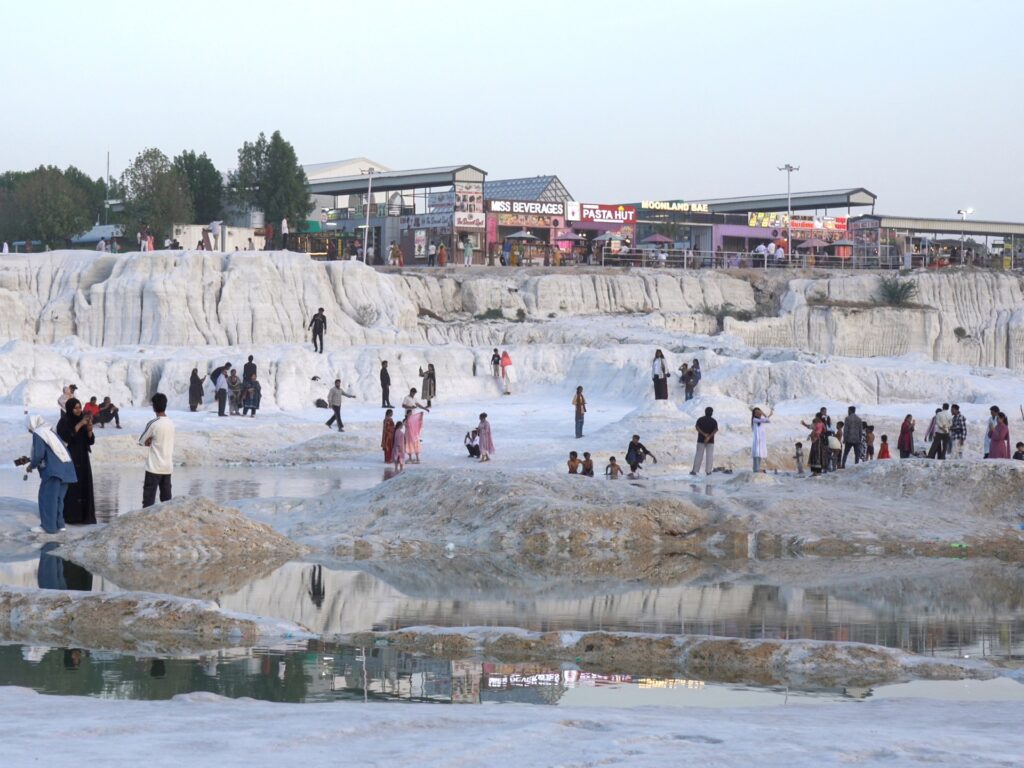
In the arid landscape of Rajasthan, India, a unique and surprising tourist attraction has emerged: a vast marble dump yard that locals and visitors have likened to the snowy beauty of Kashmir. This unexpected transformation of a toxic waste site into a bustling tourist spot is both fascinating and concerning.
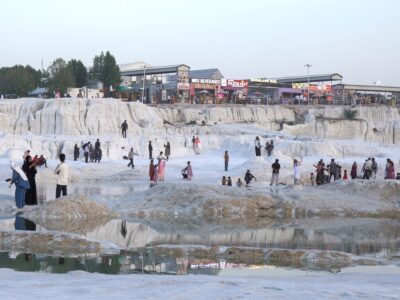
The yard, covered with discarded marble slabs and powder, creates an illusion of snow—a rare sight in Rajasthan’s typically dry and hot climate. The striking white landscape has become a magnet for hundreds of tourists daily, who come to experience the surreal ‘snow-like’ environment and take photographs.
Despite its visual appeal, the site poses significant health hazards to nearby residents. Marble dust, the primary constituent of the dump yard, is known to cause respiratory problems, skin irritations, and other health issues when inhaled over prolonged periods. Local communities have reported rising cases of ailments attributed to prolonged exposure to this toxic environment.
Environmental experts warn that the marble waste, if not managed properly, can lead to soil and water pollution, affecting agriculture and potable water quality in the surrounding areas. The toxic runoff from the dump can seep into groundwater sources, posing long-term risks to the region’s ecosystem.
Tourists, on the other hand, are largely unaware of these dangers, often drawn by social media posts showcasing the surreal white landscape. Many visitors treat the site as a natural snowy wonder, emphasizing its stark contrast against the desert backdrop.
Local authorities face the challenge of balancing the economic benefits of tourism with the pressing need to address the health and environmental impact of the marble waste. Efforts to rehabilitate the site or find safer disposal methods for marble by-products are slowly gaining attention among policymakers and environmental groups.
Community leaders advocate for increased awareness campaigns to educate both tourists and residents about the health risks associated with the marble dump yard. They also call for stricter regulations on marble waste disposal to prevent further damage.
The phenomenon of this ‘fake snow’ spot highlights broader issues in India’s industrial wasteland management, where economic activity often overshadows environmental safety and public health.
Despite its challenges, the marble dump yard’s transformation into a popular tourist destination presents opportunities for sustainable development. By implementing eco-friendly waste management practices and promoting responsible tourism, Rajasthan can protect its residents while capitalizing on this unique attraction.
In conclusion, while the marble dump yard in Rajasthan offers a visually stunning experience reminiscent of Kashmir’s snowy landscapes, it comes with hidden costs that demand urgent attention. The hope remains that awareness, regulatory intervention, and sustainable practices will turn this toxic site into a safe and beneficial resource for the community and visitors alike.