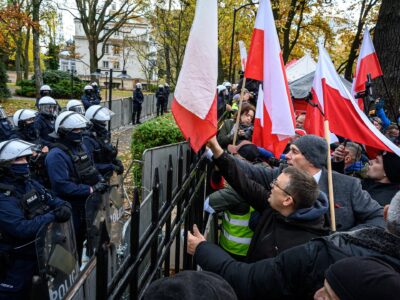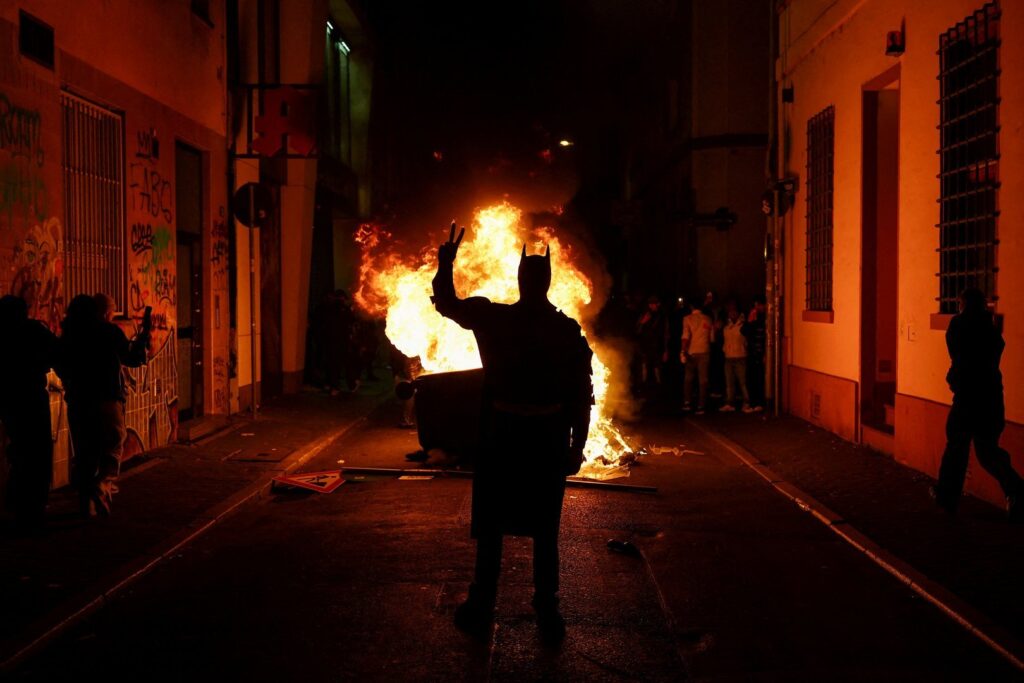
In a wave of unrest that swept across Germany, thousands of young protesters, predominantly from Generation Z, took to the streets in at least 34 cities, leading to violent clashes with police forces. The protests, driven by various social, political, and economic grievances, rapidly escalated beyond peaceful demonstrations.
The movement highlights the rising activism and political engagement among the younger generation in Germany. Demonstrators voiced demands ranging from climate action to social justice and affordable housing, reflecting widespread concerns among youth about the future. The scale of the protests, covering major urban centers and smaller cities alike, underscored the broad base of support and the intensity of discontent.
Security forces responded with measures to control the crowds, including the use of police barricades, water cannons, and arrests. Despite efforts to maintain order, reports indicated several injuries on both sides, as tensions flared and some participants resorted to vandalism and confrontations with law enforcement.
Authorities expressed concerns over the violence, emphasizing the need for dialogue and non-violent expression of dissent. Officials pledged to investigate the incidents thoroughly, aiming to identify instigators who provoked aggression during what began as peaceful protests.
The events pose a significant challenge to German officials tasked with managing the balance between enabling democratic rights to protest and preserving public safety. Analysts observe that these protests could mark a turning point in youth political mobilization in the country, potentially influencing future policy debates and government responses.
As the situation develops, there are calls from civil society and political leaders for constructive engagement with Gen Z activists to address underlying issues fueling unrest. The government faces increasing pressure to respond with substantive measures addressing climate change, social inequality, and economic opportunities for young people.
This surge in activism reflects broader global trends where young generations are increasingly asserting their voices on pressing societal challenges. Germany’s experience could serve as a case study for other nations witnessing similar youth-led movements.
In summary, the violent escalation of Gen Z-led protests in Germany illustrates the complex dynamics at play as a new generation steps forward demanding change. The outcome of these events remains to be seen but will likely have lasting implications for the country’s political landscape and its youth engagement strategies.