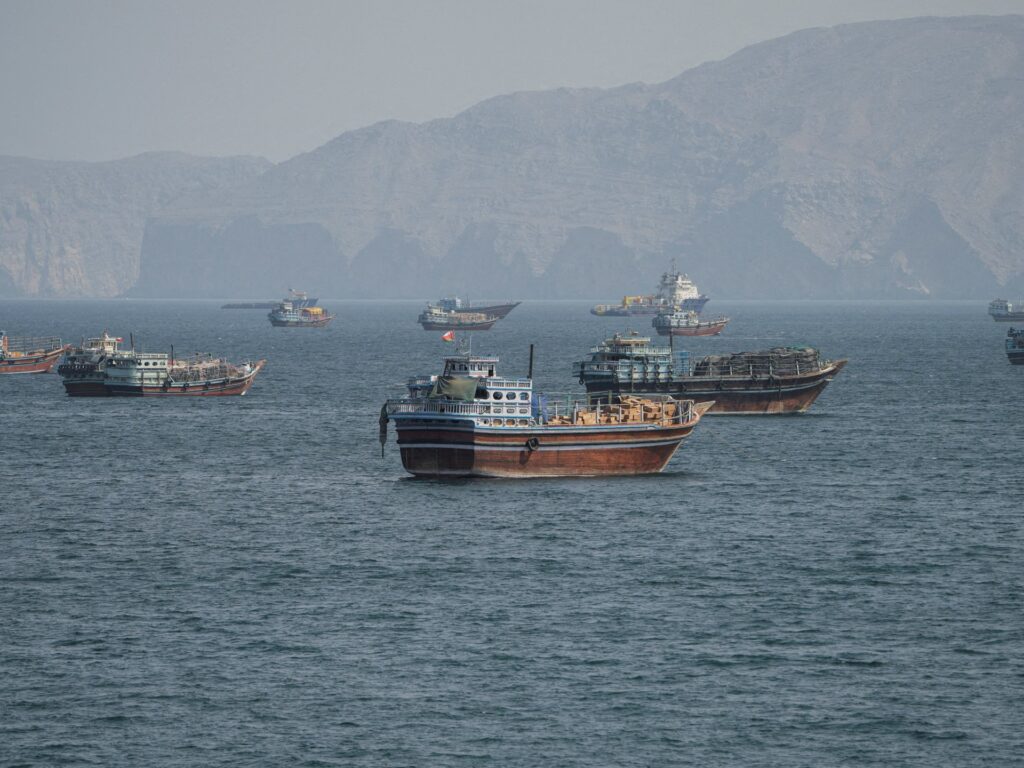
In ongoing geopolitical tensions involving Iran, senior Iranian negotiator Abbas Araghchi has announced that talks are currently underway regarding a two-day plan to reopen the critical Strait of Hormuz. The Strait, a strategic chokepoint for global oil shipments, has been a focal point in regional conflicts and international diplomacy.
Araghchi revealed that Iran has engaged in discussions facilitated by Qatari mediators to establish a framework under which the Strait could be reopened within two days. This plan is contingent on the United States meeting a set of conditions laid out by Iran, highlighting the complex interplay of diplomacy and strategy in the region.
The Strait of Hormuz is a narrow corridor connecting the Persian Gulf with the Gulf of Oman and the Arabian Sea. It serves as a vital route for a significant percentage of the world’s petroleum exports, making its status a matter of international concern.
Iran’s assertion of control and willingness to negotiate a timed plan with external mediators underscores the country’s strategic leverage in the ongoing conflict and negotiations. Qatari involvement is notable for its role as a neutral mediator aiming to de-escalate tensions in the Gulf.
The U.S. conditions, though not publicly detailed, are expected to involve restrictions or assurances on security and navigation freedoms, reflecting Washington’s interests in maintaining open sea lanes for global trade and energy supplies.
The announcement comes amid heightened tensions between Iran and the U.S., with previous incidents involving military presence, sanctions, and regional proxy conflicts exacerbating the situation.
The proposed two-day timeframe for reopening the Strait indicates a willingness on Iran’s part to negotiate pragmatically but also serves as leverage to ensure its demands and conditions are acknowledged and met.
International stakeholders, including European and Asian nations heavily dependent on oil transit through the Strait, are closely watching the developments. They emphasize the importance of stability and continuous navigation through this critical maritime passage.
Experts in international relations see the talks as a critical opportunity to reduce risks of military escalation and to set a precedent for conflict resolution in the volatile Persian Gulf region.
The involvement of Qatar as a mediator might also hint at a broader regional diplomatic initiative aimed at enhancing security frameworks and cooperation among Gulf Cooperation Council (GCC) countries and Iran.
While the situation remains fluid, the willingness of Iran to negotiate signals a possible shift from confrontation to dialogue, albeit under strict terms.
The outcome of these talks could have significant implications for global energy markets, regional security policies, and the broader geopolitical landscape involving Iran, the U.S., and other international actors.
Observers await further details on the specific conditions set by Iran and the response from the United States, anticipating updates from diplomatic channels and official statements.
In summary, the ongoing discussions mediated by Qatar to reopen the Strait of Hormuz within two days represent a critical moment in Iran-U.S. relations. It holds the potential to ease tensions, ensure the free flow of maritime trade, and stabilize a region often marked by volatility and conflict. The international community remains hopeful yet cautious as this delicate negotiation unfolds.