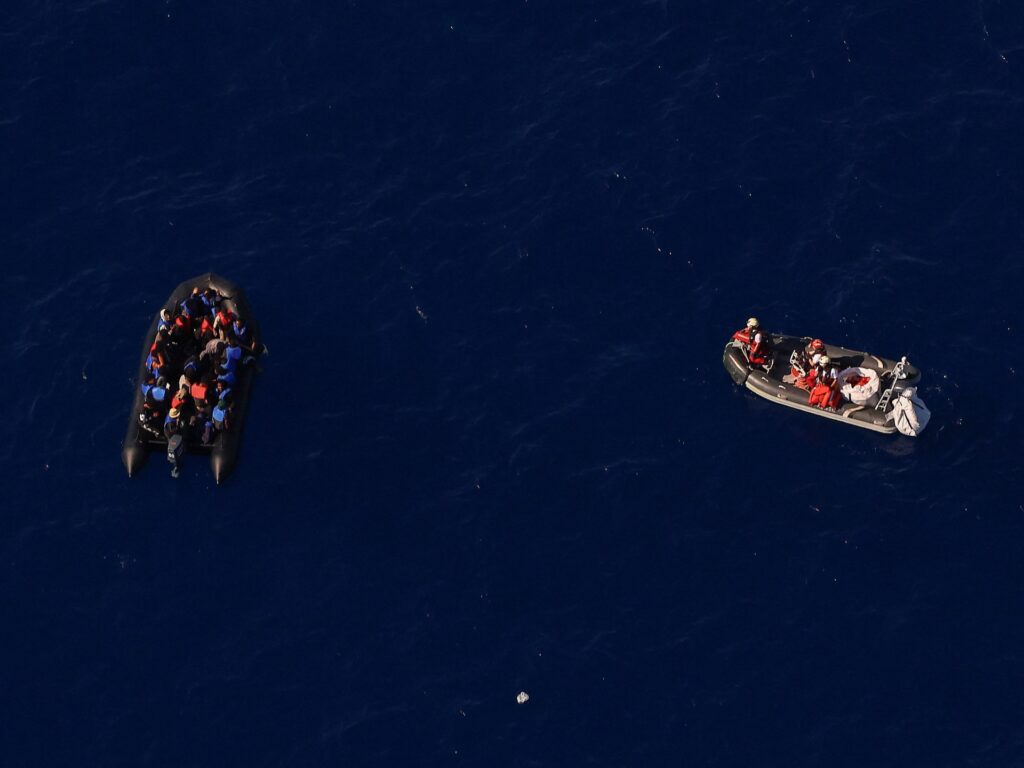
In a recent maritime rescue operation, Dutch authorities successfully rescued 38 people who were found adrift on a rubber boat in Dutch waters. This incident is particularly notable as migrant boats are rarely encountered in this region, raising immediate concerns and questions about the origins and intentions behind the voyage.
The rescue operation was initiated after a distress signal was detected, leading authorities to locate the small rubber boat carrying a significant number of people. The rescued individuals were reportedly in a precarious condition, highlighting the dangers associated with such perilous journeys.
Dutch maritime officials are currently conducting thorough investigations to determine where the boat originated and how it navigated into Dutch territorial waters. The rarity of such occurrences in the Netherlands emphasizes the complexity and unpredictability of migrant movements across Europe.
This event underscores the ongoing challenges European nations face with irregular migration and the risks that desperate migrants are willing to take in search of safety and better opportunities. The use of rubber boats, often overcrowded and not seaworthy, is a recurring phenomenon in migration crises, posing serious threats to the lives of those on board.
Authorities are also assessing the health and safety of the rescued individuals, providing necessary medical assistance, and initiating protocols for their care and potential asylum claims. Coordination between maritime rescue teams, border officials, and humanitarian organizations is critical in managing such situations.
The Netherlands, known for its strict but humanitarian immigration policies, continues to balance border security with the imperative to save lives. This rescue operation will likely prompt further discussions on regional cooperation, migration policies, and the need for improved early warning and rescue capabilities in European waters.
Overall, the rescue of these 38 people highlights the ongoing humanitarian dimension of migration crises, the risks migrants endure, and the responsiveness of Dutch authorities in safeguarding lives despite the unusual circumstances surrounding the incident.