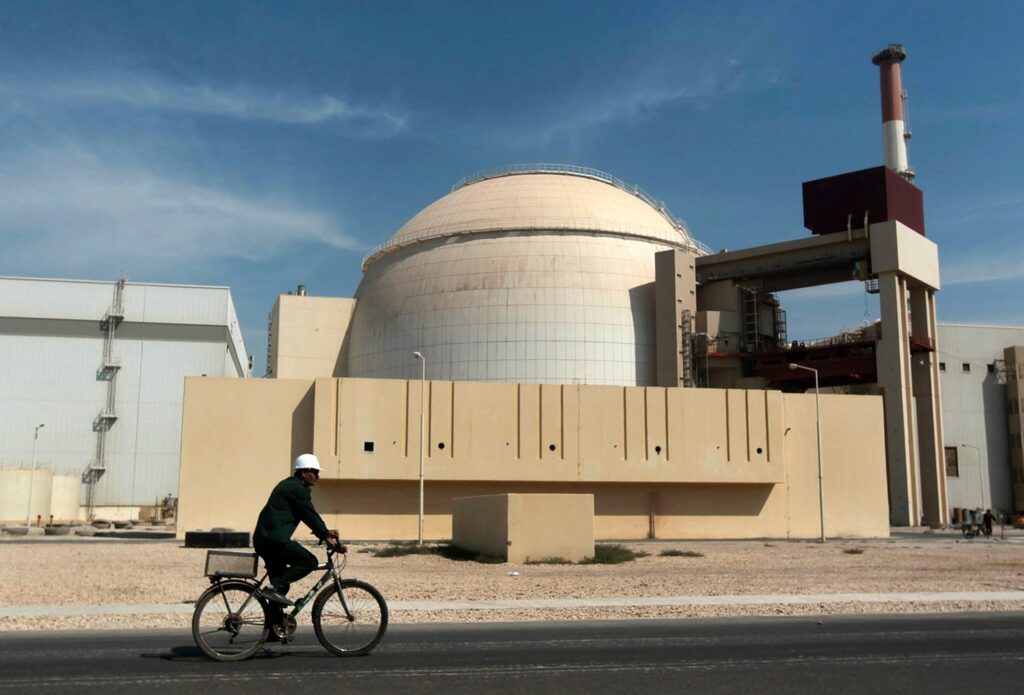
In a recent and significant development, Iranian lawmakers have called for the country’s withdrawal from the Nuclear Non-Proliferation Treaty (NPT). This move has sparked intense debates both within Iran and internationally, raising concerns about the future of regional and global security. The NPT is a landmark international treaty aimed at preventing the spread of nuclear weapons and promoting peaceful uses of nuclear energy. Iran’s potential withdrawal marks a critical juncture, but experts and observers urge caution before jumping to conclusions.
The call for withdrawal did not immediately translate into Iran pursuing nuclear weapons, according to many analysts. Observers point out that halting adherence to the NPT does not necessarily mean Iran will develop or deploy nuclear weapons. The situation is complex and involves a mixture of domestic political dynamics, international diplomacy, and strategic calculations.
Iran has long maintained that its nuclear program is geared towards peaceful purposes, such as generating electricity and medical research. The country’s officials argue that their nuclear activities are under the framework of international law, and withdrawal from the NPT could be more of a strategic response to perceived injustices and pressures from Western nations rather than a direct indication of weaponization intentions.
Internationally, this move has led to apprehension among Western powers and some neighboring countries. The possibility of a nuclear-armed Iran has been a consistent source of tension and unease in the Middle East, a region already fraught with conflicts and rivalries. Critics fear that withdrawal might embolden Iran’s nuclear ambitions, potentially sparking a regional arms race or escalating existing conflicts.
However, some experts encourage a more nuanced understanding. They emphasize continued diplomatic engagement, monitoring, and dialogue. They argue that Iran’s decisions are often reactive to sanctions, diplomatic isolation, and security concerns. Withdrawal from the NPT could be a bargaining chip or a form of political posturing rather than an outright shift toward nuclear armament.
Moreover, the international community’s response will be crucial. Constructive negotiations and avoiding provocative measures could help de-escalate tensions and prevent a potential crisis. The role of institutions like the International Atomic Energy Agency (IAEA) remains vital to ensure transparency and verification in Iran’s nuclear activities.
Domestically, Iranian lawmakers’ call reflects broader political undercurrents and a stance against what some perceive as external interference in Iran’s sovereignty. This sentiment resonates with nationalist and conservative factions within the country, shaping the political narrative around the nuclear issue.
In conclusion, Iran’s call for withdrawal from the NPT presents a complex challenge with significant implications for peace and security. It does not automatically signal an imminent nuclear arms buildup, but it does require vigilant international observation and proactive diplomacy. The path forward depends on careful negotiations, respect for international frameworks, and a commitment to peaceful resolution to avoid war and promote stability in the region and beyond.