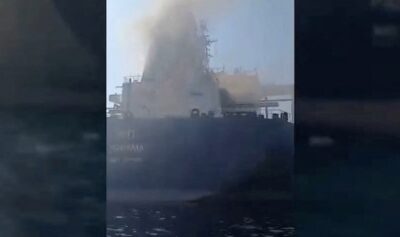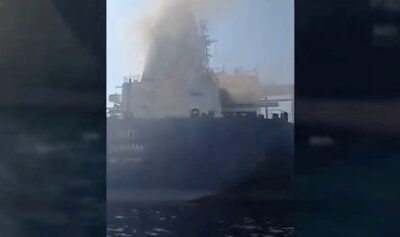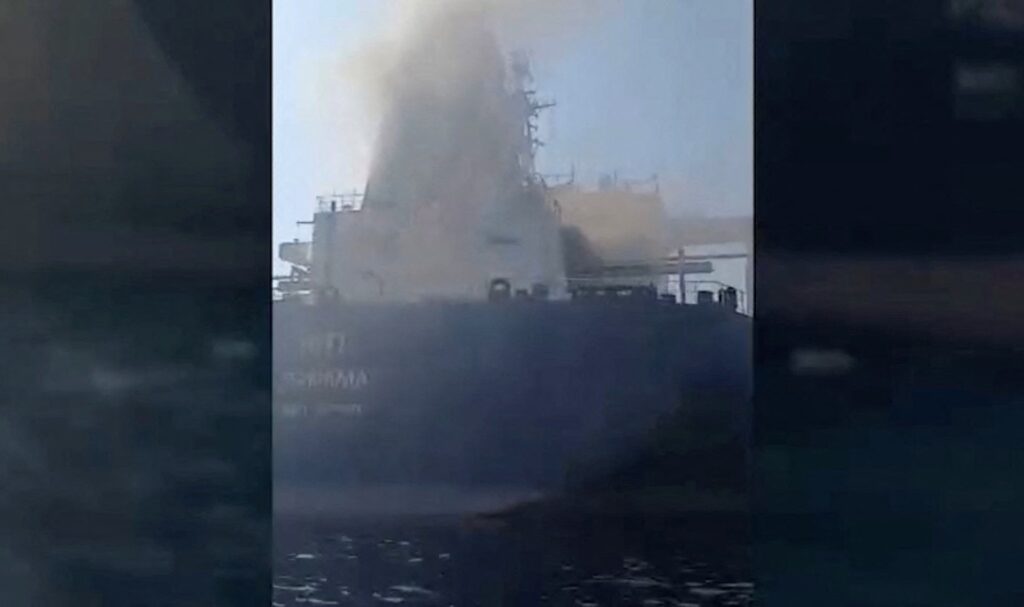
Tensions in the Middle East have escalated as four tankers were reportedly hit in the strategic Strait of Hormuz, a vital chokepoint for global oil transportation. The Islamic Revolutionary Guard Corps (IRGC) of Iran has claimed responsibility for the attacks, marking a significant development in the ongoing regional conflict.
The Strait of Hormuz, a narrow passage between the Persian Gulf and the Gulf of Oman, is critical for oil shipments worldwide, with a significant proportion of the world’s petroleum passing through this corridor. Incidents in this area have historically led to heightened tensions and concerns over global energy security.
According to reports, the strikes involved multiple tankers, escalating fears of a broader conflict. The IRGC’s involvement signals a direct Iranian engagement in military actions amidst rising geopolitical hostilities.
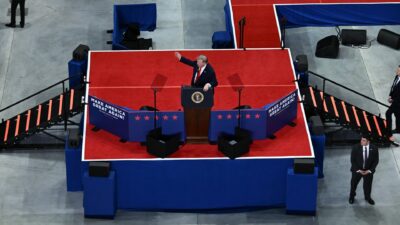
In response to these developments, former U.S. President Donald Trump commented on the unfolding situation, stating that the war with Iran would “get wrapped up soon.” His remarks suggest an anticipation of a resolution or an end to the conflict, although details about potential negotiations or military strategies remain unclear.
The international community has expressed alarm over the attacks, highlighting the risk to commercial shipping and the potential for wider military confrontation. Many nations rely on the safe passage of oil through the Strait of Hormuz, making stability in this region paramount for global economic health.
The attacks follow a series of escalations between Iran and various international actors, with longstanding tensions centered on Iran’s nuclear program, regional influence, and military activities.
Security analysts caution that the recent strikes could provoke retaliatory actions, raising the risk of a dangerous cycle of hostilities. Diplomatic efforts are being urged to de-escalate the situation and prevent further conflict.
The United States and allied countries continue to monitor the situation closely, evaluating their strategic responses while emphasizing the importance of freedom of navigation and protecting commercial shipping lanes.
Economic markets have already started reacting to the news, with oil prices experiencing volatility amid concerns about supply disruptions. The instability in the Strait adds to ongoing uncertainties in global energy markets.
Humanitarian organizations have also voiced concerns over the safety of crew members on the affected tankers and the potential environmental damage from any resulting oil spills.
The attack on the tankers represents a dangerous chapter in the contentious relationship between Iran and the West. It underscores the fragility of peace in the region and the high stakes involved in maintaining stability.
As global powers watch closely, the situation remains fluid, with calls for restraint and dialogue growing louder to prevent further escalation.
This incident serves as a grim reminder of the complexities of Middle Eastern geopolitics and the profound impact such conflicts can have on global peace and economic stability.