The Democratic Republic of Congo (DR Congo) is grappling with a devastating Ebola outbreak that has resulted in over 5,000 deaths. Authorities in the region are facing immense challenges in containing the virus, as there are no approved treatments or vaccines currently available to effectively combat the disease.
Ebola virus disease (EVD) is a severe and often fatal illness in humans, characterized by fever, vomiting, diarrhea, and hemorrhagic symptoms. The virus spreads through direct contact with bodily fluids of infected individuals or contaminated surfaces.
The outbreak in DR Congo has been particularly severe due to several compounding factors. The affected areas often have limited healthcare infrastructure, making it difficult to provide timely medical interventions and isolate infected patients. Additionally, ongoing conflict in some regions hampers response efforts and further endangers public health initiatives.
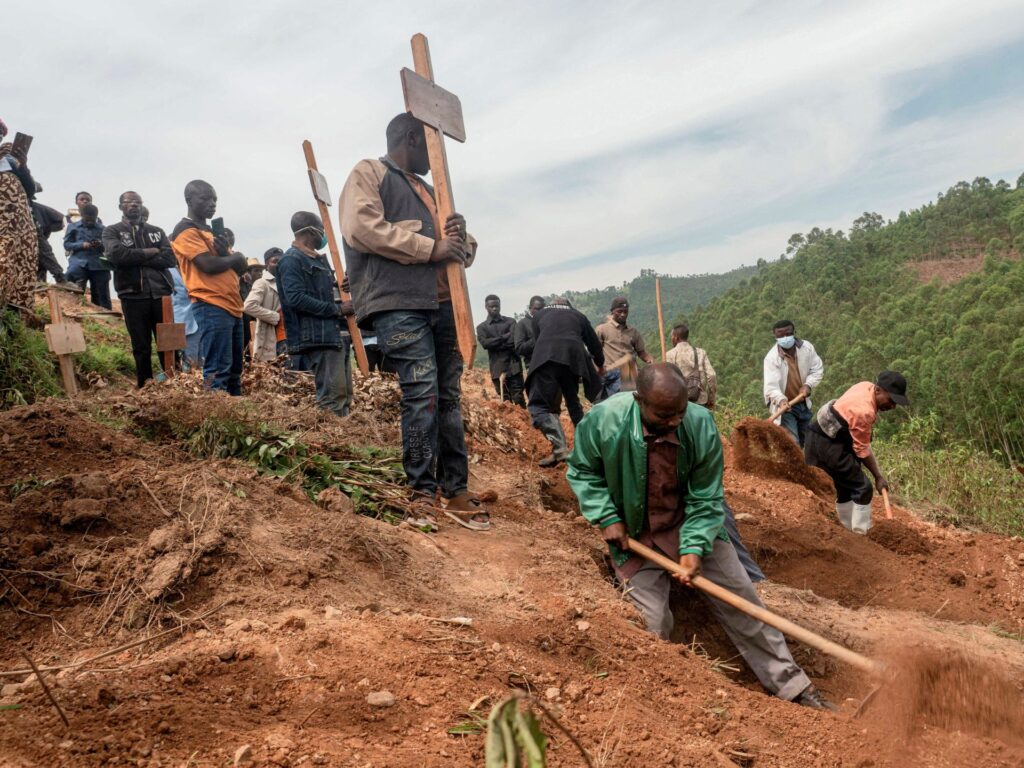
Health authorities are coordinating with international organizations to deploy resources and implement strategies aimed at slowing transmission. These efforts include increased surveillance, community education on hygiene and safe burial practices, and the establishment of treatment centers.
However, the lack of approved vaccines and definitive treatments complicates the situation. Experimental therapies and vaccines are being tested in the affected population under emergency protocols, but widespread access remains limited. This situation underscores the critical need for accelerated research and development in viral hemorrhagic fevers.
The World Health Organization (WHO) and other global health agencies continue to monitor the outbreak closely and provide technical assistance. There is also a significant push to strengthen healthcare systems in the region to better respond to this and future epidemics.
Community engagement is paramount, as misinformation and mistrust can hinder containment measures. Authorities are working to build trust through transparent communication and partnership with local leaders.
The international community is also called upon to increase funding for health security and epidemic preparedness, as the Ebola outbreak in DR Congo is a stark reminder of our collective vulnerability to emerging infectious diseases.
As the death toll rises, the situation remains critical. Efforts to contain the virus must be intensified to prevent further loss of life and to protect global health.
The DR Congo Ebola outbreak highlights the devastating impact of infectious diseases in resource-limited settings and the importance of global solidarity in addressing such public health emergencies.