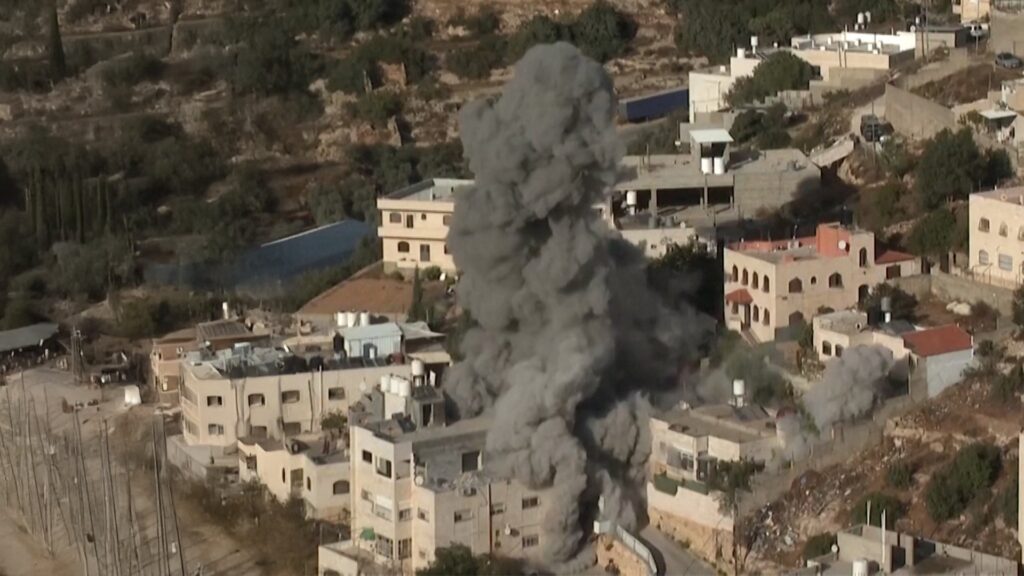
Israeli forces have recently carried out the demolition of homes belonging to two Palestinians accused of killing two Israeli soldiers in Hebron last week. This action is part of a broader policy used by Israeli authorities to deter attacks by imposing collective punishment on the families of those accused of carrying out or being involved in attacks against Israelis. The demolitions have sparked significant reactions both locally and internationally, with supporters arguing it as a necessary security measure and critics condemning it as a violation of human rights and a tactic that exacerbates tensions in the region.
The incident in Hebron that led to the demolitions involved the killing of two Israeli soldiers, which heightened tensions and led Israeli forces to take swift punitive action. Hebron, a flashpoint city in the Israeli-Palestinian conflict, has frequently seen similar measures implemented following attacks.
Home demolitions in the West Bank and East Jerusalem have been a long-standing practice by Israel. Authorities contend that demolishing the family homes of attackers acts as a deterrent for future violence. However, human rights groups and international organizations argue that this form of collective punishment is illegal under international law, as it punishes individuals who were not directly involved in the attacks.
The demolition of these homes has heightened fear and anger among Palestinian communities, which often view such measures as aggressive and unjust punitive actions. Many Palestinians argue that these demolitions contribute to a cycle of violence and resentment, undermining prospects for peace and coexistence.
On the Israeli side, officials emphasize the need for strong security measures to protect civilians and maintain order amidst ongoing threats. They argue that dismantling the infrastructure associated with attackers sends a strong message to potential assailants.
International reactions have been mixed, with some countries and human rights organizations calling on Israel to halt the practice of home demolitions, noting the repercussions for innocent family members and the broader impact on regional stability. Others acknowledge Israel’s security concerns but stress the importance of adhering to international humanitarian standards.
The Israeli-Palestinian conflict remains deeply entrenched, with violent episodes and security measures such as home demolitions underscoring the profound divisions and challenges in reaching a lasting peace agreement. The recent incident in Hebron and subsequent demolitions highlight the ongoing cycle of violence and retribution that complicates efforts for reconciliation.
This event also draws attention to the need for renewed dialogue and efforts to address the root causes of the conflict, including political, social, and economic grievances. Without meaningful progress on these fronts, the cycle of violence and punitive measures is likely to continue, affecting countless families and communities in the region.
As tensions persist, the international community continues to monitor developments closely, urging restraint from all parties and a renewed commitment to peaceful resolution.
The demolitions in Hebron serve as a stark reminder of the human cost of the conflict, reflecting the difficult balance between security imperatives and humanitarian concerns. Moving forward, it remains critical for all stakeholders to seek pathways that break the cycle of retaliation and promote sustainable peace in the troubled region.