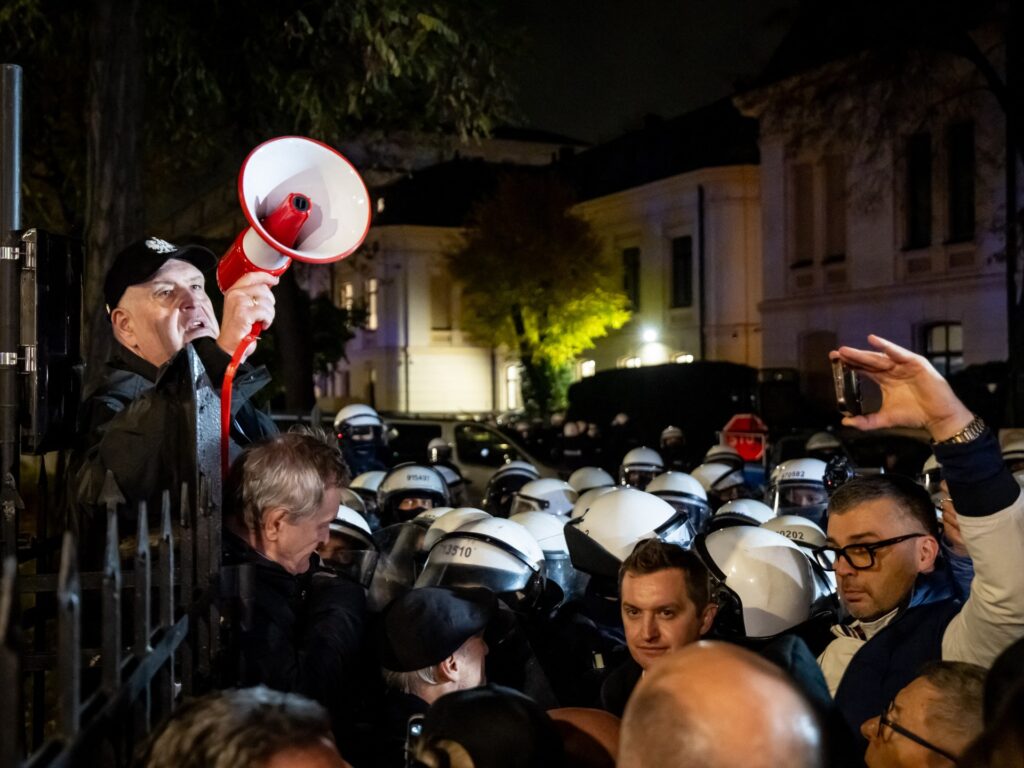
In a dramatic development in Poland, police officers have been deployed to the nation’s top court following the suspension of its head judge. The decision to suspend the judge is part of an ongoing and contentious dispute that centers on allegations of politicization within the Constitutional Tribunal, a conflict dating back to changes implemented under the former government.
The Constitutional Tribunal in Poland, which serves as the highest constitutional authority, has been embroiled in controversy for several years. Critics say that the tribunal has experienced significant politicization, undermining its independence and impartiality. The suspension of the head judge has only intensified these concerns, prompting swift security measures, including the presence of police at the court’s premises.
The tensions stem from reforms pushed by the previous government, which opponents claim sought to place loyalists within the constitutional court, affecting the balance of powers in the nation’s judiciary system. Supporters of the reforms argue that changes were necessary to enhance judicial efficiency and accountability.
The suspended judge has been a key figure in these disputes, often vocal against the earlier political influence attempts. The government’s move to suspend the judge has been perceived by many as a further encroachment on judicial independence, drawing criticism from both domestic authorities and international observers concerned about Poland’s adherence to democratic principles and rule of law.
The deployment of police to the court signifies heightened tensions and a possible escalation in the conflict between the judiciary and the state. Legal experts have expressed worries that such measures could undermine public trust in the legal system and impede the court’s ability to function impartially.
This incident is being closely monitored by the European Union and human rights organizations, given Poland’s status as an EU member state. The ongoing struggle between the judiciary and the government poses significant questions about the future of judicial independence in the country and the broader implications for democracy in the region.
As the situation develops, all eyes remain on the Constitutional Tribunal and the government’s next steps. Calls for dialogue and de-escalation are increasing amidst fears that continued conflict might lead to further destabilization of Poland’s political and judicial institutions. The international community continues to urge respect for the separation of powers and judicial autonomy as cornerstones of democratic governance.
In summary, the suspension of the head judge of Poland’s top court and the subsequent police presence highlight deep-rooted challenges within the country’s constitutional framework. This episode not only sheds light on the ongoing struggle over the politicization of the judiciary but also poses a critical moment for Poland’s commitment to democratic norms and judicial independence moving forward.