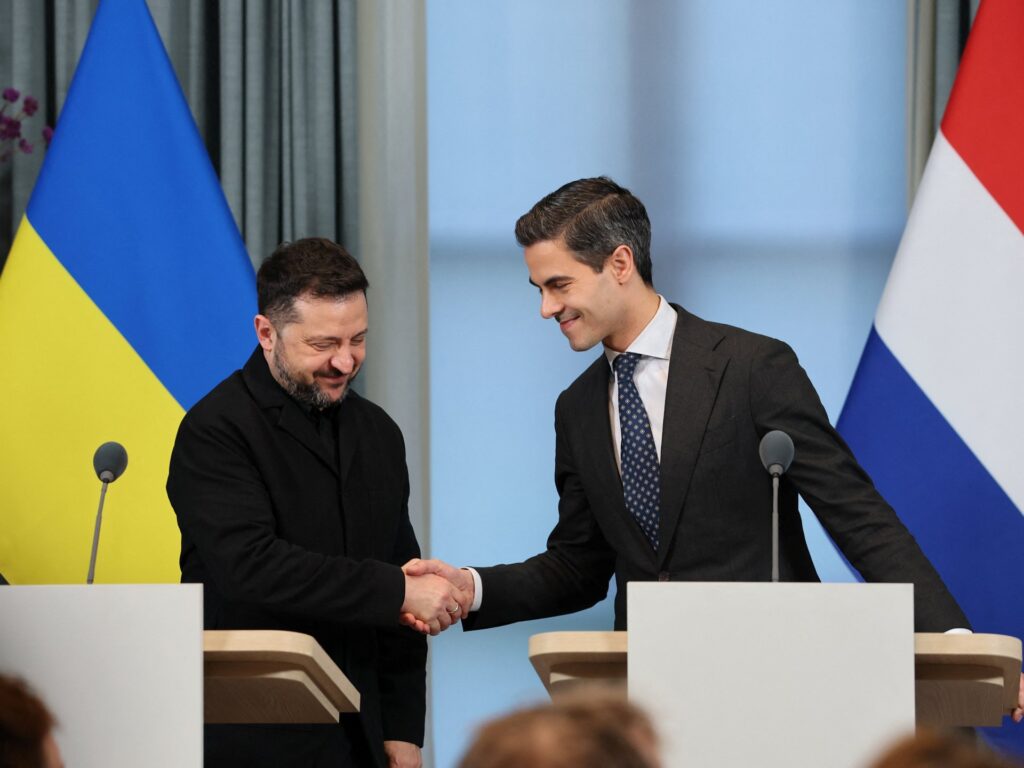
The Kremlin has announced that certain European countries, notably the United Kingdom and the Netherlands, will not be included in the next round of negotiations concerning the conflict in Ukraine. This statement comes amid recent pledges by both the UK and the Netherlands to provide additional military support to Kyiv, signaling increased Western backing for Ukraine in its ongoing struggle.
According to Kremlin officials, the upcoming talks will only involve a limited group of participants, excluding those European nations that have recently intensified their military aid to Ukraine. This development indicates a growing divide between the Kremlin and some Western European governments, which have been vocal in their support for Ukraine’s defense against Russian aggression.
The UK’s commitment includes supplying advanced weaponry and training support to Ukrainian forces, aiming to strengthen Kyiv’s capability to resist further incursions. The Netherlands has likewise announced plans to enhance its military assistance, providing additional equipment and logistical aid to Ukrainian troops.
The Kremlin’s exclusion of these countries from diplomatic discussions is perceived as a direct response to their bolstering of Ukraine’s military capacity. It underscores the heightened tensions and the complexities involved in seeking a diplomatic resolution to the conflict.
Experts suggest that this move by the Kremlin may complicate prospects for a comprehensive peace agreement, as it signals distrust towards those Western allies who are actively supporting Ukraine’s military efforts. The talks, therefore, are likely to be more limited in scope, potentially focusing on participants more acceptable to Moscow.
Meanwhile, the ongoing conflict continues to exact a heavy toll on Ukraine, with casualties mounting and infrastructure suffering extensive damage. Western nations, particularly those pledging additional military aid, maintain that supporting Ukraine is crucial to uphold international law and regional security.
The exclusion of the UK and the Netherlands from the negotiations highlights the challenges faced in balancing diplomatic engagement with the realities of military support and geopolitical interests. Observers are watching closely to see how this dynamic will affect the future course of peace talks and the broader geopolitical landscape in Eastern Europe.
In summary, the Kremlin’s statement excludes certain European nations, specifically the UK and the Netherlands, from the next Ukraine peace discussions in response to their increased military aid to Kyiv. This development reflects the growing polarization between Moscow and key Western countries and poses significant implications for the peace process and regional stability.