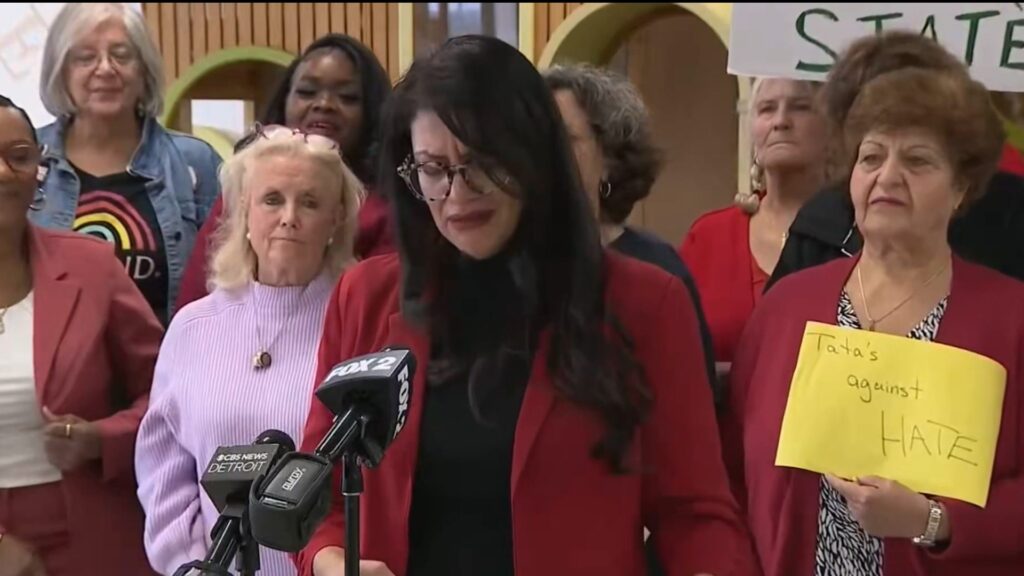
US Congresswoman Rashida Tlaib has publicly condemned the rising tide of anti-Muslim rhetoric observed in the ongoing election campaigns. As one of the first Muslim women elected to the US Congress, Tlaib has been an outspoken advocate for civil rights and inclusivity throughout her career. In a recent statement, she expressed deep concern over the divisive and harmful nature of rhetoric targeting Muslim communities, especially within the charged atmosphere of political campaigning. Tlaib emphasized that such rhetoric not only threatens the safety and dignity of Muslim Americans but also undermines the core values of democracy and mutual respect. She called on political leaders and candidates to reject hate speech and instead promote messages of unity and understanding. Highlighting the dangers of scapegoating minority groups for political gain, Tlaib urged voters to critically assess the language used by candidates and to stand against discrimination in all forms. Her condemnation comes amid heightened scrutiny of election tactics that exploit fear and prejudice, raising questions about the long-term social impact on diverse communities. By speaking out, Rashida Tlaib is reinforcing her commitment to fighting bigotry and fostering a political climate where every American, regardless of religion or background, can participate free from intimidation. The Congresswoman’s comments have sparked conversations across social and traditional media platforms, with many echoing her call for respectful and inclusive political discourse. The statement serves as a reminder of the ongoing challenges faced by Muslim Americans and other minority groups and the vital role of elected officials in safeguarding civil liberties. It also reflects broader national and international concerns about the rise of Islamophobia and the need for proactive measures against hate speech. As the election season continues, Rashida Tlaib’s voice stands as a powerful reminder of the importance of diversity, equity, and inclusion within the American political landscape.