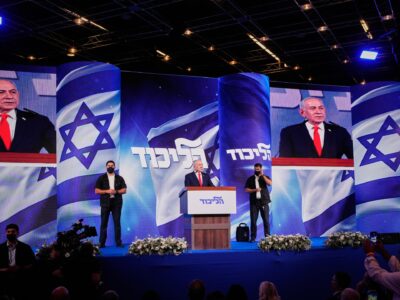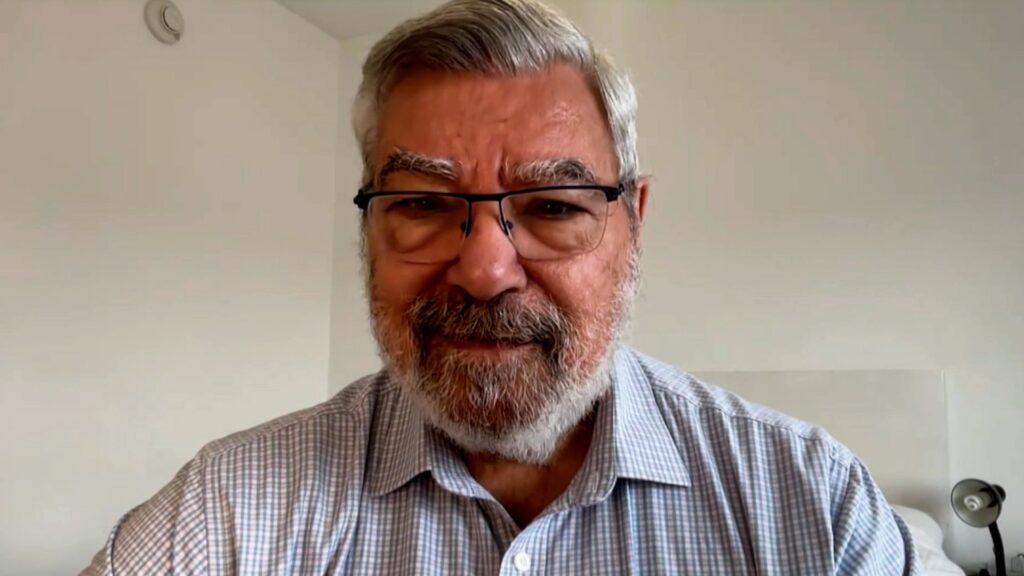
In recent times, there have been notable results indicating a strong Israel-Arab bloc presence. However, Rami Khouri, a respected commentator and analyst, cautions against interpreting this outcome as a sign of meaningful change within Israeli society.
Khouri argues that while the formation or strengthening of an Israel-Arab bloc may appear on the surface as a positive development towards inclusivity and cooperation, it does not necessarily reflect a fundamental shift in the underlying political or societal dynamics of Israel.
He emphasizes that political blocs or coalitions sometimes emerge from strategic interests rather than genuine reconciliation or shifts in societal attitudes. Khouri suggests that the alliance’s strength should not be conflated with advances in rights, social equity, or comprehensive integration of Arab citizens in Israel.
The analyst points out that historical tensions and disparities between Jewish and Arab communities in Israel remain deeply rooted. Despite occasional political collaboration, critical issues such as equality, minority rights, and social justice continue to face significant challenges.
Khouri’s perspective invites observers and policymakers to look beyond electoral results and public posturing. He encourages a critical examination of the policies, social programs, and long-term commitments that truly drive change.
This viewpoint serves as a reminder that political alliances, while potentially important, are only one aspect of complex socio-political landscapes. Genuine transformation requires sustained effort and systemic adjustments that go beyond superficial political victories.
Ultimately, Khouri warns that celebrating strong Israel-Arab blocs without recognizing the deeper realities risks fostering misplaced optimism and ignoring ongoing systemic issues. His analysis underscores the necessity for continued dialogue, advocacy, and grassroots movements aimed at fostering authentic societal progress within Israel.