Three weeks into the siege of Yemen’s third-largest city, Taiz, the humanitarian crisis is deepening with every passing day. Once a bustling urban center, Taiz now finds itself under relentless blockade and conflict that have caused a drastic rise in the cost of living and forced families to survive on the bare essentials.
The siege has effectively cut off access to vital supplies and humanitarian aid, leading to a surge in prices for food and other necessities. Reports indicate that prices have more than doubled since the beginning of the siege, pushing many households into severe poverty and hunger.
In the markets that remain open, scarce goods are being sold at exorbitant prices, causing ordinary citizens to struggle to buy even the most basic items like bread, rice, and cooking oil. The scarcity is not limited to food alone; fuel shortages and disruptions in electricity supply have compounded the hardships, crippling daily life and economic activity.
Families in Taiz are caught in a dire situation where their survival depends on their dwindling resources and resilience. Many have had to reduce their meals or switch to lower-quality food to stretch their supplies. Children, elderly, and the sick are the most vulnerable, suffering from malnutrition and inadequate medical care amid the siege.
Humanitarian organizations have repeatedly called for safe corridors to deliver relief aid, but the ongoing conflict and security concerns have hampered these efforts. The city’s strategic location in Yemen has made it a focal point of military confrontations, making access for aid workers perilous and limited.
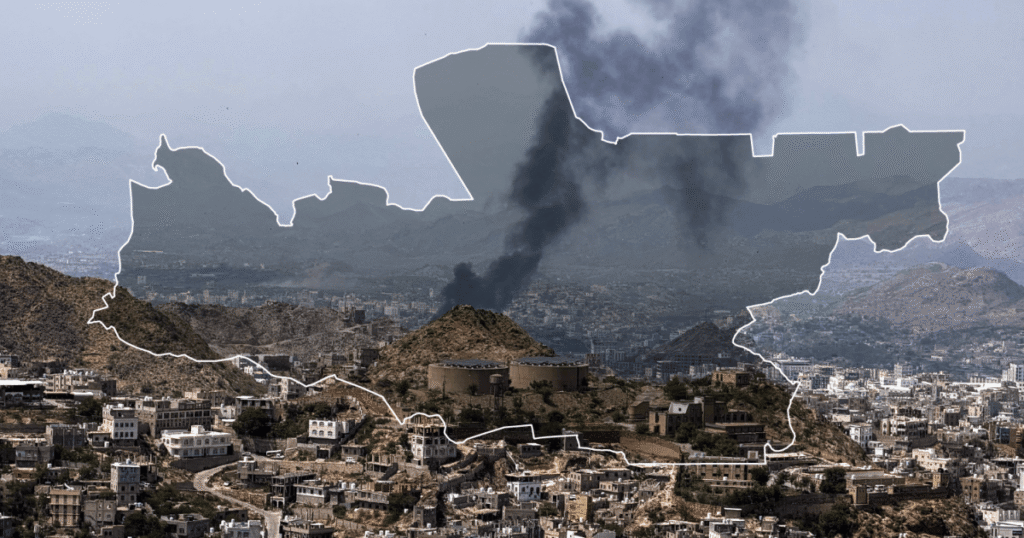
Mapping the siege reveals the complexities on the ground, showing neighborhoods that have borne the brunt of the conflict, where infrastructure has been damaged or destroyed, and where civilians have been displaced internally. These displaced families face additional challenges, finding shelter and food in already strained environments.
The psychological impact on the residents is profound, with constant fear, uncertainty, and trauma taking a toll on mental health. Community networks and local initiatives have emerged to support those in critical need, but the scale of the crisis exceeds the available resources.
As the siege continues, the international community faces mounting pressure to intervene and facilitate humanitarian access. Without urgent action, the situation risks further deterioration with escalating humanitarian consequences.
The price families are paying in Taiz is not just economic but profoundly human, encapsulating the broader suffering endured by millions across Yemen amidst one of the world’s most protracted and devastating conflicts. The story of Taiz serves as a stark reminder of the urgent need for peace and sustained humanitarian relief to alleviate the suffering of innocent civilians caught in conflict.