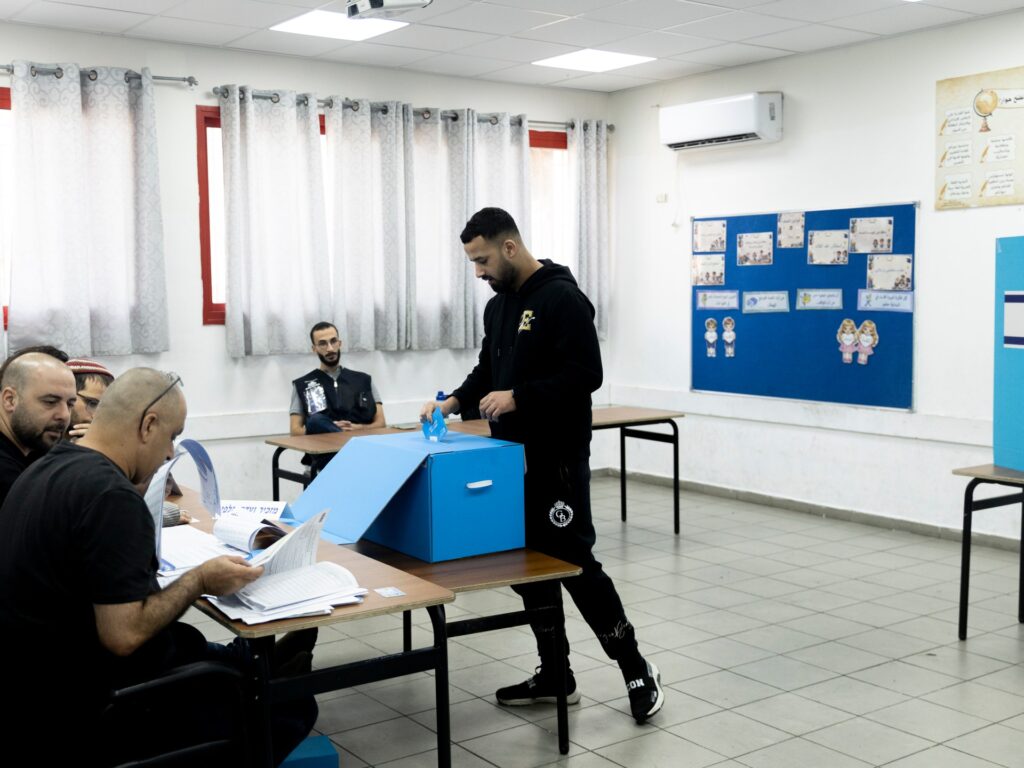
In a significant political development in Israel, Arab parties are projected to secure a record 18 seats in the upcoming Israeli parliamentary election, according to early exit polls. This forecast indicates a historic moment for the Palestinian citizens of Israel, reflecting a surge in political engagement within this community.
One of the notable aspects of this election is the exceptionally high voter turnout among Palestinian citizens of Israel. Early figures suggest that around 80 percent of eligible voters from this demographic participated in the electoral process, marking one of the most active voter engagements in recent years. This turnout underscores a growing political mobilization and an increased desire to influence the policy and national discourse.
The Arab parties, traditionally representing the interests and concerns of Palestinians in Israel, have gained momentum due to various social, economic, and political factors. Their expected record-breaking performance could shift the balance within the Knesset, Israel’s parliament, potentially affecting coalition formations and national policy directions.
Experts suggest that this surge in Arab representation may lead to more inclusive governance, addressing long-standing issues such as equality, minority rights, and economic development. It also reflects broader regional dynamics and the evolving identity politics within Israel.
The Israeli government and major political parties are closely monitoring these developments, as the results may influence future domestic and foreign policies. The election outcome could also encourage greater political participation among other minority groups and enhance the democratic process in Israel.
This election marks a milestone in Israel’s political landscape, demonstrating increased political awareness and participation among minority populations. The record voter turnout and projected success of Arab parties highlight a shift towards greater representation and voice for Palestinian citizens within the country’s democratic framework.
As the final results are awaited, the political implications of this election are expected to resonate beyond Israel, potentially impacting regional politics and international relations. The increased Arab presence in the Knesset may prompt dialogue on coexistence, integration, and conflict resolution, offering new pathways for peace and cooperation in the region.
In conclusion, the 2024 Israeli election stands as a pivotal moment for Arab parties and Palestinian citizens, marking a remarkable chapter in the pursuit of political empowerment and equality. The historic voter turnout and anticipated parliamentary gains signal a dynamic change in Israel’s political arena, promising to shape the nation’s future trajectory.