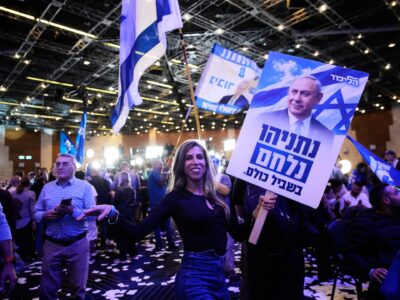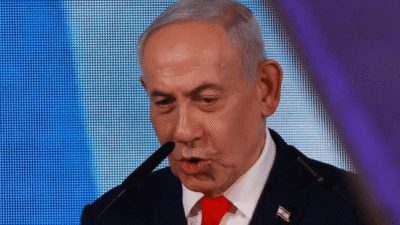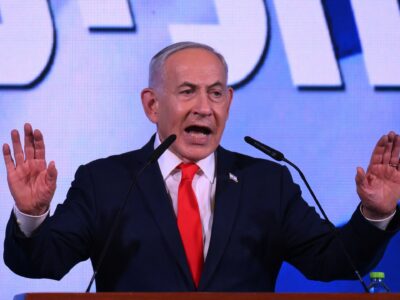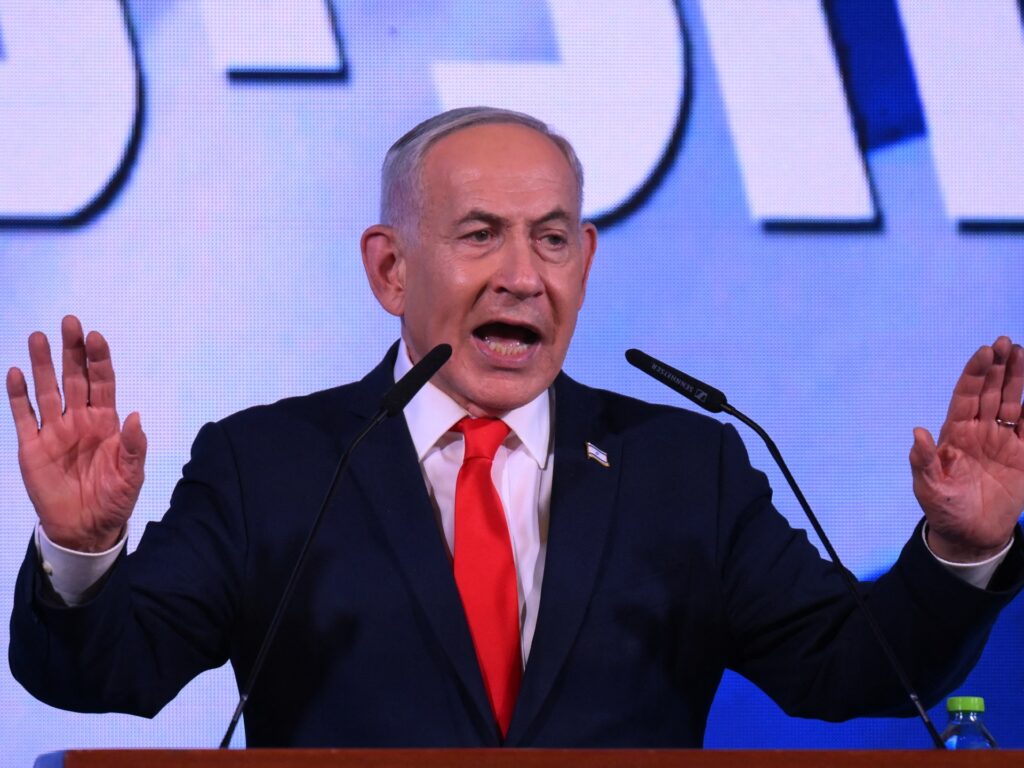
The recent Israeli elections have brought a wave of anticipation and tension as exit polls reveal a closely contested race with no clear outright winner. Prime Minister Benjamin Netanyahu, a dominant figure in Israeli politics, has swiftly called for the formation of a right-wing government. This call comes amid indications from exit polls that Netanyahu’s coalition is tied with the main Jewish-led opposition bloc, highlighting the sharply divided political landscape in Israel.
The election was widely considered a pivotal moment for the country’s future direction. Netanyahu, representing the Likud party, has maintained a strong base of support, particularly among conservative and right-wing voters. His coalition, which includes various right-wing and religious parties, seeks to continue prioritizing security, settlements in the West Bank, and a tough stance against Iran.
On the other side, the main Jewish-led opposition bloc, which encompasses a mix of centrist and left-wing parties, is advocating for different priorities. These include efforts to strengthen democratic institutions, promote economic reforms, and seek renewed efforts for peace negotiations with the Palestinians.
With the exit polls showing a dead heat, the immediate political landscape is one of uncertainty. Neither side appears to have secured the absolute majority needed to form a government independently. This scenario sets the stage for intense negotiations and potential coalition-building efforts over the coming days and weeks.
Netanyahu’s call for a right-wing government signals his intention to rally his traditional allies and possibly bring in smaller factions to secure a parliamentary majority. Given the fragmented nature of Israeli politics, coalition formation is often a complex and protracted process.
Analysts note that the election underscored the deep divisions within Israeli society today – between secular and religious communities, between Jewish and Arab citizens, and between different socio-economic groups. The results also reflect the ongoing challenges the nation faces, including regional security threats, economic pressures, and social cohesion.
International observers are watching the results closely, recognizing Israel’s significant role in Middle Eastern geopolitics. The outcome of these elections could influence future peace prospects in the region, Israel’s relationship with the United States, and its stance toward Iran’s nuclear ambitions.
Voter turnout was robust, reflecting a high level of engagement and the critical nature of this election cycle. Despite the close results, the democratic process was widely praised for its transparency and fairness.
Looking ahead, much depends on the ability of Netanyahu and other political leaders to negotiate a coalition government capable of stability. Failure to do so could lead to further elections, continuing political uncertainty, and potential policy paralysis.
In summary, the Israeli election results depict a deeply split political environment, with Netanyahu poised to lead a right-wing government if coalition agreements can be reached. The coming days will be crucial in determining the country’s political direction and the implications for both domestic policy and regional affairs.