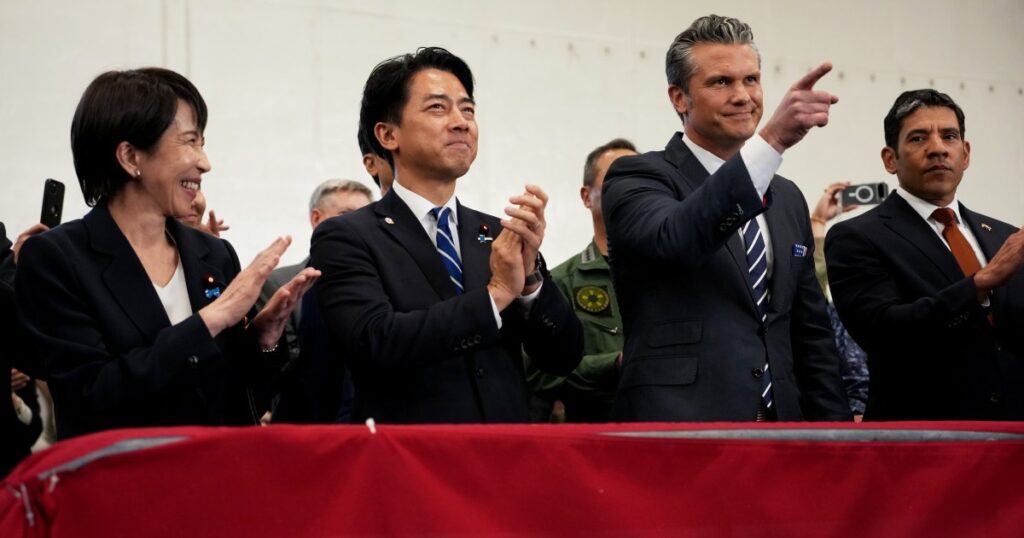
In a rapidly shifting geopolitical landscape, the United States is reinforcing its ties with Asia-Pacific partners amid growing regional unease. Nick Hegseth, a key US envoy, has embarked on a strategic visit to Manila to strengthen the alliance and recalibrate diplomatic relations with countries in the region.
This move comes in the wake of the Iran war and a series of criticisms from former President Donald Trump directed at US allies, events that have prompted Asia-Pacific nations to reconsider their strategic alignments and security strategies. The evolving tensions and uncertainties necessitate a renewed focus on partnership and cooperation to ensure regional stability.
Hegseth’s trip underscores Washington’s commitment to maintaining a strong presence and influence in the Asia-Pacific, a region crucial for trade, security, and geopolitical balance. The visit aims to reassure allies and partners of America’s steadfast support while addressing shared concerns about security threats, economic challenges, and China’s growing assertiveness.
During his stay, Hegseth is expected to engage with top officials, discuss joint military exercises, and explore avenues for enhanced economic collaboration. The goal is to solidify a united front that can effectively respond to external pressures and internal developments that affect peace and prosperity in the region.
Asia-Pacific countries have reacted to recent developments by diversifying their diplomatic and security options, seeking to bolster their autonomy while remaining engaged with the US and other global powers. The recalibration reflects a nuanced approach to international relations as these countries navigate between competing influences and domestic priorities.
The United States recognizes the importance of these evolving dynamics and aims to adapt its foreign policy accordingly. By fostering stronger ties through diplomatic visits like Hegseth’s, Washington hopes to sustain its role as a reliable partner in the Asia-Pacific.
This visit also highlights the broader context of US foreign policy challenges, including the need to balance commitments across multiple regions while managing complex relationships with allies and adversaries alike. The Asia-Pacific remains a critical arena where the US seeks to assert leadership and promote a rules-based international order.
In conclusion, Hegseth’s mission to Manila is a timely effort to shore up US relations with Asia-Pacific countries amid uncertain geopolitical currents. It marks a proactive step towards ensuring stability, security, and cooperation in a region pivotal to global peace and economic vitality.