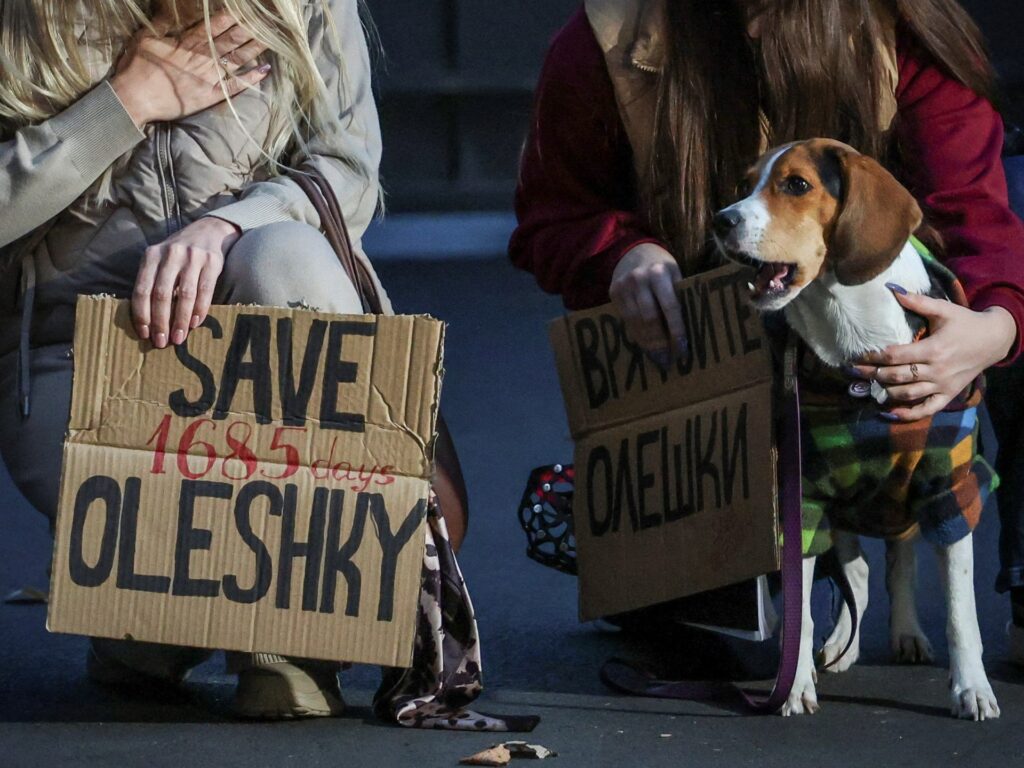
The recent ceasefire between Russian and Ukrainian forces in Oleshky has become a focal point of international attention, not only because of the fragile peace it represents but also due to the unexpected diplomatic contention it has ignited. At the heart of the dispute are competing claims over who brokered the ceasefire—a key move towards reducing hostilities in the war-torn region.
Two prominent figures have stepped into the spotlight with contrasting narratives. Melania Trump, former First Lady of the United States, is reportedly taking credit for facilitating the negotiations that led to the ceasefire. Meanwhile, the Vatican, through statements attributed to the Pope, asserts its role in mediating between the conflicting parties.
This clash of claims has escalated tensions between the White House and the Vatican, reflecting a rare diplomatic rift. Officials from both sides have issued statements affirming their contributions to ending the violence in Oleshky, but these assertions have only fueled confusion about the truth behind the ceasefire process.
Experts suggest that the involvement of both parties might reflect the complex interplay of personal diplomacy, religious influence, and political leverage in conflict resolution. Melania Trump’s purported involvement is seen by some as an extension of soft diplomacy beyond traditional government channels, leveraging her global recognition and personal networks.
On the other hand, the Vatican’s participation underscores the Church’s ongoing role as a moral authority and mediator in international conflicts, often appealing to shared humanity and ethical considerations to bridge divides.
The ceasefire itself represents a critical, albeit tentative, step in what has been a devastating conflict since February 2022. Oleshky, situated in southern Ukraine, has witnessed significant military activity, and any reduction in violence there offers a glimpse of hope for civilians caught in the crossfire.
Both sides agree on the humanitarian importance of the ceasefire, but the dispute over credit may complicate future negotiations and international cooperation. Diplomatic analysts warn that public conflicts between influential parties involved in peacemaking efforts risk undermining trust among negotiators and the conflicting nations.
The White House has yet to provide detailed evidence supporting Melania Trump’s role, while the Vatican’s communications emphasize the Pope’s long-standing commitment to peace but stop short of detailing specific mediation efforts in Oleshky.
The media and international observers continue to scrutinize the situation, seeking clarity amid the competing narratives. Meanwhile, local Ukrainian authorities have cautiously welcomed the ceasefire, focusing on the immediate benefits of reduced hostilities to protect civilian lives.
Ultimately, the ceasefire in Oleshky is a complex mosaic of diplomatic efforts, with multiple actors playing parts in the fragile peace process. The competing claims between Melania Trump and the Pope highlight how soft power, religion, and diplomacy intersect in modern conflict resolution.
As the situation evolves, the international community watches closely, hopeful that the ceasefire can be maintained and expanded, and that the focus remains on achieving lasting peace rather than political posturing over credit. The next steps will likely involve more transparent coordination among diplomats, religious leaders, and international organizations to strengthen the ceasefire and address the broader conflict’s root causes.
In conclusion, whether brokered by Melania Trump, the Pope, or a combination of efforts, the Oleshky ceasefire marks a hopeful point in a long and challenging conflict. Navigating the tensions sparked by competing claims will require diplomatic finesse to ensure that peace efforts are not derailed by disputes over recognition. The world watches as these influential figures and their respective institutions work toward sustaining and building on the hard-won ceasefire in Oleshky.